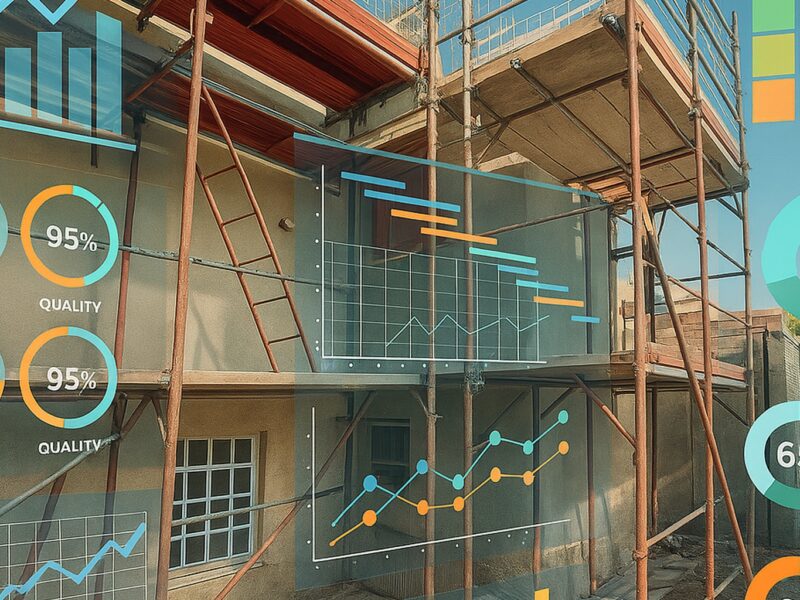
In managing a complex project, the monitoring and control phase represents one of the most delicate and decisive moments. While planning serves as the strategic compass guiding objectives, timelines, and resources, monitoring and control are the operational tools that allow for course verification, correction of any deviations, and ensuring the project remains aligned with the set objectives.
Without a structured control system, even the most meticulous planning risks being ineffective. Monitoring allows for real-time data collection, comparison with forecasts, and timely identification of discrepancies; control, on the other hand, translates this information into corrective actions, preserving quality, timelines, and costs. The integration of these two processes thus becomes the prerequisite for ensuring consistency, sustainability, and resource optimization throughout the project lifecycle.
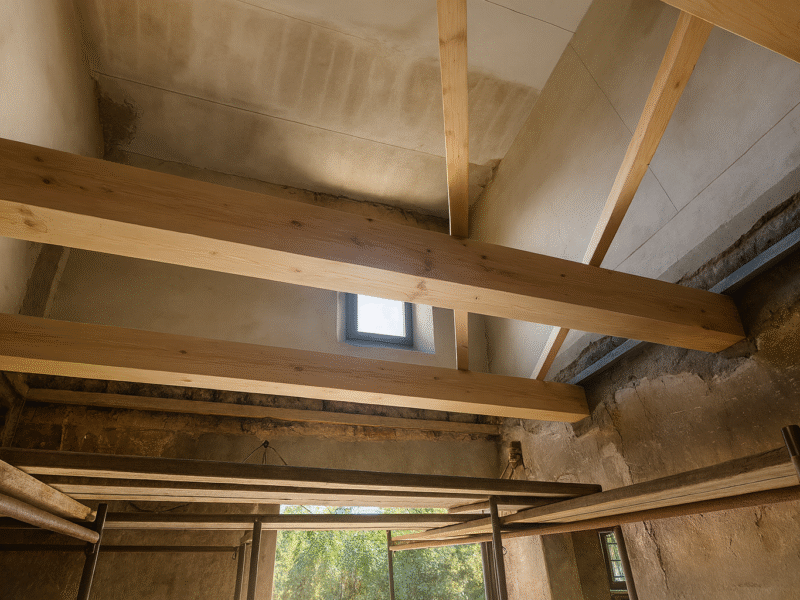
The main objectives of a monitoring and control system can be summarized into five key areas:
Monitoring and control cover various dimensions, each with specific methodologies and tools:


Monitoring and control utilize methodological and technological tools that enhance their effectiveness and precision:
Monitoring and control is not a process confined to the project team but actively involves stakeholders. Data transparency and the ability to share periodic reports reduce conflicts, improve trust, and facilitate collaboration. In this sense, clear and accessible reporting tools (weekly reports, interactive dashboards, periodic meetings) are essential to ensure a constant flow of information.
Impacts on project phases
The results of the CBA have repercussions on all phases of integrated project management:
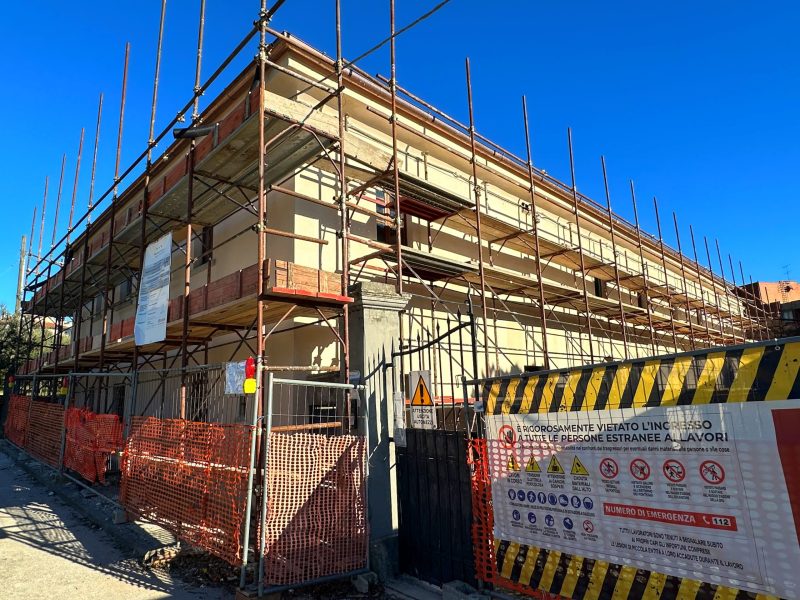
An effective monitoring and control system produces tangible benefits:
Monitoring and control constitute the beating heart of integrated project management. While planning and design chart the direction, monitoring and control ensure that the course is adhered to and that any deviations are managed promptly and effectively.
A structured approach based on established methodologies, supported by advanced digital tools, allows for risk reduction, increased efficiency, and overall project quality improvement.
In an increasingly complex and dynamic context, the ability to monitor and control in an integrated manner represents a critical success factor, capable of transforming a project plan into a concrete, consistent, and sustainable outcome.