
In the field of project management, the preparation of a master plan and accurate planning represents a strategic phase, capable of guiding and coordinating the entire life cycle of a project. The master plan is not just a tool for spatial representation, but a methodological and decision-making document that integrates objectives, constraints, strategies, and resources into a unified and shared vision.
A project, especially when characterized by high technical, organizational, and territorial complexity, requires a framework to guide its development and ensure coherence. In this sense, the master plan and planning become the reference “maps” to ensure integration between architecture, engineering, economics, and the environment. They allow a strategic vision to be transformed into a concrete operational path, managing time, costs, and quality.

The master plan can be defined as the synthesis and coordination tool that outlines the development of a complex project in an organized manner, especially when it involves multiple functional components, physical spaces, and technical disciplines. Its primary function is to:
The master plan thus acts as a governance tool, capable of ensuring that every design decision is consistent with the general objectives and the reference context.
Project planning, closely linked to the master plan, is the operational process that translates the strategic vision into a set of sequenced and monitorable activities. It includes:
Planning is not limited to a temporal sequence but represents a dynamic process capable of coordinating the technical, economic, and organizational dimensions.


Although distinct, the master plan and planning are closely interconnected. The master plan provides the strategic framework, while planning constitutes the operational declination. Without a master plan, planning risks lacking overall coherence; without planning, the master plan would remain a theoretical document devoid of executive concreteness.
The integration between the two levels allows for:
The development of master plans and planning today relies on advanced digital tools, which enhance their effectiveness and precision:
These tools strengthen the link between strategic analysis and operations, improving control over key project parameters.


The adoption of a well-structured master plan and detailed planning produces numerous advantages:
A solid master plan and well-constructed planning positively impact all phases of the project:
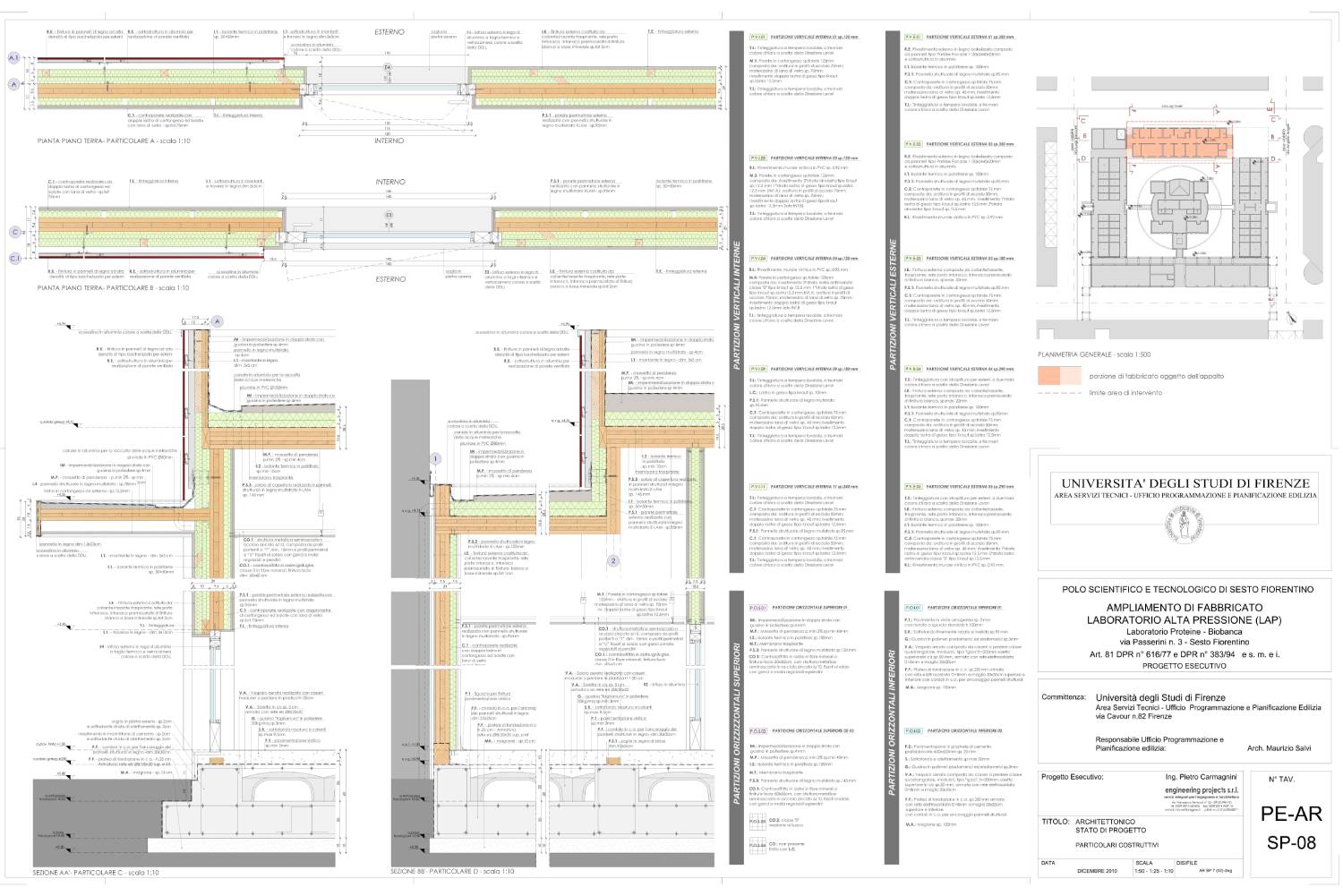

The master plan and project planning constitute the pillars of integrated project management. The former provides the strategic vision, while the latter translates its contents into concrete, monitorable, and measurable actions.
Their combination allows complex ideas to be transformed into achievable paths, reducing risks, optimizing time and costs, and ensuring alignment with general objectives.
In a context characterized by increasing technical, regulatory, and environmental complexity, the quality of the master plan and the solidity of planning become determining factors for the success and sustainability of the project.