
In the contemporary construction landscape, characterized by increasing technical complexity, a multitude of involved parties, and ever-tightening constraints in terms of time, cost, and quality, the single management of the construction phase represents a strategic approach. Centralizing the responsibility for coordinating construction activities, suppliers, and subcontractors not only optimizes processes but also reduces risks, ensures transparency, and creates a coherent and controlled operational flow.
This organizational model fits within the framework of the general contractor, where a single entity assumes the role of the main point of reference for the client and the entire production chain. The uniqueness of management allows for harmonizing the construction phase with the design phase, translating the executive project into the construction site through advanced planning tools, quality control protocols, and project management methodologies.
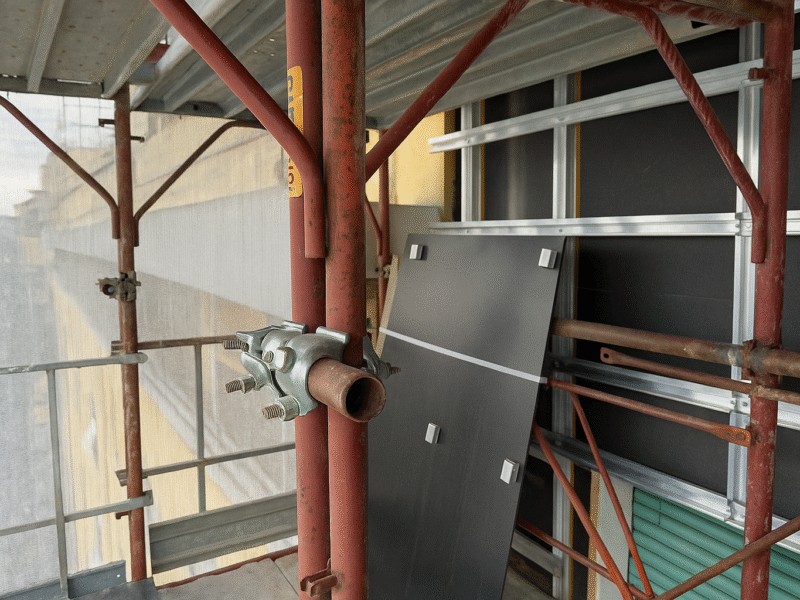
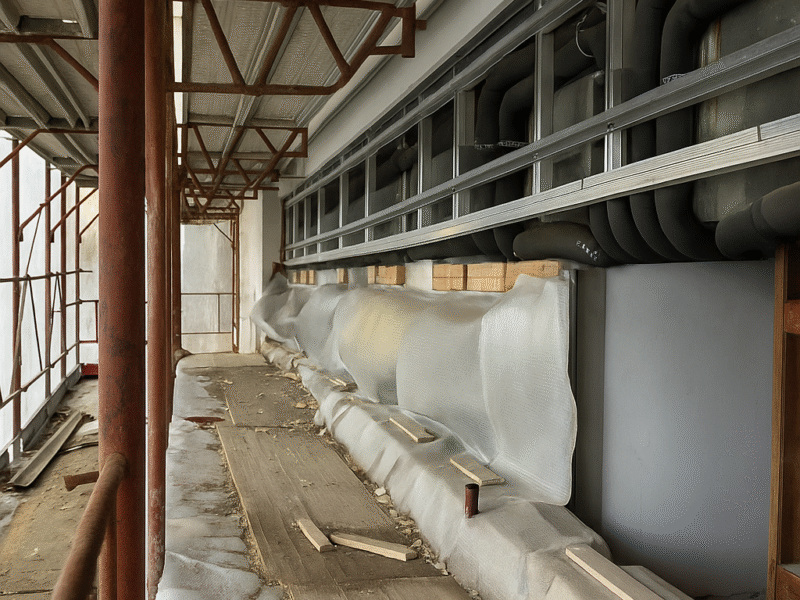

Single management of the construction phase is not limited to construction but integrates throughout the entire project lifecycle:
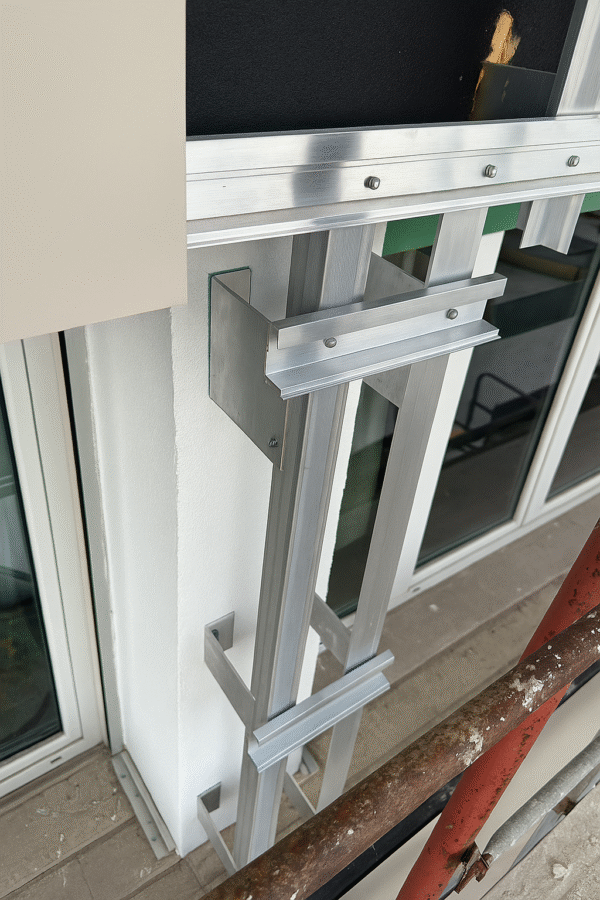

The single management of the construction phase is an organizational model capable of ensuring efficiency, quality, and sustainability in complex construction projects. Through the centralization of responsibilities, the use of digital tools, and the adoption of advanced project management methodologies, it is possible to reduce risks, improve transparency, and maximize the value generated by the entire construction process.
In a sector where punctuality, precision, and safety are decisive factors, single management becomes the key to transforming the complexity of the construction site into an orderly, traceable, and results-oriented process.