Digital design and CAM simulations

From virtual model to construction reality: data, simulations, and integrated processes

Digital transformation has revolutionized the construction sector, introducing tools that enhance design accuracy, reduce errors, and optimize time and costs. Among the most significant technologies are digital design and CAM (Computer-Aided Manufacturing) simulations, which enable a shift from traditional design to an integrated, dynamic, and data-driven approach.

Digital design is not merely the graphic translation of a project but a process that integrates architecture, engineering, and plant design into intelligent three-dimensional models capable of simulating behaviors, performances, and interactions. CAM simulations, on the other hand, serve as the link between design and production, allowing for digital testing of construction processes, operational sequences, and component manufacturing before their physical realization.

This combination ensures risk reduction, quality improvement, and greater efficiency, radically transforming the way construction projects are conceived, developed, and built.
Digital Design: Features and Applications

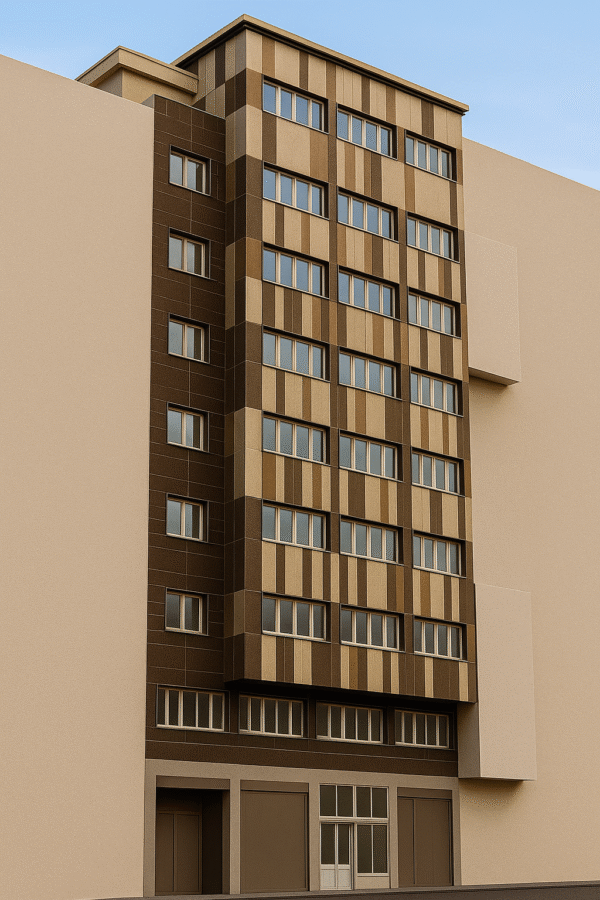
Digital design is based on parametric modeling and the integration of design data into collaborative platforms. The key elements are:

  1. Parametric 3D models
    • Creation of intelligent digital models that integrate geometries, materials, and performances.
    • Ability to quickly modify solutions based on design variables.
  2. Interdisciplinary integration
    • Architecture, structures, and systems are represented in a single shared model.
    • Reduction of design interferences through clash detection functions.
  3. Performance simulations
    • Dynamic energy analyses.
    • Acoustic, lighting, and hygrothermal simulations.
    • Preliminary structural assessments.
  4. Interface with augmented and virtual reality
    • Use of headsets to view the project at full scale.
    • Ability to explore virtual environments and validate design choices with clients.

CAM Simulations in Construction

CAM (Computer-Aided Manufacturing) simulations, historically linked to the manufacturing sector, are now also applied in construction through:
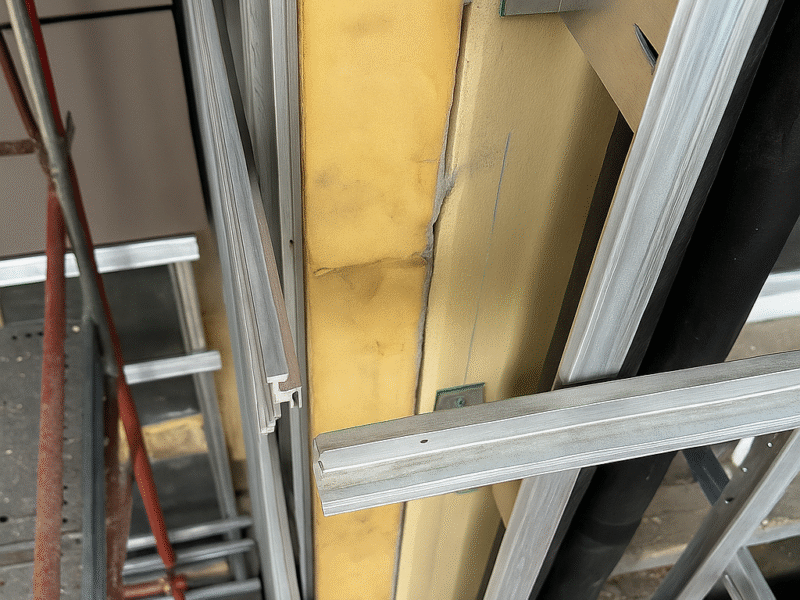
1. Digital prototyping
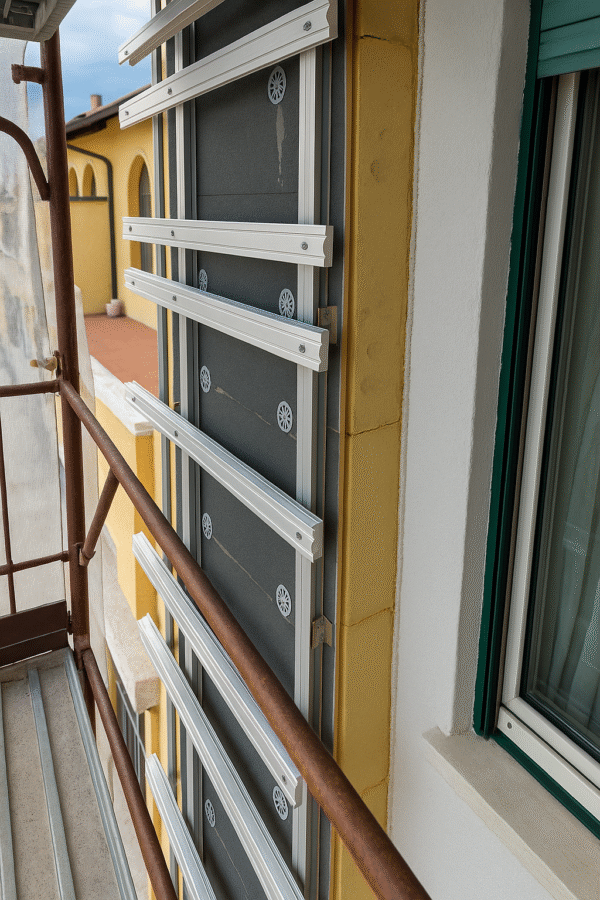
  • Virtual testing of building components (facades, prefabricated elements, joints).
  • Verification of dimensional tolerances and construction compatibility.
  • Simulation of assembly phases and operational sequences.
  • Analysis of machine cycles and optimization of production times.
  • Integration with 3D printing systems and advanced prefabrication.
  • Generation of machine files for laser cutting, CNC milling, or robotics applied to construction.
  • Reduction of material waste through preventive simulations.
  • More precise logistical and site planning.

Benefits of Digital Design and CAM Simulations

1. Design accuracy
  • Updated and consistent digital models reduce the likelihood of errors.
  • Identification of critical issues before the execution phase.
  • Optimization of production and assembly processes.
  • Energy and environmental simulations to reduce consumption and emissions.
  • Less resource waste thanks to digital fabrication control.
  • Greater clarity for clients through realistic visualizations.
  • Improved coordination among the various professional figures involved.
  • Integration with artificial intelligence and machine learning for more accurate predictions.
  • Applications in predictive maintenance through digital twin.

Supporting Tools and Technologies

  • BIM (Building Information Modeling): central platform of digital design, with 4D (time), 5D (cost), and 6D (sustainability) extensions.
  • Integrated CAD/CAM: systems that allow direct transition from digital model to machine file.
  • Augmented Reality (AR) and Virtual Reality (VR): immersive tools to simulate user experiences.
  • IoT Sensors: real-time data collection to integrate CAM simulations with actual site conditions.
  • Digital Twin: dynamic digital replica of the work to monitor performance and usage scenarios.

Operational Integration Phases

  1. Creation of the digital model
    • Definition of geometries and technical parameters.
  2. Performance simulation
    • Energy, acoustic, lighting, and structural verifications.
  3. CAM data generation
    • Translation of the digital model into operational instructions for CNC or robotic machines.
  4. Virtual testing and validation
    • Simulation of construction sequences and correction of any critical issues.
  5. Execution and monitoring
    • Implementation of the digitally controlled production process.
    • Feedback collection to update the model and optimize future phases.

Digital design and CAM simulations represent a methodological revolution for contemporary construction. The ability to integrate design, simulation, and production into a single digital flow allows for the creation of more efficient, sustainable, and safer works, reducing time and costs and improving overall quality.

These technologies, already established in the industrial field, open new perspectives for the construction sector, where accuracy, resilience, and sustainability become essential goals.

Ultimately, the adoption of digital design and CAM simulations is not just a technical evolution but a true cultural transformation in the way of designing and building, capable of generating value throughout the entire lifecycle of the construction work.

Segui i nostri profili social
Privacy Overview

This website uses cookies so that we can provide you with the best user experience possible. Cookie information is stored in your browser and performs functions such as recognising you when you return to our website and helping our team to understand which sections of the website you find most interesting and useful.