Cyber-Physical Systems Integration

The technological heart of smart and interconnected construction

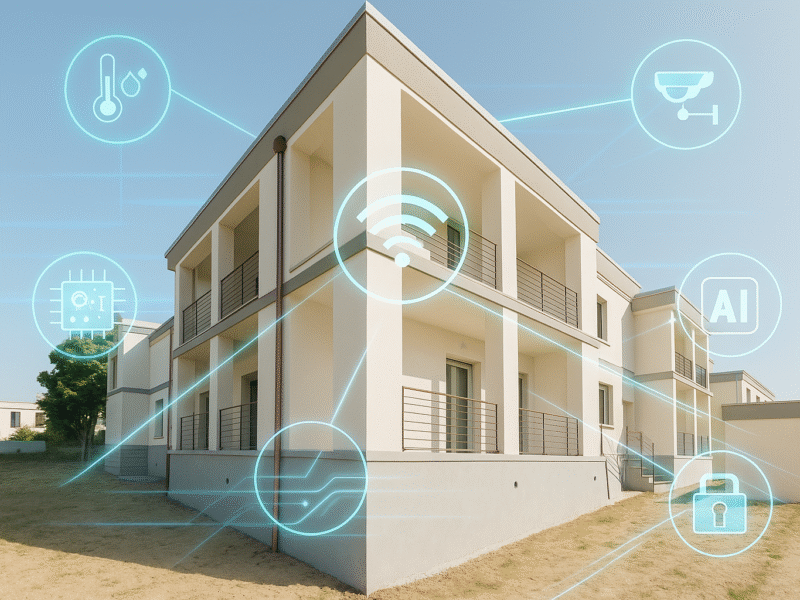
The digital evolution of the construction sector is leading to a profound transformation of design, construction, and management processes. One of the most significant developments is the integration of cyber-physical systems (CPS – Cyber-Physical Systems), which is the synergistic union of physical components (structures, plants, materials) and digital components (sensors, algorithms, control platforms).

These systems enable continuous dialogue between the real and virtual worlds through cycles of monitoring, analysis, and action that enhance the efficiency and resilience of constructions. In construction, the adoption of CPS allows the building to become an “intelligent organism,” capable of perceiving operating conditions, reacting to external stimuli, and automatically optimizing its performance.
Characteristics of cyber-physical systems

  1. Continuous interconnection
    • Sensors and actuators collect real-time data and transmit it to digital platforms.
    • Communication occurs through IoT protocols and highly reliable networks.
  2. Physical-digital integration
    • Virtual models (BIM, digital twin) constantly interact with the real work.
    • Feedback between the two domains allows for dynamic corrections.
  3. Intelligent control
    • Artificial intelligence algorithms analyze data and suggest optimal actions.
    • Actuators implement operational changes automatically.
  4. Autonomy and adaptability
    • CPS systems do not just monitor but actively respond to contextual changes.
    • Capability for self-optimization and self-diagnosis.

Applications in the construction field

1. Intelligent structures
  • Sensors installed on beams, pillars, and foundations monitor deformations, vibrations, and micro-cracks.
  • The collected data feeds digital twin models for predictive analysis.
  • Active actuators (such as digitally controlled seismic dampers) enhance the dynamic response of structures.
  • Smart thermostats, air quality sensors, and real-time controlled ventilation systems.
  • Predictive algorithms that regulate temperature, humidity, and airflow based on space usage.
  • Integration with renewable sources and storage systems to maximize energy self-consumption.
  • Networks of smart cameras with computer vision algorithms to detect intrusions or anomalies.
  • Fire systems integrated with smoke and heat sensors that automatically trigger evacuations or corrective actions.
  • Digital twins integrated with IoT data to monitor the state of the systems in real-time.
  • Predictive maintenance based on historical analysis and operating conditions.
  • User interfaces that allow remote management of complex buildings.
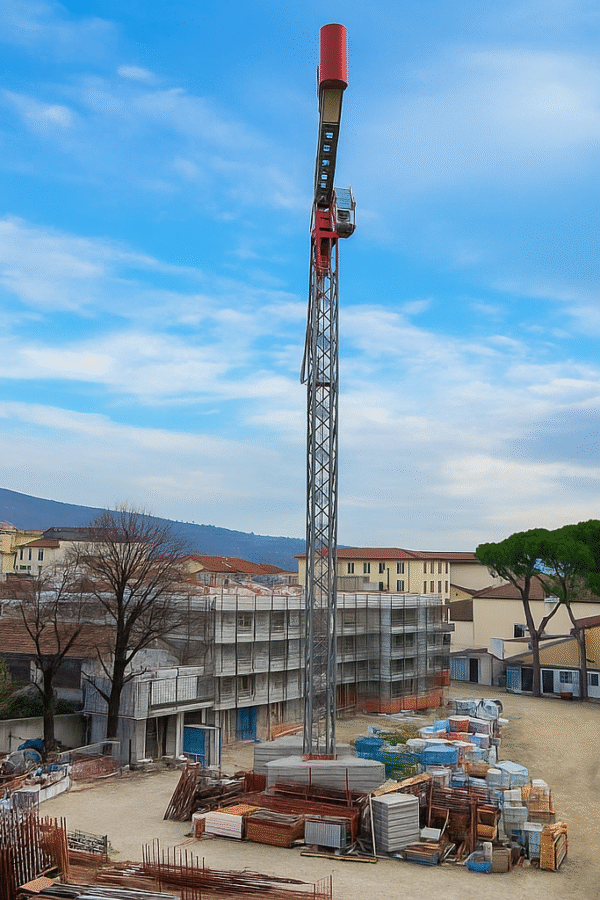
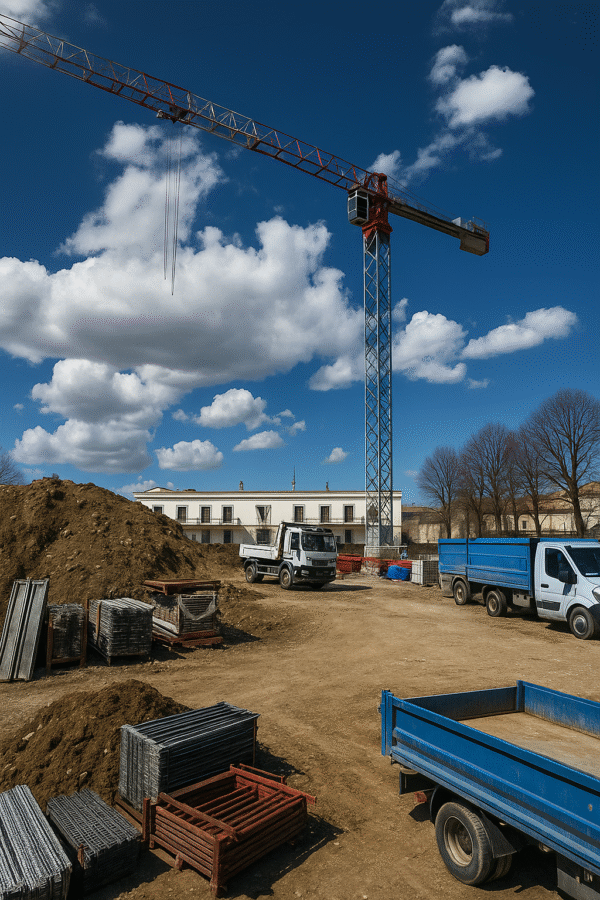
  • Construction sites equipped with sensors and tracking systems to monitor machines and materials.
  • Collaborative robotics integrated with central control systems.
  • Real-time analysis to improve safety and optimize logistical operations.

Enabling technologies

  • Internet of Things (IoT): interconnected sensors and actuators.
  • Digital Twin: dynamic virtual models that faithfully replicate the state of the work.
  • Artificial Intelligence and Machine Learning: predictive and adaptive algorithms for optimization.
  • Cloud and Edge Computing: digital infrastructures for real-time data processing.
  • 5G Communication Systems: fast and reliable transmission of large amounts of data.
  • Robotics and Automation: digitally controlled physical devices for operational execution.

Benefits of CPS integration

1. Operational efficiency
  • Better resource management and waste reduction.
  • Automation of control and regulation operations.
  • Real-time detection of critical conditions.
  • Prevention of incidents through automatic interventions.
  • Constant monitoring of energy and water consumption.
  • Optimization of energy flows to reduce emissions.
  • Extension of the useful life of structures through predictive maintenance.
  • Ability to adapt to extreme environmental conditions.
  • Availability of objective data to support design and management decisions.
  • Integrated dashboards for more transparent governance.

Challenges and critical issues

  • High initial investments for system installation and integration.
  • Cybersecurity: protection of data and infrastructures from cyber attacks.
  • Interoperability between heterogeneous devices and platforms.
  • Specialized skills required to design, implement, and manage complex CPS systems.
  • Data management: volume, velocity, and variety require advanced data management infrastructures.

Integration into the construction lifecycle

Cyber-physical systems can accompany the work in all phases:
  • Design: preparation of digital infrastructures and sensors integrated into the BIM model.
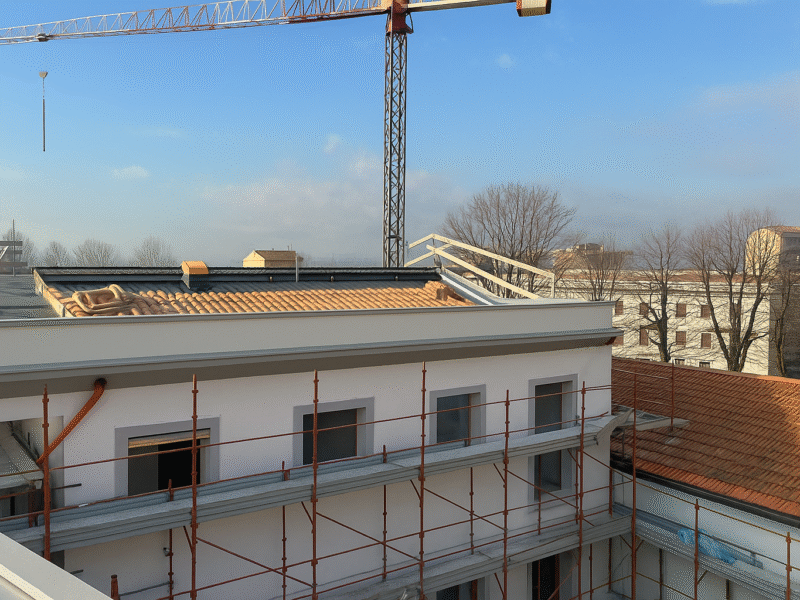
  • Construction: smart construction sites with monitoring and automation.
  • Management: digital twin and predictive maintenance.
  • Decommissioning and reuse: traceability of materials for circular economy strategies.

The integration of cyber-physical systems represents a decisive step towards the construction of the future. By uniting the physical and digital worlds into a single interconnected platform, it is possible to create smarter, more resilient, and efficient buildings and infrastructures.

These systems transform the management of works, reducing costs, increasing safety, and contributing to sustainability goals. The main challenge is no longer technological availability, but the ability to adopt an integrated culture that values data and interdisciplinary collaboration.

Ultimately, CPS pave the way for truly smart construction, where every component of the work becomes part of a connected ecosystem, capable of evolving, adapting, and ensuring value throughout the entire lifecycle.

Segui i nostri profili social
Privacy Overview

This website uses cookies so that we can provide you with the best user experience possible. Cookie information is stored in your browser and performs functions such as recognising you when you return to our website and helping our team to understand which sections of the website you find most interesting and useful.