
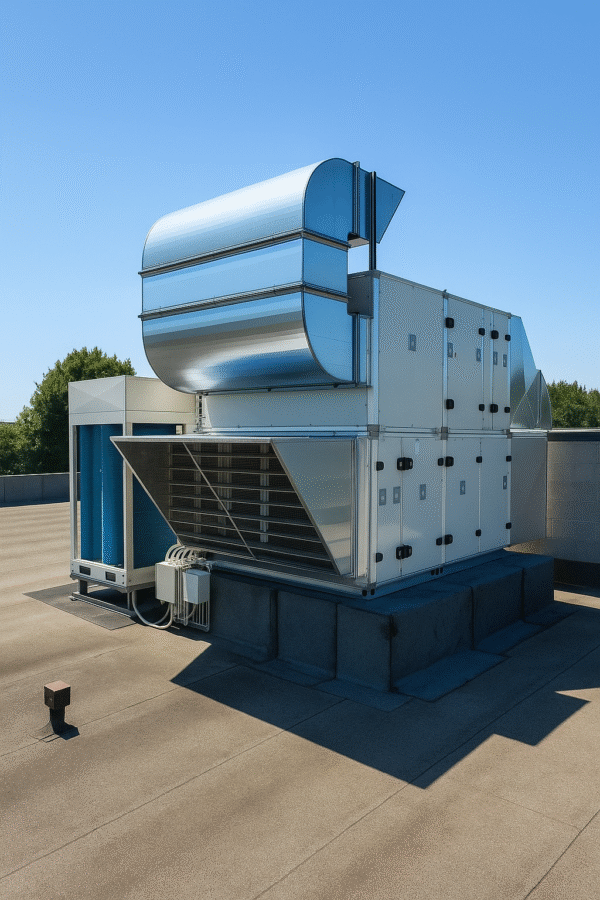
In the contemporary building landscape, characterized by increasing technological complexity and stringent requirements in terms of sustainability, comfort, and safety, plant engineering plays a strategic role. The systems—electrical, mechanical, plumbing, thermal, ventilation, fire protection, and automation—form the functional backbone of every building, determining not only usability but also energy efficiency and the level of innovation.
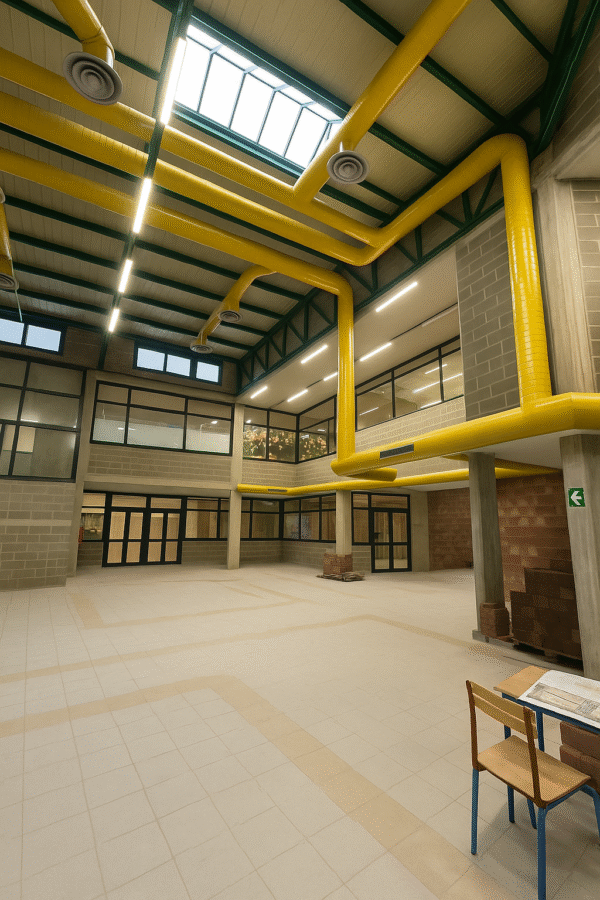
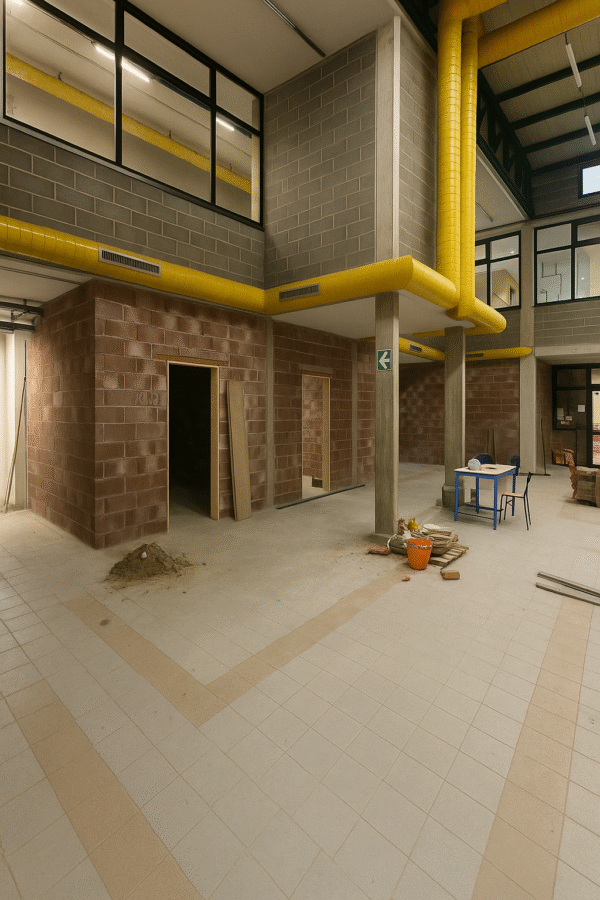
Within the detailed executive design, plant design takes on a particular significance: it is not limited to defining dimensions or functional schemes but translates into an integrated process that must be closely coordinated with architecture and structures. A well-conceived and detailed system avoids interferences, ensures reliability, and minimizes maintenance and management costs.
Plant engineering does not end with the delivery of the project:
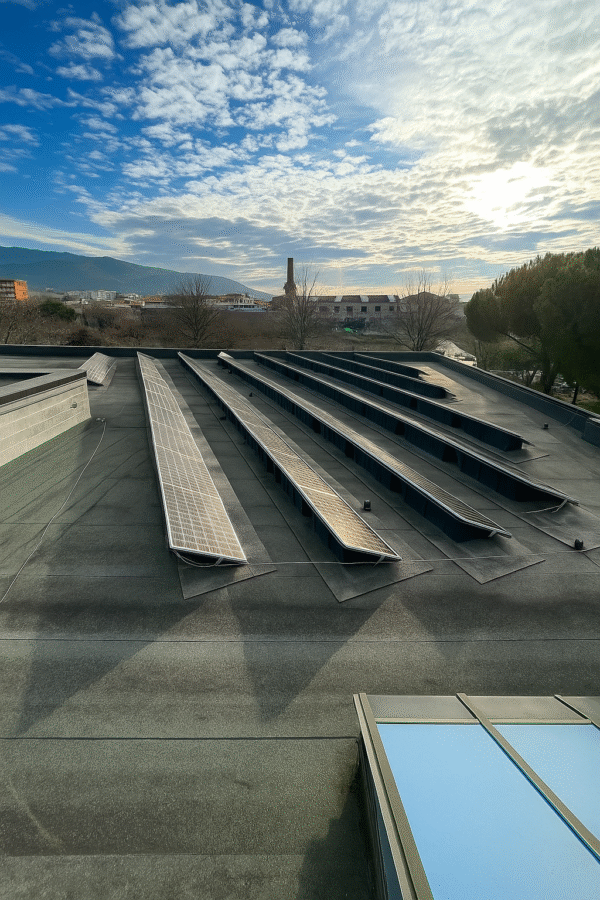

Plant engineering is a fundamental pillar of detailed executive design. Through an integrated, digital, and performance-based approach, it enables the creation of buildings that are not only architectural spaces but efficient, safe, and sustainable organisms.
Thanks to the use of advanced technologies, simulation methodologies, and collaborative digital tools, systems become part of an intelligent system capable of adapting to user needs and environmental conditions. Ultimately, investing in plant design means ensuring quality of work and added value throughout the entire building life cycle.