
The selection and management of materials represent one of the most critical and strategic aspects of contemporary building design. The analysis of material requirements is not limited to a superficial aesthetic or performance evaluation but constitutes a methodical process that integrates technical, regulatory, environmental, and economic needs. In a context characterized by increasing complexity and ever more stringent sustainability standards, this type of analysis plays a decisive role in ensuring that design choices are consistent with quality, safety, and durability objectives.
In detailed executive design, material analysis becomes the foundation upon which the translation of the architectural concept into a feasible project rests, capable of ensuring reliable performance throughout the entire life cycle of the work.
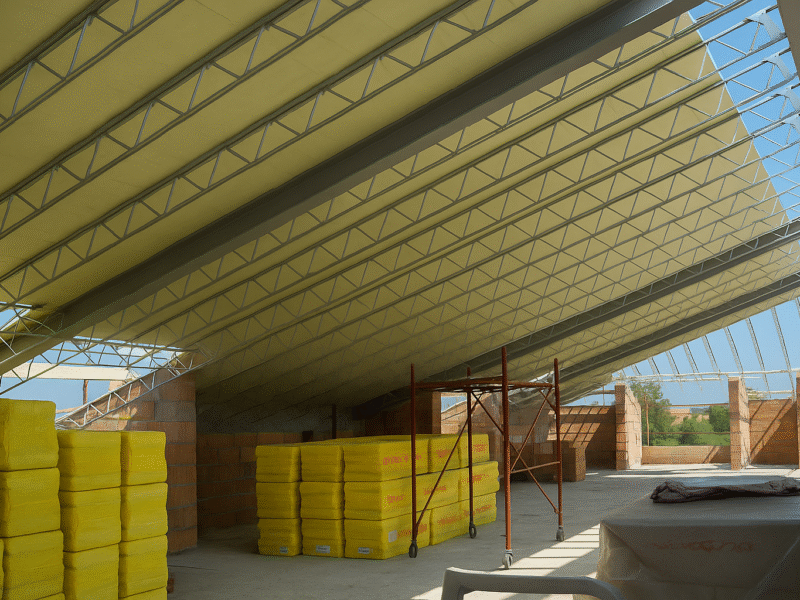
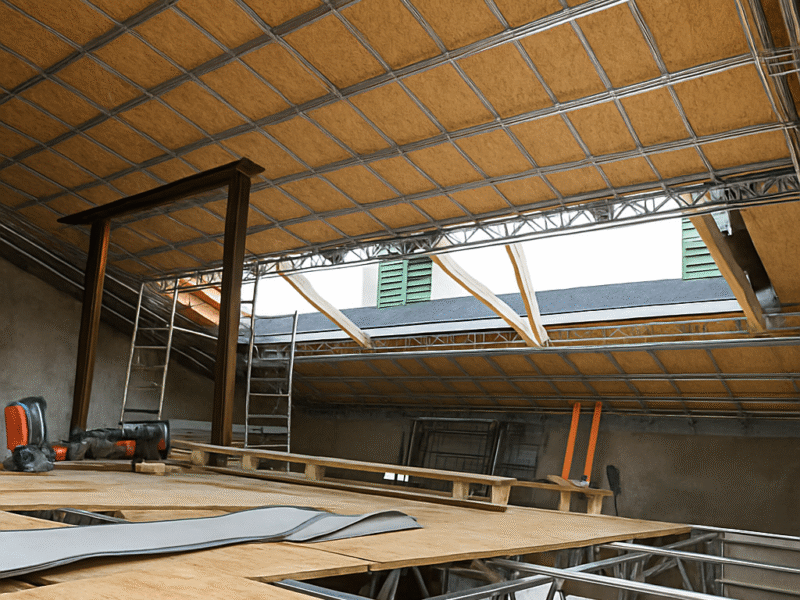
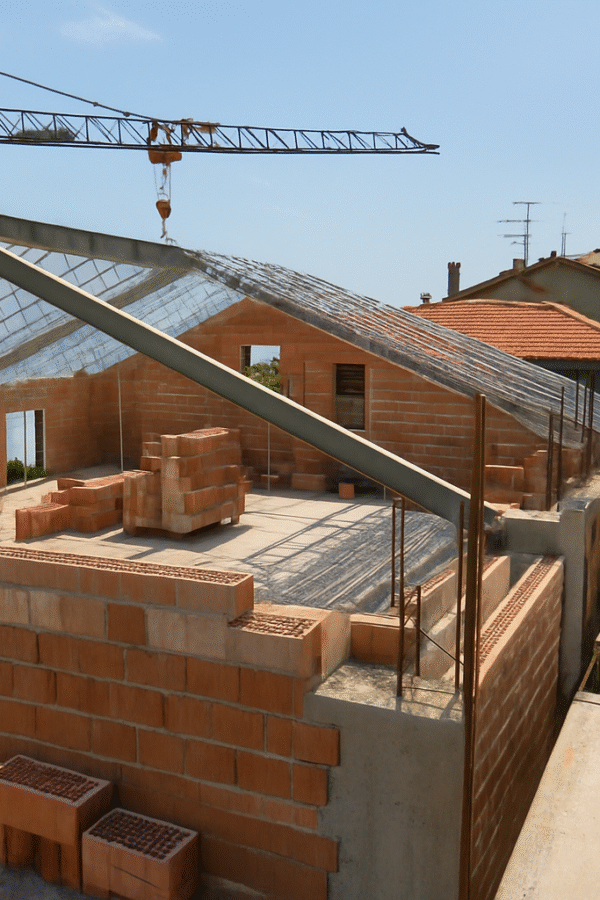
Material requirements analysis should be seen as an integral part of a life cycle oriented approach:
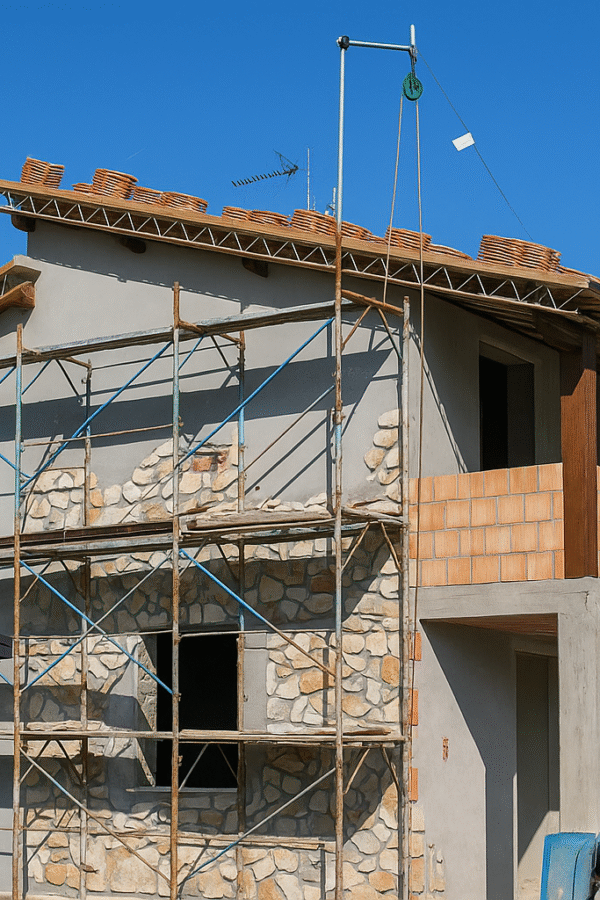
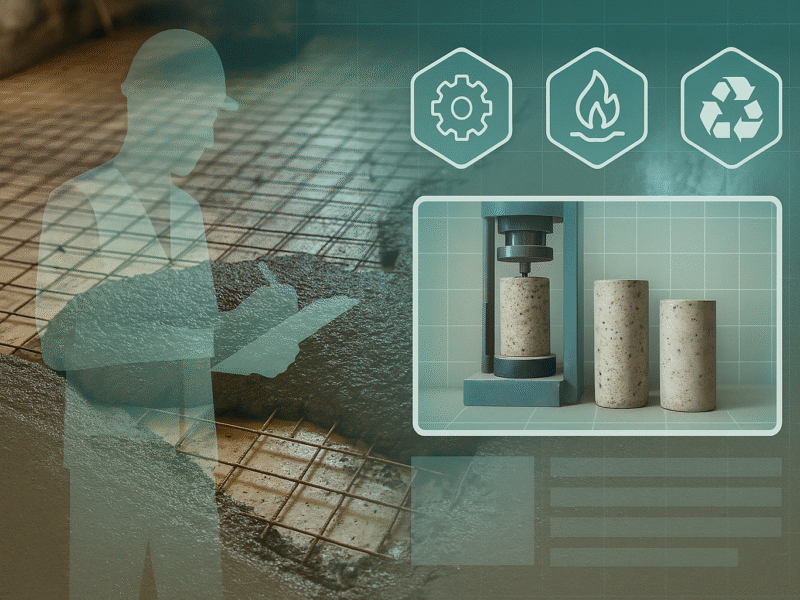
The analysis of material requirements is a fundamental step in detailed executive design, as it allows the integration of technical, economic, regulatory, and environmental needs into a single design strategy. A thorough and multidimensional evaluation of materials helps reduce risks, contain costs, and ensure high performance throughout the entire life cycle of the work.
In a sector increasingly oriented towards sustainability and digitalization, investing in this activity means not only improving the quality of construction but also contributing to the resilience and efficiency of future buildings.