
Energy efficiency is one of the main challenges of contemporary construction. Reducing consumption and climate-altering emissions, combined with improving living comfort, represents a strategic goal at both European and international levels. In this scenario, energy containment models play a central role: it is not just about implementing low-consumption technologies, but adopting a systemic approach that analyzes and optimizes the entire building throughout its life cycle.
In the context of detailed executive design, these models become indispensable tools for integrating construction, plant, and management solutions into a coherent framework capable of ensuring certified and measurable performance. A project that does not consider energy containment from the early stages risks generating high operational costs, regulatory non-compliance, and reduced durability.
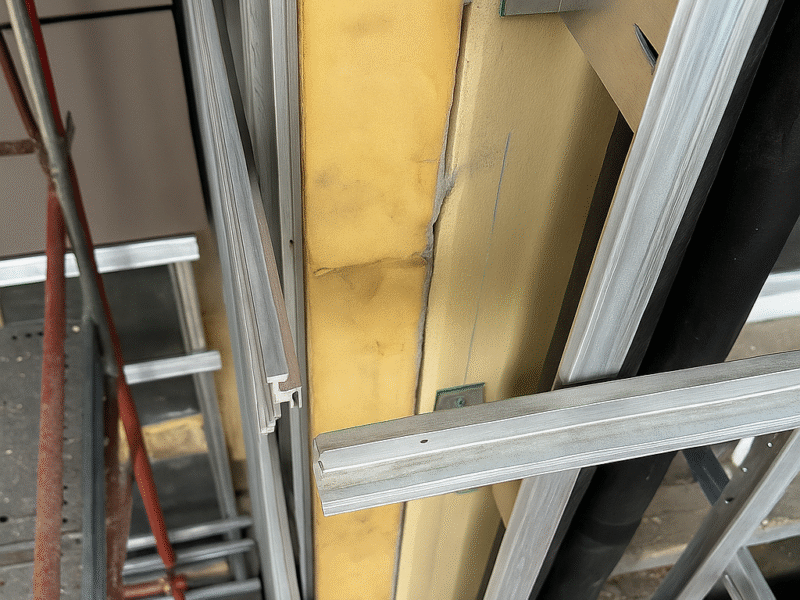
Energy containment models are design and operational methodologies aimed at reducing the energy demand of buildings through:
The basic principle is that of the building as a system: not considering individual components in isolation, but as parts of a complex organism where every choice affects overall performance.
To evaluate and develop energy containment models, reference must be made to measurable technical indicators:
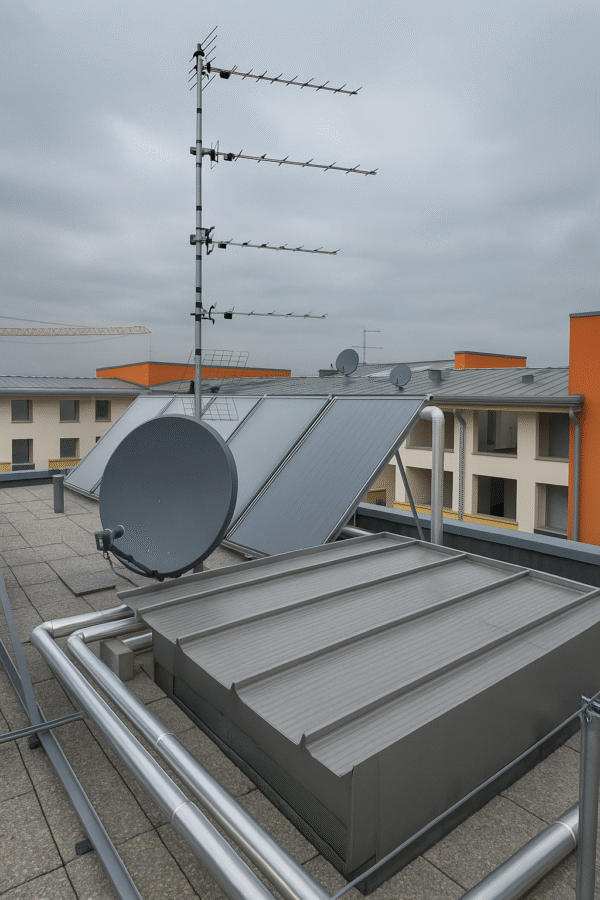
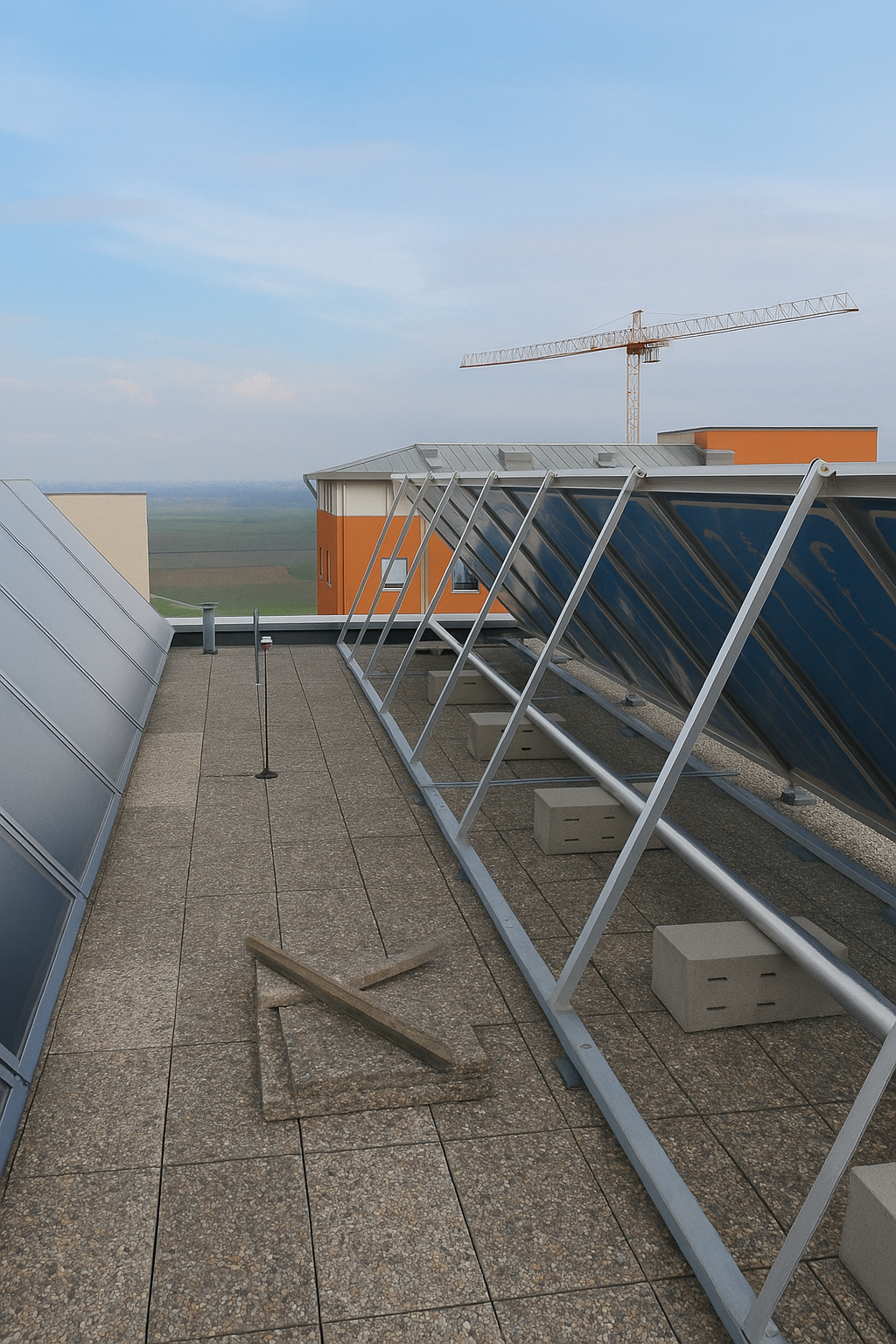
Energy containment models do not end at the design stage:

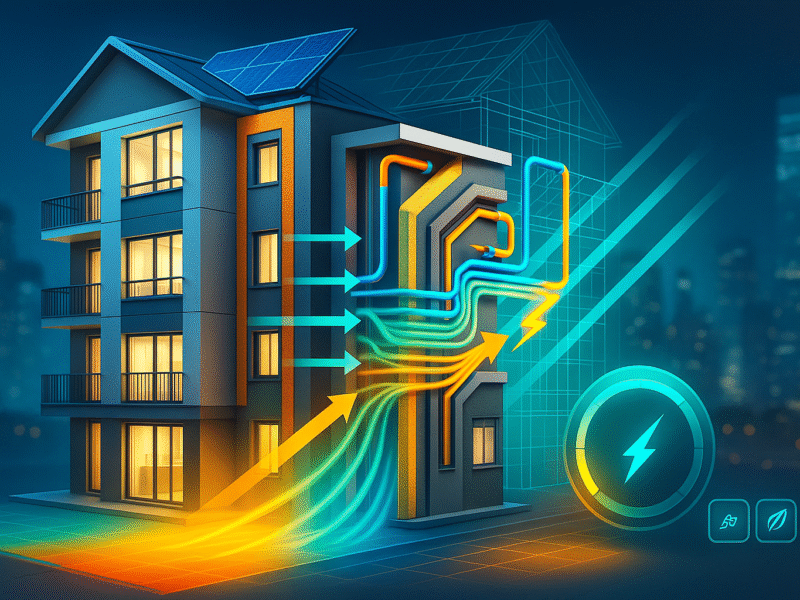
Energy containment models are an essential tool for combining architectural quality, system efficiency, and environmental sustainability. Their application in detailed executive design allows transforming the building into an intelligent system capable of reducing consumption and emissions, improving comfort, and ensuring economic value over time.
In a context where energy efficiency is no longer an option but an essential requirement, investing in accurate energy containment models means designing resilient, high-performance buildings in line with future climate and economic challenges.