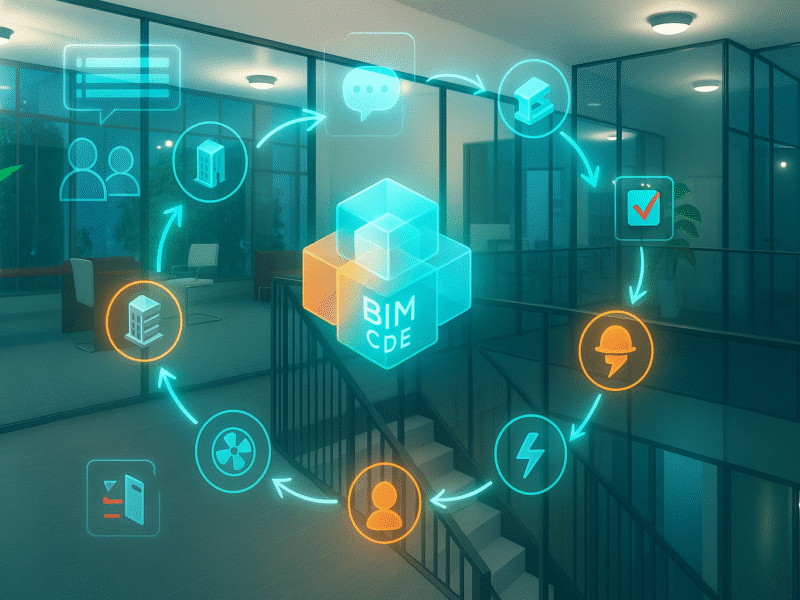
Coordination and communication

Synergy, precision, and transparency: the key to a successful project

In the construction sector, the increasing complexity of projects and the high number of stakeholders involved make coordination and communication essential elements to ensure the quality and efficiency of the building process. It is not just about synchronizing technical activities or sharing information, but about creating a structured system of multidisciplinary interaction that allows designers, companies, suppliers, and clients to operate synergistically.

In detailed executive design, coordination ensures consistency among various disciplines (architecture, structures, systems, acoustics, sustainability), while communication ensures that information flows without distortion throughout the entire supply chain. The integration of these two aspects reduces the risk of errors, avoids interferences, and allows compliance with the required timelines, costs, and performance.
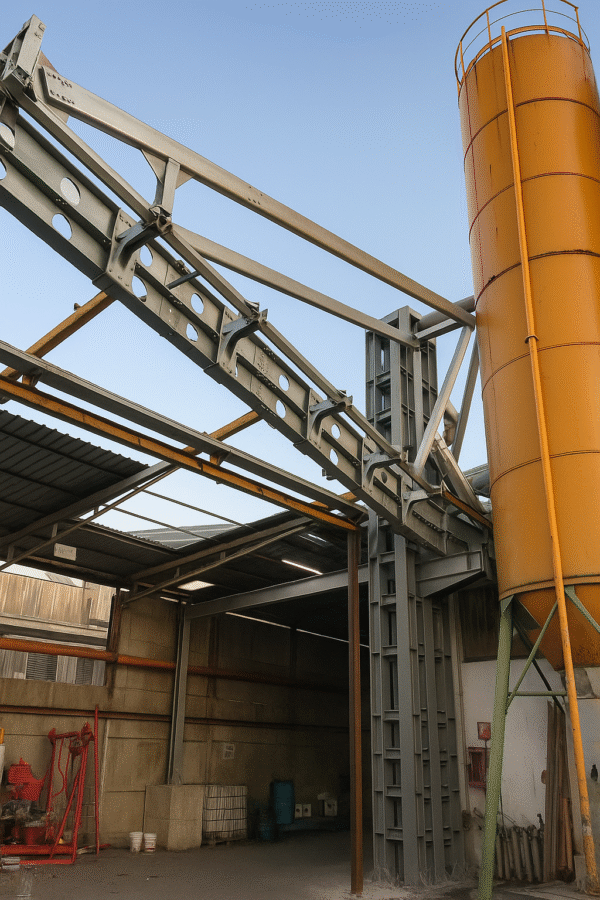
Principles of coordination in detailed executive design

1. Multidisciplinary integration
  • Each discipline must be harmonized with the others through an iterative process.
  • Architectural choices influence structures and systems, and vice versa: coordination ensures mutual compatibility.
  • Preventive identification of overlaps between ducts, structures, and technological systems.
  • Use of clash detection tools integrated into BIM models.
  • Clarity of roles for designers, project managers, safety coordinators, and executing companies.
  • Precise allocation of activities and areas of expertise.
  • Planning activities based on precedence and interdependence logic.
  • Use of project management methodologies such as CPM and WBS.

Coordination tools and methodologies

  • BIM (Building Information Modeling): a platform that enables the sharing and coordination of information among disciplines, with three-dimensional visualization and temporal (4D) and economic (5D) management.
  • Common Data Environment (CDE): a shared digital environment for storing, versioning, and controlled distribution of technical documentation.
  • Digital Twin: a virtual replica of the work that integrates real-time data and facilitates coordination during the construction phase.
  • Lean Construction: a management approach to reduce waste and increase efficiency in the flow of activities.

Communication as a strategic lever

Communication is not just a simple exchange of information, but a structured process of data transfer, interpretation, and validation:

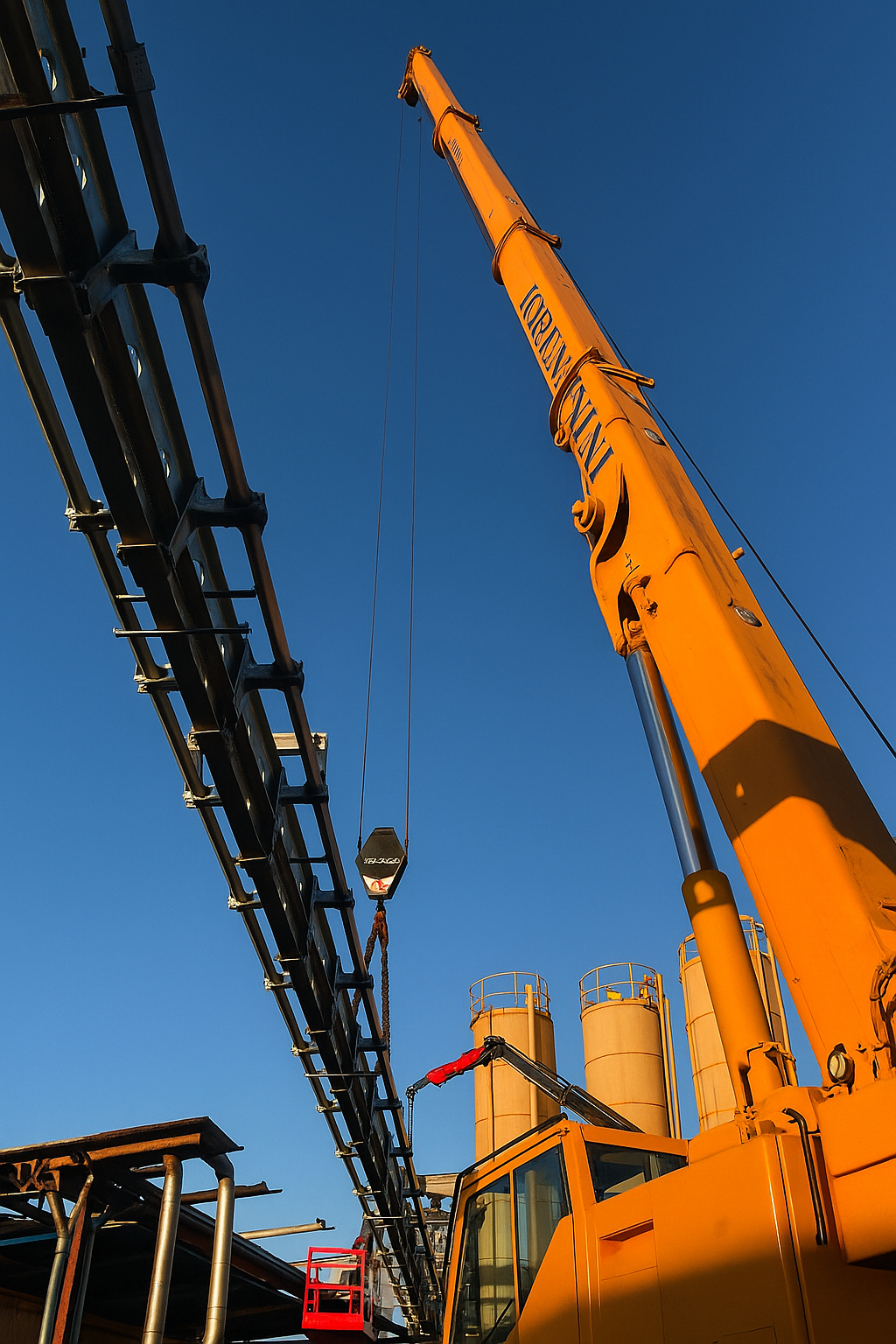
  1. Vertical communication
    • Between the client and the design team, to clarify objectives, constraints, and expectations.
    • Between project management and executing companies, to translate design choices into operational activities.
  2. Horizontal communication
    • Between technical disciplines, to ensure project consistency.
    • Between suppliers and companies, to optimize procurement and delivery times.
  3. Digital communication
    • Collaborative platforms, cloud, and document management systems.
    • Augmented and virtual reality tools to share design solutions with all stakeholders.
  4. Standardization of information flows
    • Use of shared protocols (e.g., IFC in BIM) to avoid data loss or corruption.
    • Structuring reports and minutes according to predefined formats.

Benefits of effective coordination and communication

  1. Reduction of design errors
    • Elimination of inconsistencies and interferences before the execution phase.
  2. Temporal and economic efficiency
    • Better synchronization of activities reduces delays and changes.
    • Lower incidence of additional costs due to rework or disputes.
  3. Quality of construction
    • Greater execution accuracy thanks to clear information.
    • Results that comply with expected performance and current regulations.
  4. Safety
    • Transparent communication facilitates the implementation of preventive measures.
    • Coordination reduces risky overlaps on site.
  5. Sustainability
    • More efficient processes reduce material and energy waste.
    • Clear communication promotes informed choices with an environmental perspective.

Challenges and issues

  • Organizational complexity: the presence of many stakeholders with different interests can generate conflicts.
  • Cultural resistance: difficulties in adopting digital tools and shared protocols.
  • Information overload: managing large amounts of data can cause overload and dispersion.
  • Continuous updating: design changes require timely communications to avoid cascading errors.

Integration with the construction cycle

Coordination and communication accompany every phase of the project:
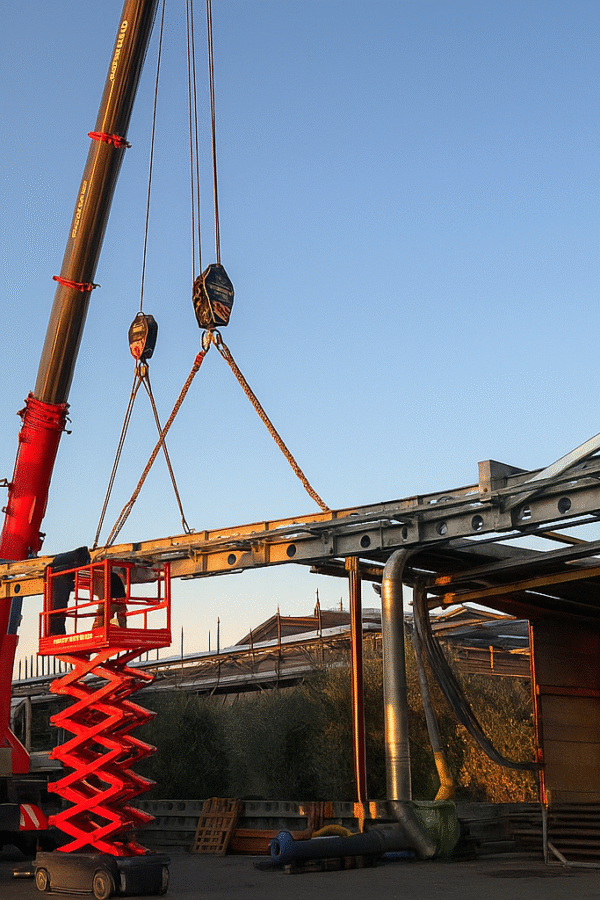
  • Design: constant data exchange between disciplines to align technical solutions.
  • Execution: operational communications and monitoring of interferences on site.
  • Testing: structured documentation to verify compliance and performance.
  • Operation management: technical manuals and digital reports as communication tools for facility managers.

Coordination and communication are fundamental pillars of detailed executive design and, more generally, of the building process. The effectiveness with which information is integrated, managed, and shared directly affects the project’s timelines, costs, quality, and safety.

The adoption of advanced methodologies, digital tools, and standardized communication protocols allows for the reduction of critical issues, improvement of efficiency, and ensures the success of the work. In an increasingly complex and interconnected sector, investing in coordination and communication means building not only buildings but collaborative, resilient, and quality-oriented processes.

Segui i nostri profili social
Privacy Overview

This website uses cookies so that we can provide you with the best user experience possible. Cookie information is stored in your browser and performs functions such as recognising you when you return to our website and helping our team to understand which sections of the website you find most interesting and useful.