
The control of safety conditions is one of the most significant activities in managing a construction project. Safety on construction sites is not just a regulatory obligation but a strategic element that directly impacts the quality, efficiency, and sustainability of the construction process. In the context of detailed executive design, this control takes on a particular significance: it is not just about applying basic rules, but it translates into a structured system of prevention, monitoring, and continuous improvement, capable of integrating technical, organizational, and technological aspects.
In the absence of systematic control, the risk of accidents, injuries, or operational interruptions increases significantly, with consequences both on a human and economic level. Conversely, careful planning of safety conditions, combined with constant monitoring, ensures the protection of workers, risk reduction, and regulatory compliance, contributing to the overall success of the project.
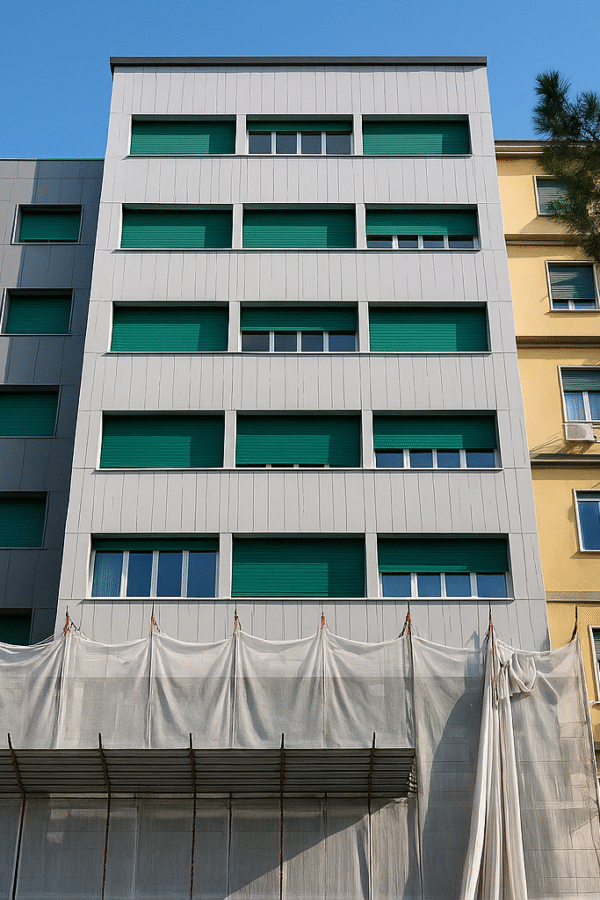
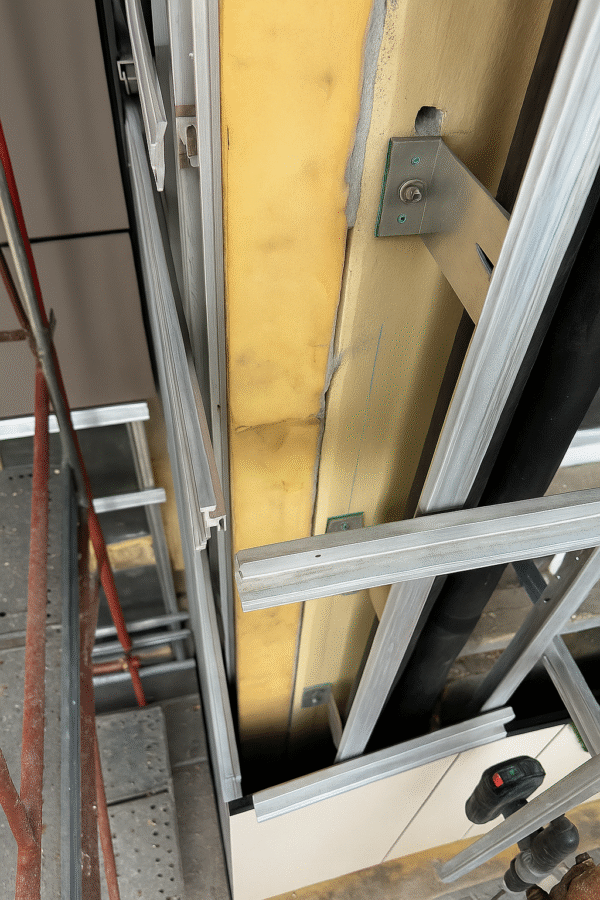
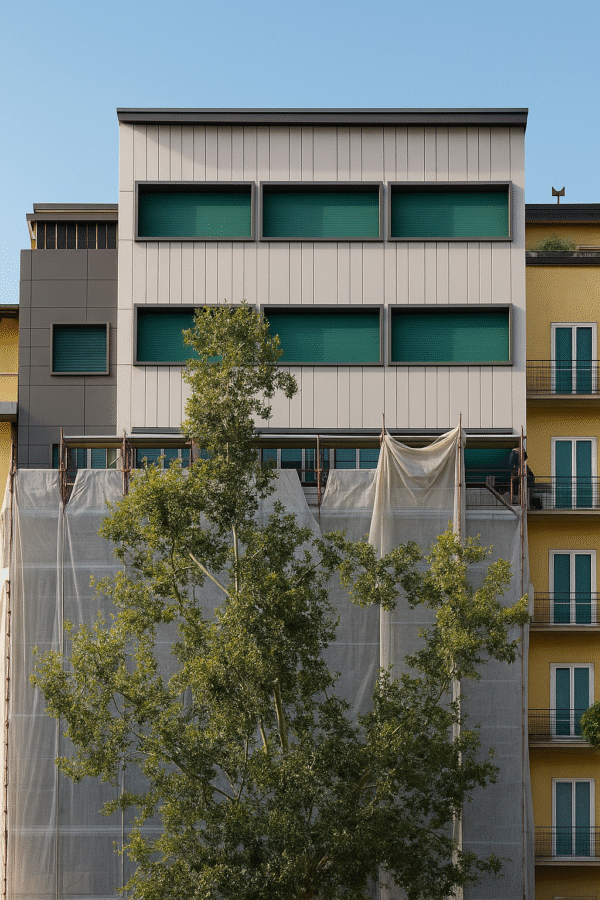
The control of safety conditions must be planned and implemented at every stage of the project:
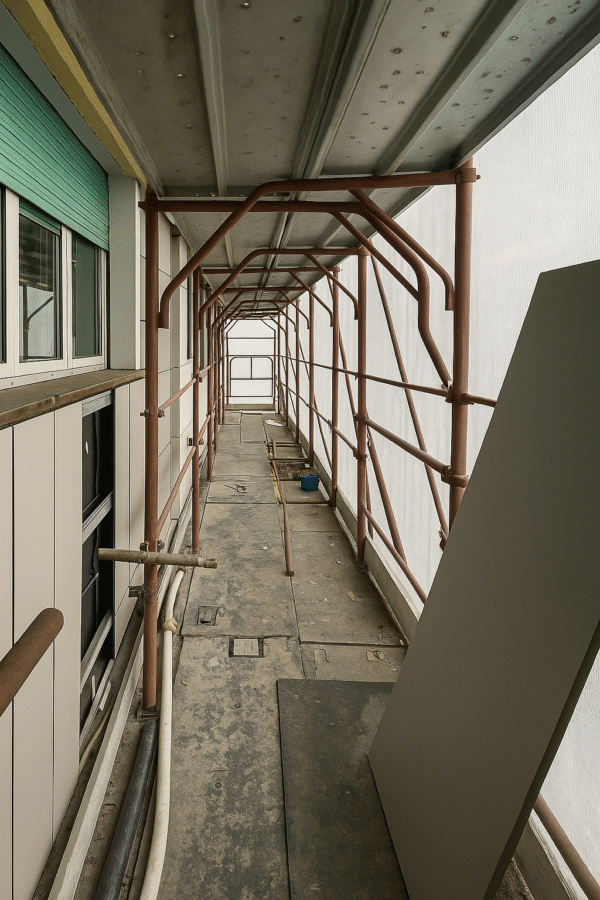
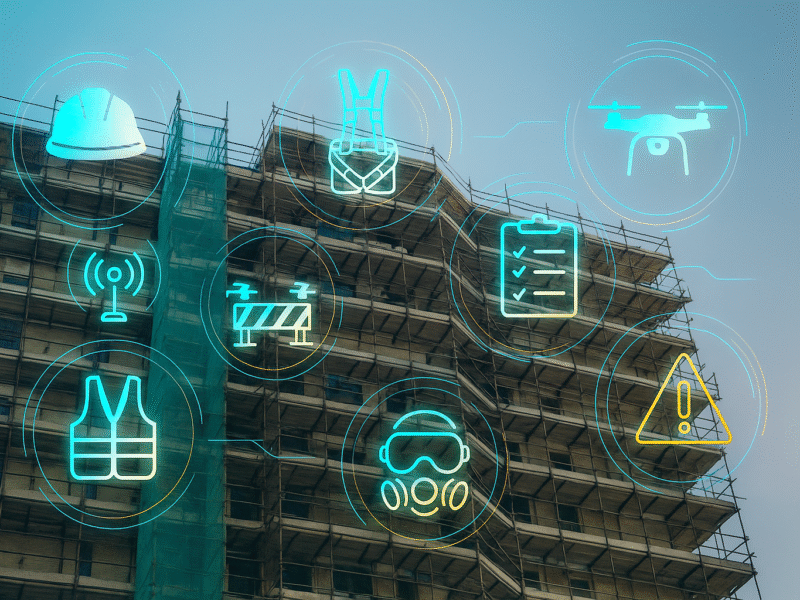
The control of safety conditions is not an accessory activity, but an essential component of detailed executive design and site management. Through preventive analyses, constant monitoring, and the use of advanced technologies, it is possible to ensure a safe, efficient, and sustainable work environment.
Ultimately, investing in safety means investing in the quality of the project, the protection of people, and the sustainability of the construction sector, contributing to transforming construction sites into places not only of production but also of responsibility and innovation.