
Construction methodologies

Cost-benefit analysis as a strategic tool in Project Management

The construction methodologies represent the core of the building process, as they translate design choices into concrete operational practices. They comprise the set of techniques, procedures, and tools that enable the realization of a project in a safe, efficient, and quality-compliant manner. In the context of detailed executive design, the precise definition of methodologies plays a central role: it not only guides site organization and the sequence of operations but also ensures consistency between the executive project and its realization, minimizing risks, time, and costs.

The adoption of appropriate methodologies also allows for addressing contemporary construction challenges, such as reducing environmental impact, optimizing resources, ensuring worker safety, and managing the increasing complexity of projects.
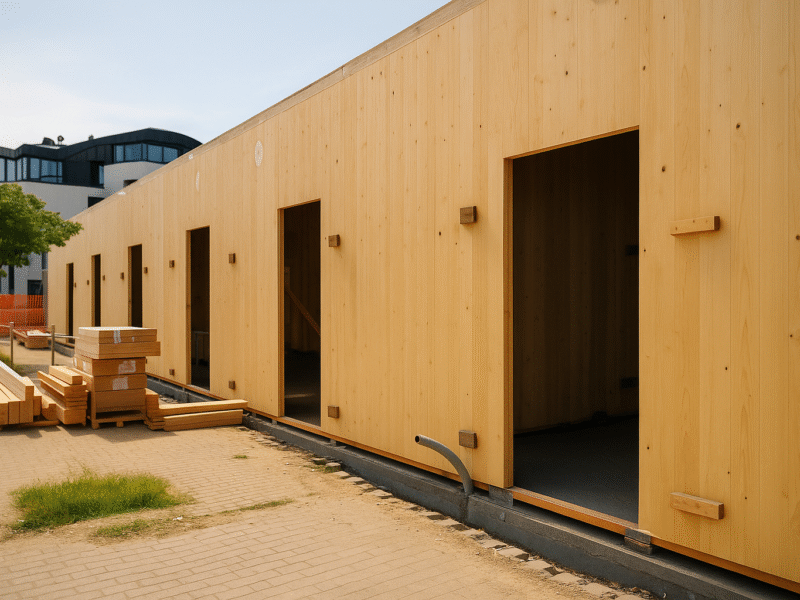
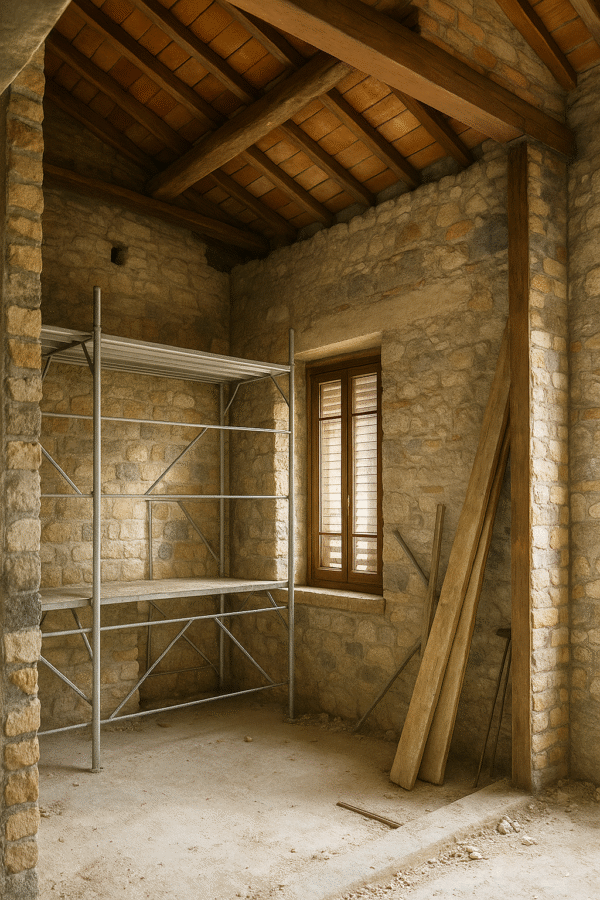
Characteristics of construction methodologies

  1. Standardization
    • Application of codified procedures compliant with technical and safety standards (UNI, EN, ISO).
    • Adoption of operational protocols that reduce variability and margins of error.
  2. Interdisciplinary integration
    • Coordination between architecture, structures, and systems to ensure consistent execution.
    • Alignment with BIM digital models and project functional diagrams.
  3. Flexibility and adaptability
    • Ability to adapt to specific site, logistical, or environmental conditions.
    • Use of innovative methodologies in response to particular constraints (dense urban areas, complex sites).
  4. Orientation towards sustainability
    • Use of low environmental impact construction techniques.
    • Recovery and recycling of materials in a circular economy perspective.

Main construction methodologies

1. Traditional on-site construction
  • Techniques based on concrete casting, load-bearing walls, and formwork.
  • Suitable for complex and customized projects, but characterized by longer timeframes.
  • Production of structural and architectural elements in a factory and subsequent assembly on site.
  • Advantages: reduced time, quality control in an industrial environment, lower environmental impact.
  • Applications: facades, floors, panels, plant modules.
  • Evolution of prefabrication with the creation of three-dimensional modules complete with systems and finishes.
  • Allows for extremely reduced site times and greater industrialization of the process.
  • Techniques based on systems assembled without the use of water (drywall, sandwich panels, light structures).
  • Allow for ease of assembly and disassembly, greater flexibility, and sustainability.
  • Additive manufacturing (3D printing in construction): production of structural elements directly on site with waste reduction.
  • Hybrid construction: combination of traditional techniques and prefabricated systems.
  • Robotics and automation: use of machines for laying, welding, or complex movements.

Planning of construction methodologies

1. Preliminary analysis
  • Study of the site’s geotechnical, logistical, and environmental conditions.
  • Assessment of available resources (labor, machinery, materials).
  • Sequencing of primary and secondary operations.
  • Integrated planning with the schedule (BIM 4D).
  • Identification of the most suitable techniques based on time, cost, and design constraints.
  • Cost-benefit analysis of available alternatives.
  • Implementation of the PSC (Safety and Coordination Plan).
  • Identification of specific risks for each adopted methodology.
  • Verification procedures during construction to ensure compliance with the executive project.
  • Use of intermediate and final testing protocols.

Supporting digital technologies

  • BIM (Building Information Modeling): 4D simulations to visualize construction sequences and detect interferences.
  • Site simulations: software dedicated to logistics, vehicle movement, and assembly phases.
  • Augmented reality: on-site support for verifying methodologies directly in real spaces.
  • Digital Twin: dynamic virtual models to monitor real-time progress and construction performance.

Benefits of well-defined construction methodologies

  1. Reduction of time
    • Optimized operational sequences reduce delays and overlaps.
  2. Cost control
    • More accurate budgeting and reduction of variations.
  3. Improved built quality
    • High standards due to repeatability and continuous control.
  4. Site safety
    • Structured procedures that reduce risks for operators and end users.
  5. Sustainability
    • Construction techniques oriented towards energy saving and material recovery.

Challenges and issues

  • Interoperability of digital systems: need for integrated platforms for data management.
  • Specialist skills: requirement for personnel trained in new methodologies.
  • Regulatory constraints: need to adapt innovative techniques to sometimes outdated regulations.
  • Initial investments: industrialized techniques require higher startup costs.

Integration with the construction cycle

Construction methodologies do not end in the execution phase:
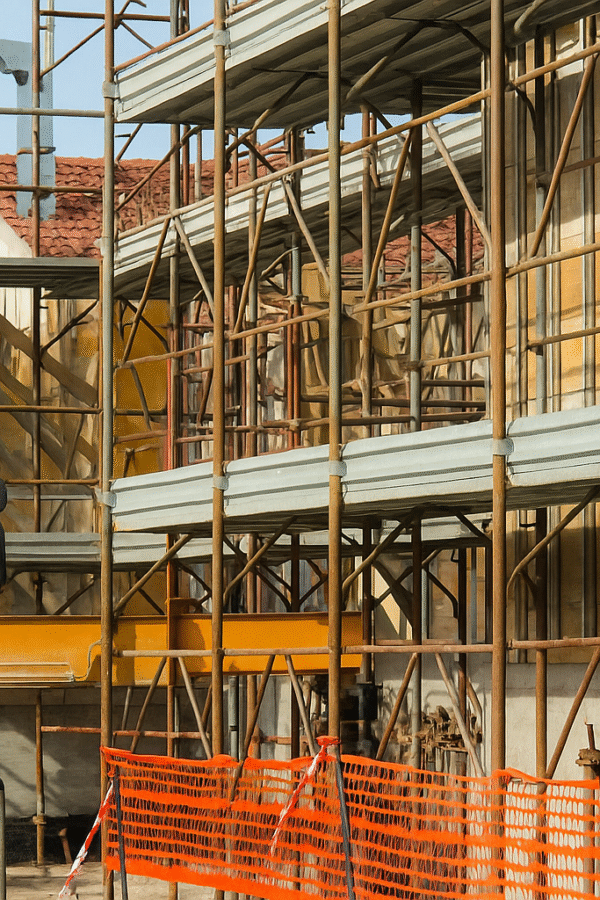
  • Design: choice of techniques consistent with performance objectives.
  • Construction: application of defined methodologies to ensure time, cost, and quality.
  • Management: data collected during construction support maintenance and redevelopment.
  • Decommissioning: dry or modular construction techniques facilitate disassembly and recycling.

The construction methodologies are a key element in transforming projects into reliable, safe, and sustainable works. Their precise definition in detailed executive design allows for the prevention of critical issues, resource optimization, and ensuring full consistency between design concept and realization.

Thanks to integration with digital tools such as BIM, site simulations, and digital twins, construction methodologies today become part of a technological ecosystem that unites design, execution, and management in a continuous flow. Ultimately, investing in the definition of methodologies means building not only buildings but resilient, efficient, and future-oriented processes.

Segui i nostri profili social
Privacy Overview

This website uses cookies so that we can provide you with the best user experience possible. Cookie information is stored in your browser and performs functions such as recognising you when you return to our website and helping our team to understand which sections of the website you find most interesting and useful.