Plant design

Efficiency and system integration at the service of building quality

In every building project, the design of systems represents a crucial phase to ensure efficiency, safety, comfort, and sustainability. While the structure and architecture form the framework and aesthetic identity of a building, the systems determine its daily functionality and operational performance. The increasing technological and regulatory complexity, combined with the push towards low-energy and highly digitally integrated buildings, makes system design a strategic element for the overall quality of the project.

Modern system design does not merely define technical distribution schemes but adopts a multidisciplinary approach involving energy, environmental, regulatory, and economic aspects. A well-designed system not only meets immediate needs but integrates harmoniously with architecture and structure, helping to reduce management costs and increase the property’s value throughout its lifecycle.
Areas of system design

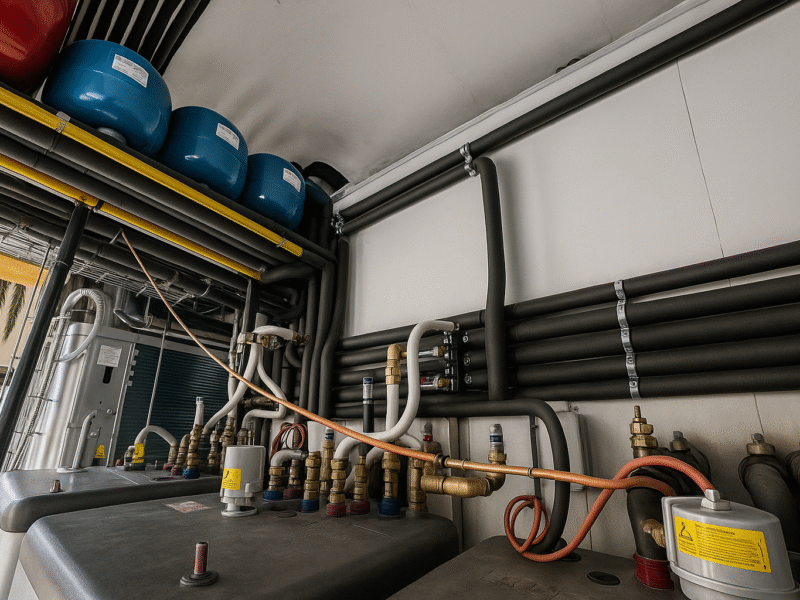
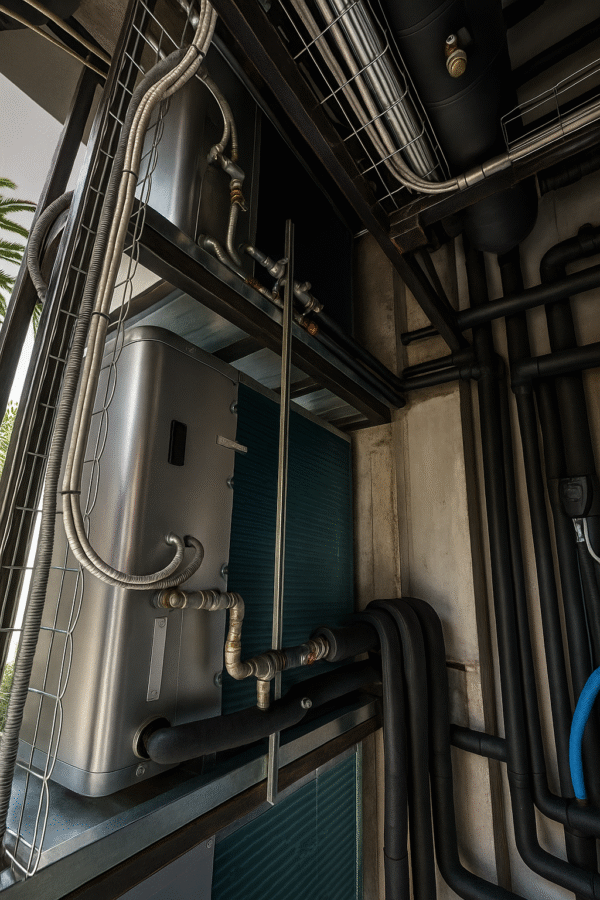
1. Mechanical systems (HVAC)
  • Heating, ventilation, and air conditioning systems.
  • Design of high-efficiency solutions: heat pumps, radiant systems, heat recovery units.
  • Thermo-hygrometric analysis of environments and dynamic simulations to ensure comfort and consumption containment.
  • Electrical distribution and control panels.
  • Natural and artificial lighting systems, with particular attention to energy efficiency (LED, presence sensors, DALI controls).
  • Special systems: security, intrusion detection, video surveillance, data networks, home automation.
  • Water distribution for hot and cold sanitary water.
  • Systems for the recovery and reuse of greywater and rainwater.
  • Water treatment and solutions for reducing consumption.
  • Sprinkler systems and hydrant systems.
  • Smoke and gas detection with integrated alarm panels.
  • Inert gas or foam systems for high-risk environments.
  • Integration of photovoltaic and solar thermal systems.
  • Electrical and thermal storage systems.
  • Low enthalpy geothermal solutions and small wind turbines.

Phases of system design

1. Preliminary analysis
  • Collection of the client’s functional requirements.
  • Study of expected thermal and electrical loads.
  • Assessment of the site’s climatic and environmental conditions.
  • Selection of technologies to be adopted in line with energy efficiency and sustainability goals.
  • Definition of principle distribution schemes.
  • Initial estimates of installation and management costs.
  • Development of detailed thermal and electrical calculations.
  • Sizing of equipment and distribution systems.
  • Compliance verification with current regulations (CEI, UNI, fire prevention DM, EPBD).
  • Drafting of executive drawings, single-line and multi-line diagrams.
  • Technical specifications of components and materials.
  • Testing, maintenance, and operational management plans.

Tools and methodologies to support

Tools and methodologies to support

Today’s system design leverages advanced digital tools and interdisciplinary integration methodologies:
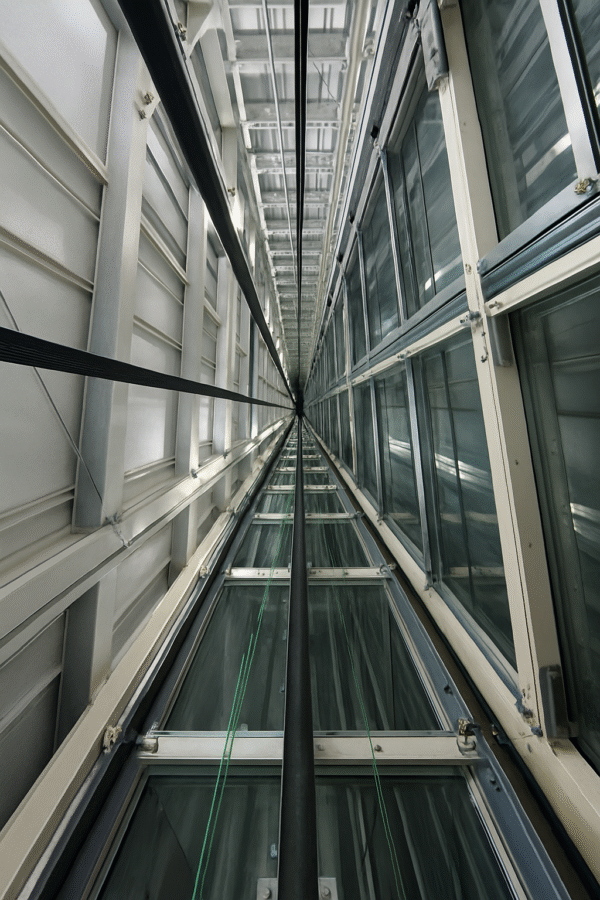
  • Building Information Modeling (BIM MEP): 3D modeling of systems integrated with architecture and structures, to identify conflicts and optimize coordination.
  • Dynamic energy simulations: software to predict real consumption under variable operating conditions.
  • LCA and LCC: life cycle and cost analysis to assess the environmental and economic impact of solutions.
  • Digital twin: digital replicas of systems for monitoring and predictive maintenance.

Benefits of accurate system design

1. Energy efficiency
  • Reduction of consumption thanks to properly sized systems and innovative technologies.
  • Greater energy independence through the integration of renewable sources.
  • Guarantee of optimal conditions of temperature, humidity, lighting, and indoor air quality.
  • Healthier and safer environments for users.
  • Lower environmental impact through low-emission solutions.
  • Responsible use of water and energy resources.
  • Systems compliant with regulations reduce the risk of accidents and malfunctions.
  • Integrated fire protection and security systems for the protection of people and property.
  • Reduced management and maintenance costs thanks to efficient and durable systems.
  • Increased market appeal of technologically advanced buildings.

Coordination between systems, architecture, and structures:

  • Choice of system passages that do not compromise structural strength.
  • Aesthetic coordination of visible elements (ducts, lighting fixtures, climate control terminals).
  • Architectural solutions that promote natural ventilation and reduce the load on systems.

System design is a fundamental pillar of modern construction, on par with architectural and structural design. It requires multidisciplinary skills, advanced digital tools, and a life-cycle-oriented integrated approach.

A carefully designed system is not just a technical system, but an element that significantly contributes to the building’s quality, user safety, environmental sustainability, and management efficiency.

Ultimately, system design is the key to creating functional, resilient building projects capable of meeting contemporary societal challenges, ensuring high performance and lasting value over time.

Privacy Overview

This website uses cookies so that we can provide you with the best user experience possible. Cookie information is stored in your browser and performs functions such as recognising you when you return to our website and helping our team to understand which sections of the website you find most interesting and useful.