
In the construction sector, characterized by increasing technological and regulatory complexity, the quality of each discipline alone is not sufficient to ensure the success of a project. Architecture, structures, and systems must communicate with each other from the earliest stages, avoiding overlaps, incompatibilities, and conflicts that could result in costly changes, delays, and inefficiencies during construction. The correct analysis of integrations and interferences is therefore a crucial activity to ensure coherence and optimization of the construction process, contributing to the realization of functional, safe, and sustainable buildings.
This process not only involves identifying potential geometric errors or component overlaps but aims to ensure that the various design disciplines are effectively coordinated, generating a unified, efficient, and durable construction system.
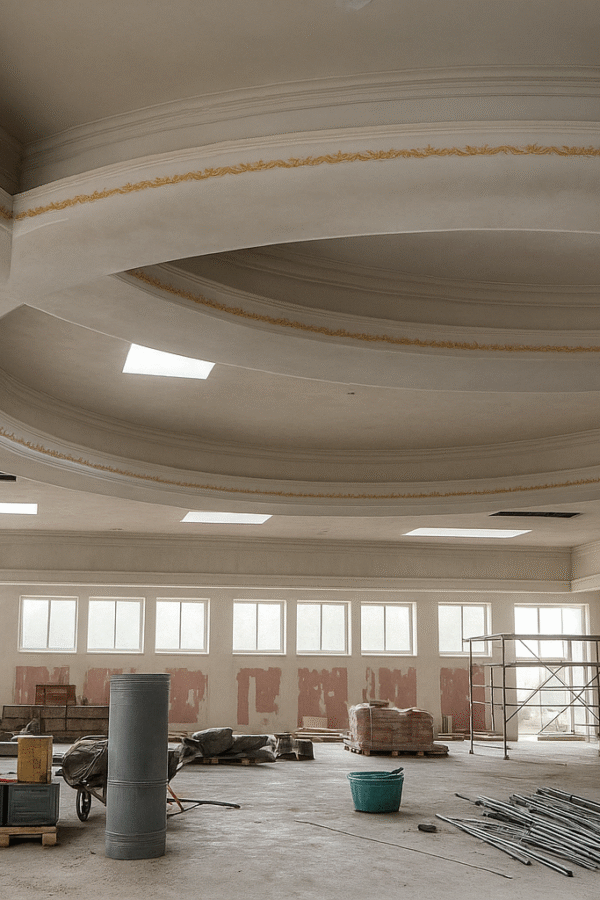
The analysis focuses on different types of potential conflicts:

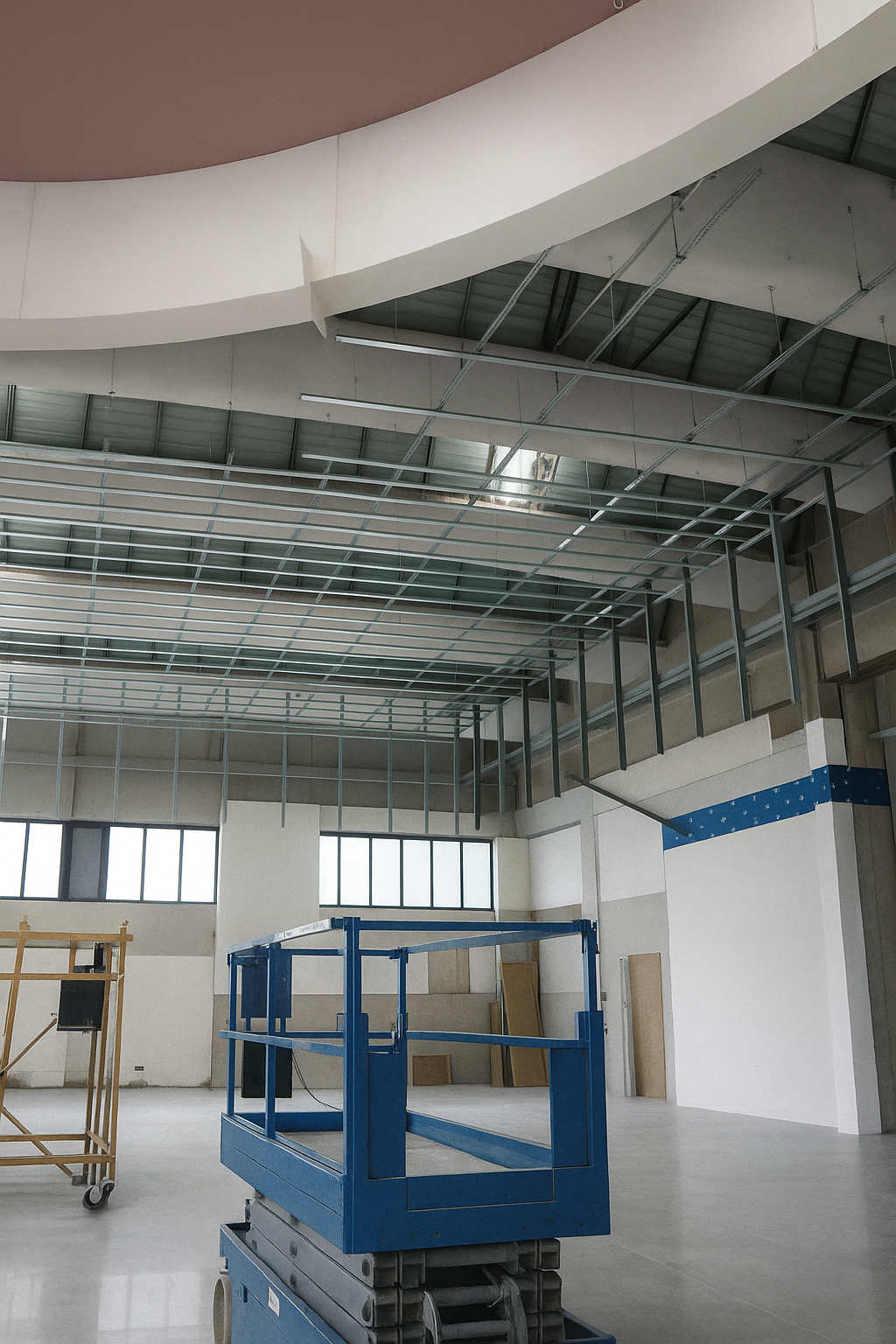
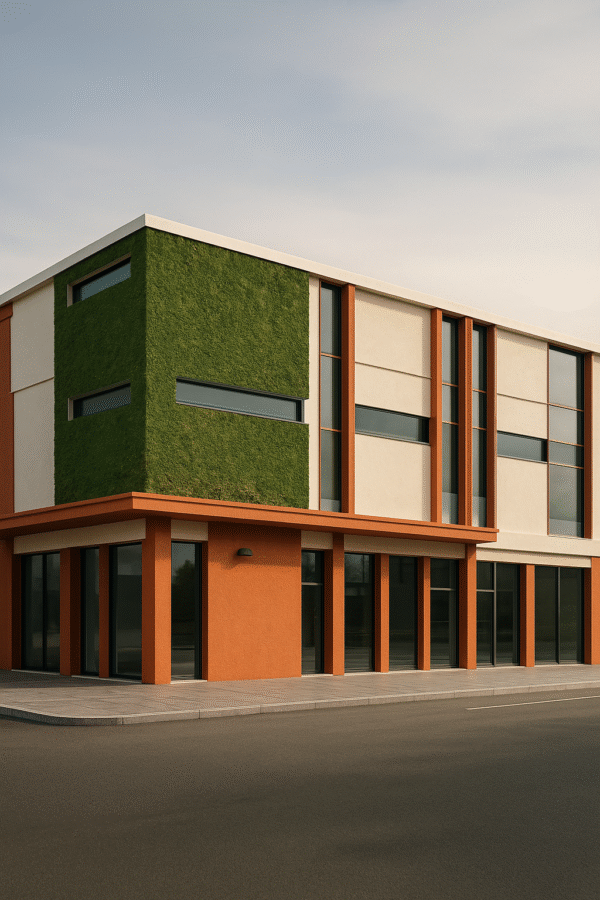
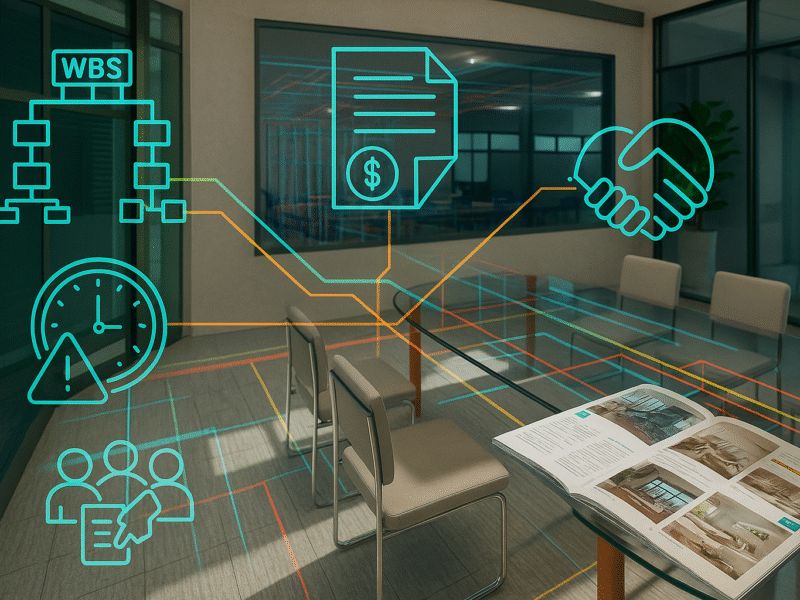
The analysis of integrations and interferences is an essential component of modern design and construction. It allows transforming interdisciplinary complexity into value, ensuring safer, more efficient, and sustainable buildings.
Thanks to the use of advanced digital tools, collaborative methodologies, and integrated governance, it is possible to prevent conflicts and ensure the success of the construction project throughout all its phases.
Ultimately, this activity represents not an additional cost but a strategic investment to reduce risks, optimize resources, and increase the value of the project over time.