Monitoring progress

Variable control for proactive management of construction interventions

In the construction sector, the complexity of processes, the high number of stakeholders involved, and the multitude of variables at play make systematic progress monitoring essential. This practice is not limited to occasional checks on the progress status but constitutes a structured and continuous process that allows verification of the alignment of the work with what was planned in the design and contractual phases.

Monitoring allows for risk reduction, delay prevention, and management of potential issues before they become structural or economic problems. It is also a strategic lever to ensure transparency, quality, and sustainability, while providing objective data to support decision-making.

Objectives of progress monitoring

1. Work progress control
  • Verify that activities are carried out in accordance with the schedule.
  • Analyze any discrepancies between planned and actual times.
  • Monitor costs incurred in relation to the budget.
  • Apply integrated control methodologies such as Earned Value Management (EVM).
  • Ensure that materials and workmanship meet project specifications.
  • Conduct on-site tests and checks to validate compliance with standards.
  • Monitor compliance with safety measures on site.
  • Check the environmental impact of the work and the efficient use of resources.
  • Provide clear and periodic reports to clients and stakeholders.
  • Create a document archive useful for testing and future management of the work.

Monitoring parameters and indicators

Effective monitoring is based on the definition of Key Performance Indicators (KPI), such as:
  • Percentage progress of activities.
  • Discrepancy between planned and incurred costs.
  • Productivity indices of the workforce.
  • Average material procurement times.
  • Number of non-conformities detected and corrected.
  • Frequency of accidents and safety indicators.
  • Energy and environmental performance compared to project objectives.

Monitoring methodologies

  1. Traditional methods
    • Periodic reports prepared by the project management.
    • Site visit and meeting minutes.
    • Manually updated Gantt charts.
  2. Advanced methodologies
    • Earned Value Management (EVM): correlation between time, costs, and progress to assess overall efficiency.
    • Last Planner System (LPS): lean construction method to improve operational planning and reduce waste.
  3. Digital tools
    • Building Information Modeling (BIM 4D and 5D): dynamic simulation of work progress integrated with costs and times.
    • Collaborative project management platforms: digital dashboards for real-time monitoring.
    • IoT technologies and sensors: automated data collection on structural, environmental, and safety parameters.
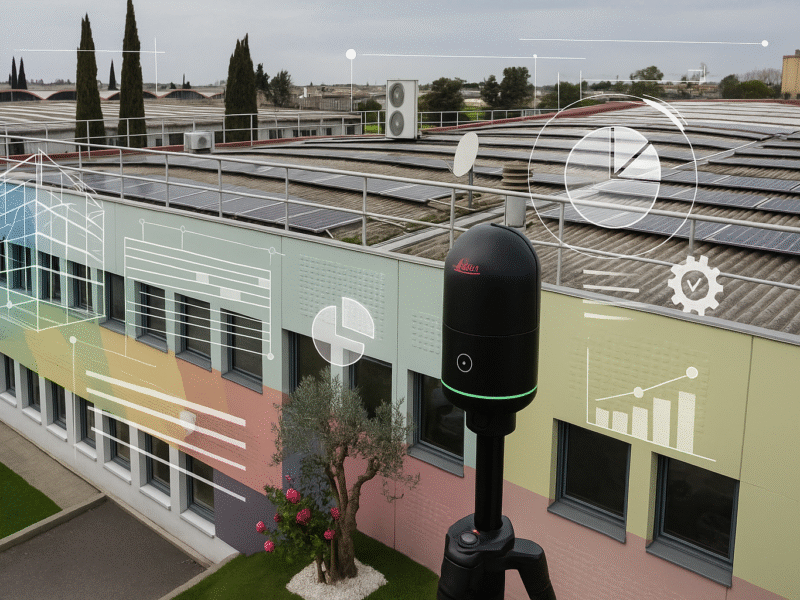
    • Drones and laser scanners: high-precision surveys to verify the correspondence of completed works to the project.

Operational phases of monitoring

  1. Definition of the monitoring plan
    • Identification of critical activities to be controlled.
    • Definition of indicators and detection frequencies.
  2. Data collection
    • Acquisition of information through inspections, sensors, and digital tools.
    • Continuous updating of project databases.
  3. Analysis and comparison
    • Evaluation of discrepancies from planned values.
    • Identification of causes of any delays or extra costs.
  4. Corrective actions
    • Planning of recovery interventions.
    • Redefinition of resources and activities based on updated scenarios.
  5. Reporting and communication
    • Preparation of structured periodic reports shared with all stakeholders.
    • Use of digital dashboards to visualize project progress in real-time.

Benefits of progress monitoring

  1. Risk reduction
    • Ability to promptly intercept technical, economic, or organizational issues.
  2. Economic efficiency
    • Accurate cost control and greater predictability of expenses.
  3. Quality and safety
    • Greater assurance of compliance with technical specifications and safety standards.
  4. Sustainability
    • Monitoring of energy consumption and emissions during construction.
    • Better material management and waste reduction.
  5. Transparency and governance
    • Decisions based on objective and updated data.
    • Greater trust from the client and regulatory bodies.

Monitoring as a continuous process

Progress monitoring should not be seen as an accessory activity but as a continuous process that accompanies all phases of construction. From the pouring of foundations to the final testing, systematic control allows the project to be kept under constant surveillance, improving the overall effectiveness of the construction process. Additionally, the data collected becomes valuable for the operational phase of the work, feeding into facility management and predictive maintenance systems.

Progress monitoring is a cornerstone of project management in construction. Through traditional and digital tools, advanced methodologies, and objective indicators, it is possible to manage the complexity of construction sites, ensure quality, safety, and sustainability, and adhere to planned times and costs.

In an increasingly competitive and transparency-oriented sector, monitoring becomes not only an operational practice but a true governance strategy: an investment to reduce risks, improve performance, and enhance the value of the work throughout its entire life cycle.

Segui i nostri profili social
Privacy Overview

This website uses cookies so that we can provide you with the best user experience possible. Cookie information is stored in your browser and performs functions such as recognising you when you return to our website and helping our team to understand which sections of the website you find most interesting and useful.