
The realization of a building project does not end at the design phase: it is during the execution on site that the project takes concrete form and technical, architectural, and plant choices are consolidated. In this phase, characterized by high operational complexity, supervision and control play a fundamental role in ensuring that activities are conducted in accordance with the project documents, current regulations, and required quality standards.
An effective control system does not merely monitor compliance with requirements but is configured as a dynamic process of verification, coordination, and decision-making support. Supervision during the execution phase helps prevent errors, optimize resources, and ensure the safety, quality, and sustainability of the project throughout its entire lifecycle.
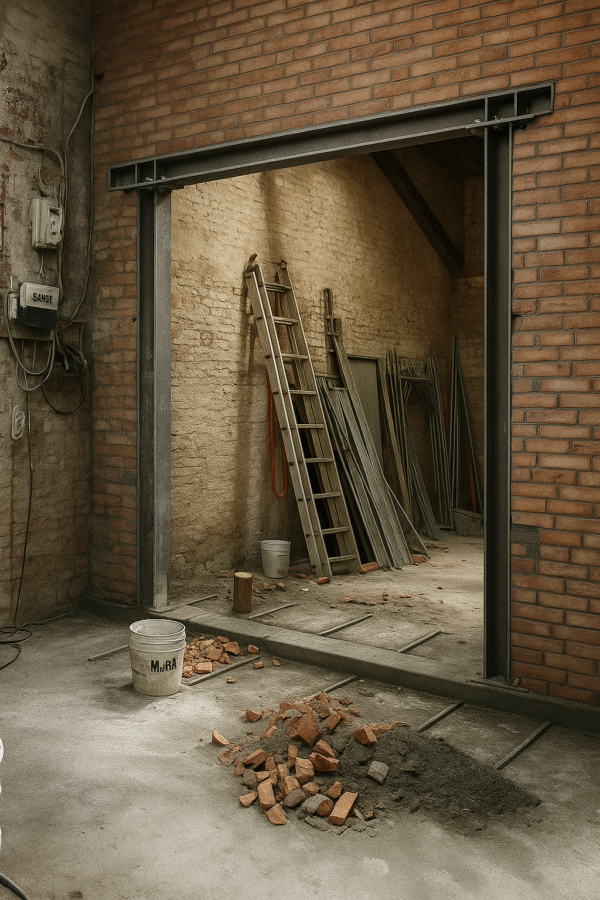
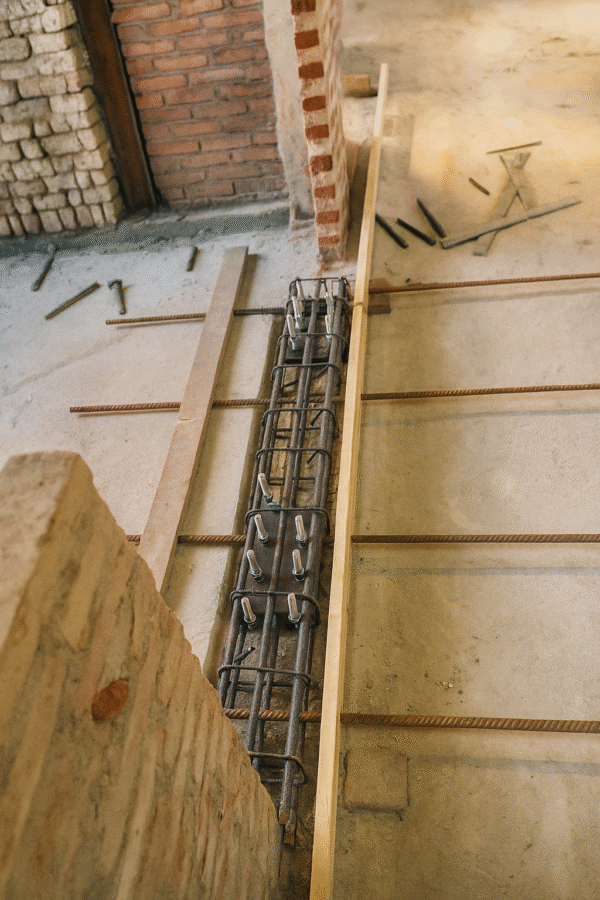
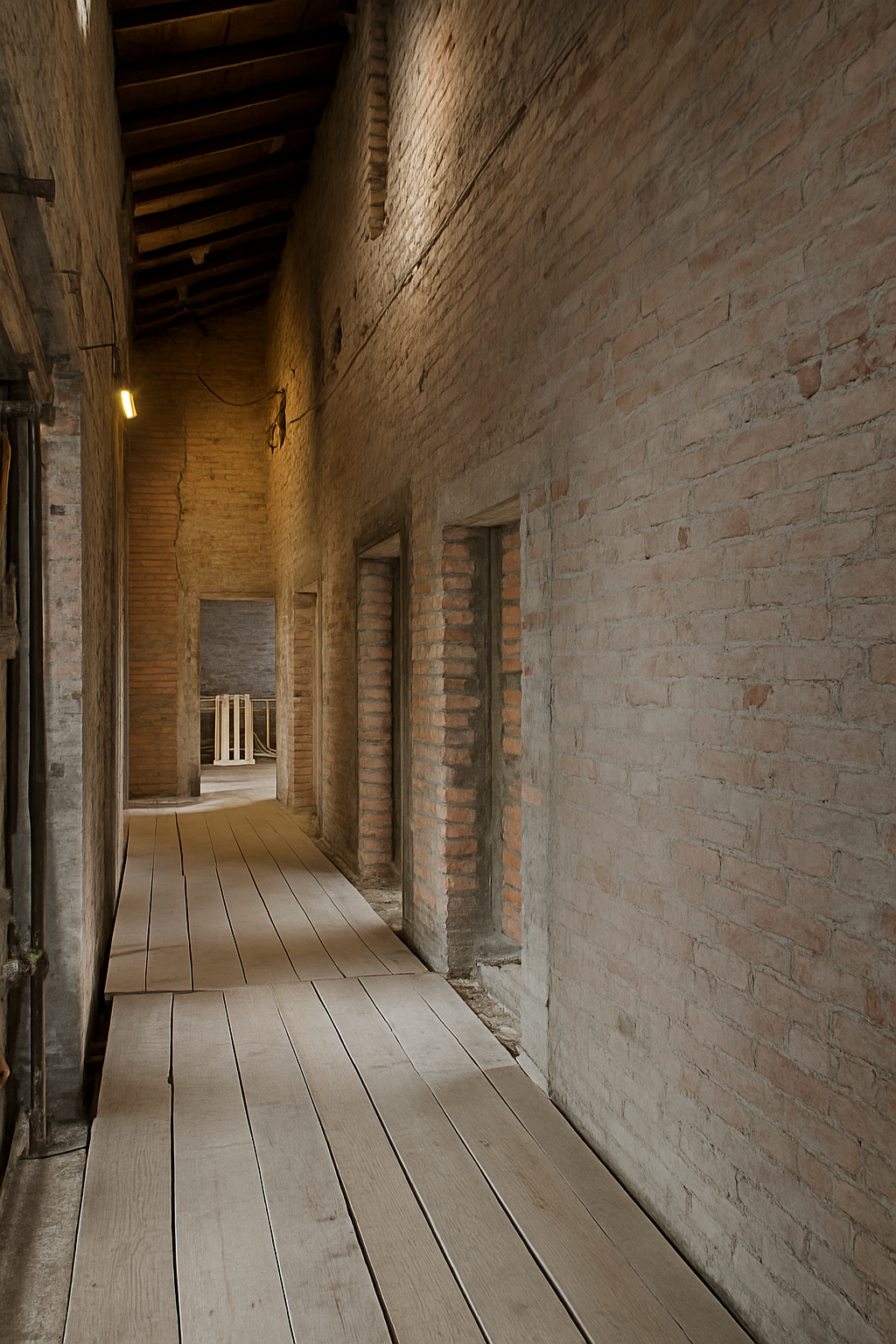
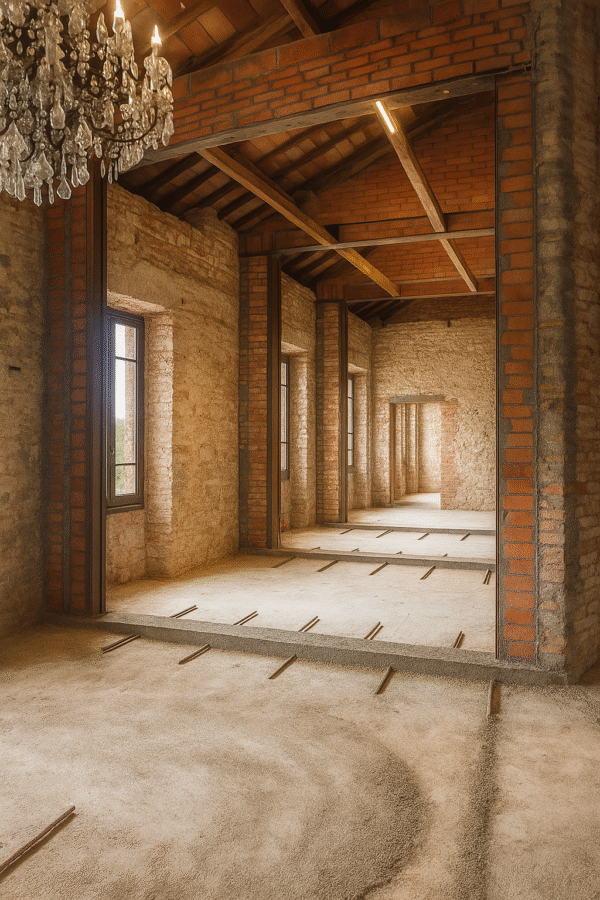
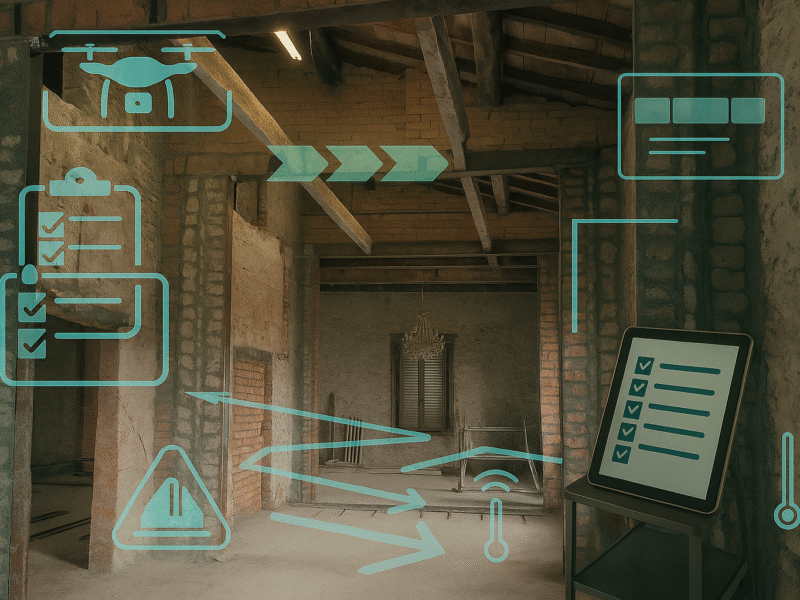
Supervision during the execution phase should not be understood as a static verification activity but as a dynamic process of site governance, integrating technical, managerial, and regulatory skills. The ability to adapt to unforeseen events, manage conflicts between disciplines, and ensure continuity of activities becomes a critical success factor.
Moreover, supervision does not end with the completion of the work: it also serves as a reference for testing, maintenance, and subsequent management, thanks to the traceability of the activities carried out and the materials used.
Supervision and control during the execution phase are central activities for the success of any construction project. They ensure consistency between design and realization, guarantee the quality and safety of the work, and contribute to optimizing time, costs, and resources.
Through advanced methodologies, digital tools, and an interdisciplinary approach, supervision is configured as a strategic element to transform a design idea into a concrete, efficient, and sustainable work.
Ultimately, a well-controlled execution phase represents not only a guarantee of quality but an investment in the lasting value of the building and the safety of those who will use it.