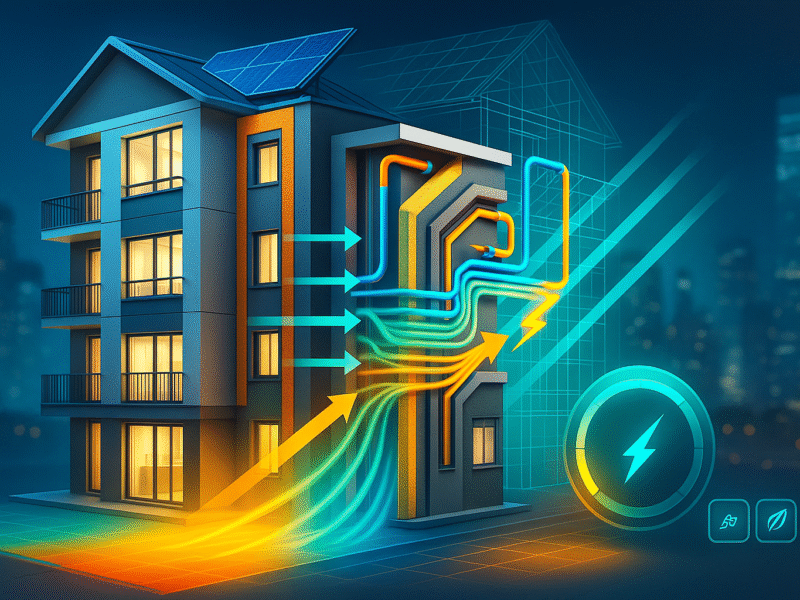
Energy containment models

Cost-benefit analysis as a strategic tool in Project Management

Energy efficiency is one of the main challenges of contemporary construction. Reducing consumption and climate-altering emissions, combined with improving living comfort, represents a strategic goal at both European and international levels. In this scenario, energy containment models play a central role: it is not just about implementing low-consumption technologies, but adopting a systemic approach that analyzes and optimizes the entire building throughout its life cycle.

In the context of detailed executive design, these models become indispensable tools for integrating construction, plant, and management solutions into a coherent framework capable of ensuring certified and measurable performance. A project that does not consider energy containment from the early stages risks generating high operational costs, regulatory non-compliance, and reduced durability.

Definition and fundamental principles

Energy containment models are design and operational methodologies aimed at reducing the energy demand of buildings through:

  • Optimization of the building envelope (thermal insulation, airtightness, solar shading).
  • Integration of high-efficiency systems (heat pumps, VRF systems, LED lighting).
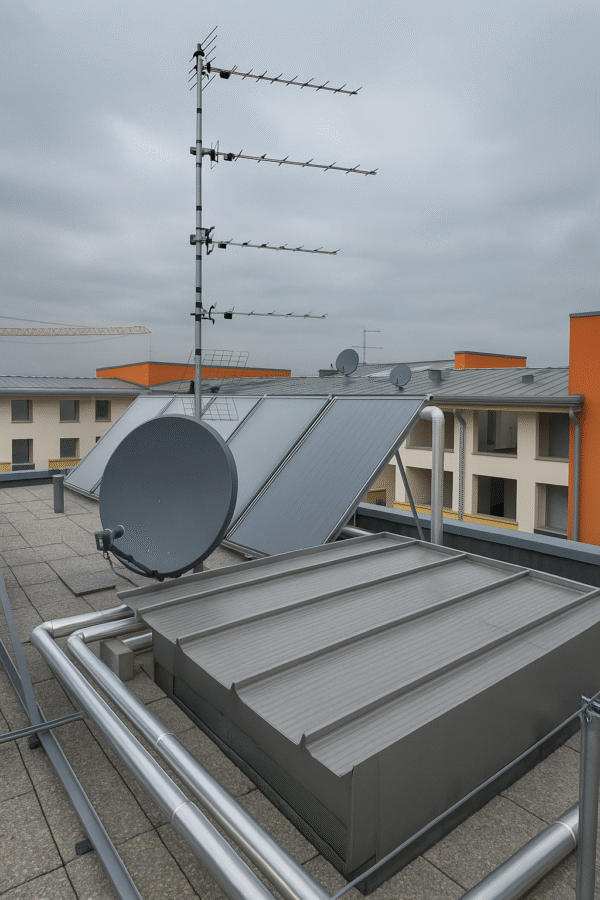
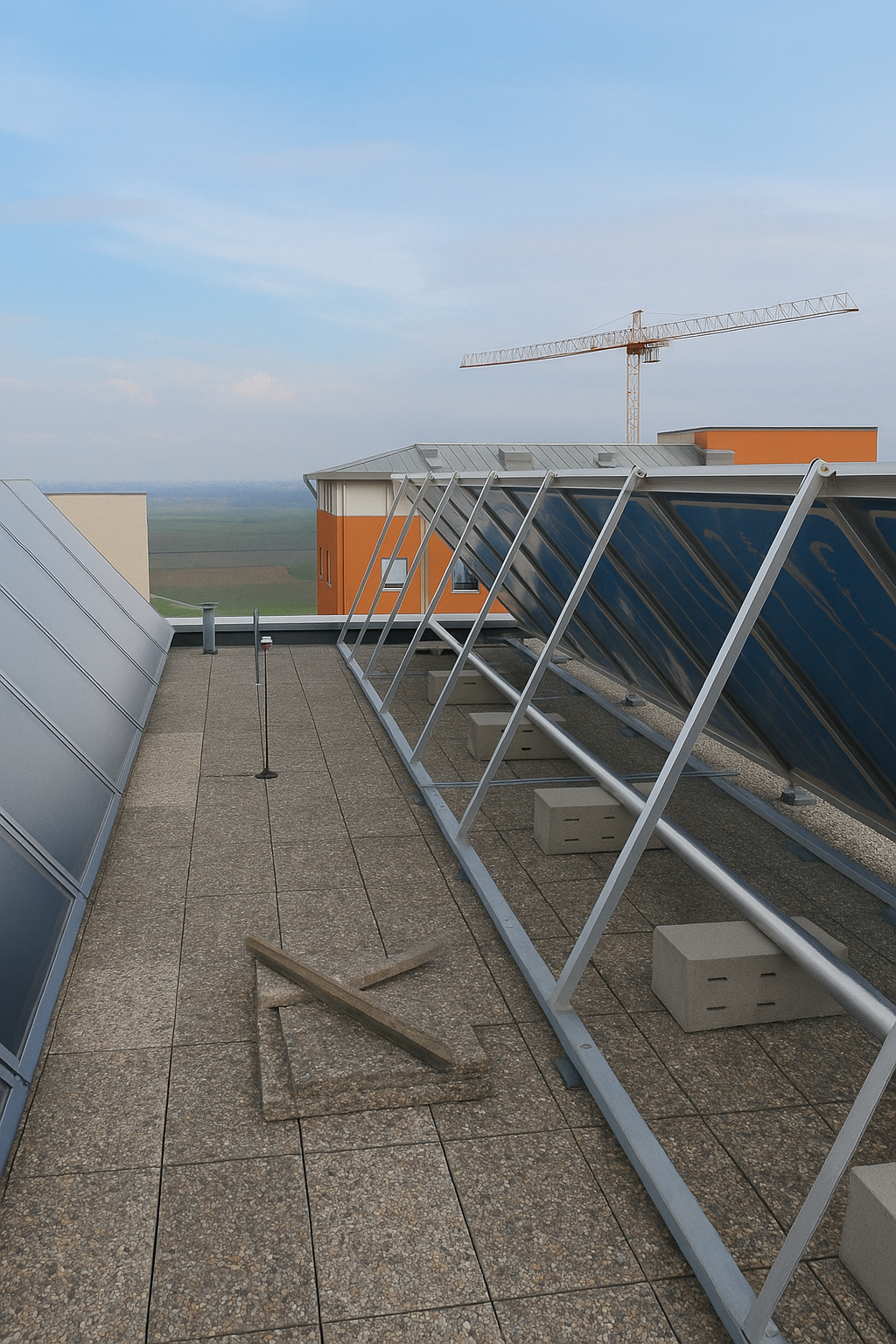
  • Use of renewable sources (photovoltaic, solar thermal, geothermal).
  • Intelligent management of consumption through automation and monitoring systems.

The basic principle is that of the building as a system: not considering individual components in isolation, but as parts of a complex organism where every choice affects overall performance.

Energy containment strategies

1. High-performance building envelope
  • Use of innovative insulating materials (aerogel, vacuum panels, natural fibers).
  • Triple low-emissivity glass windows with thermal break frames.
  • Ventilated facades and green roofs to improve summer protection.
  • Optimal building orientation to harness winter solar radiation.
  • Movable shading and external shading systems.
  • Controlled natural ventilation through solar chimneys and internal atriums.
  • Variable flow air conditioning systems (VRV/VRF).
  • High-efficiency geothermal or air-water heat pumps.
  • LED lighting systems with presence sensors and daylight harvesting.
  • Photovoltaic panels on facades and roofs (BIPV – Building Integrated Photovoltaics).
  • Solar thermal for domestic hot water and heating integration.
  • Hybrid systems with energy storage.
  • Centralized platforms for real-time consumption monitoring.
  • Predictive algorithms to optimize air conditioning based on actual space usage.
  • Integration with digital twin for dynamic performance simulations.

Reference performance parameters

To evaluate and develop energy containment models, reference must be made to measurable technical indicators:
  • EPgl,nren: global non-renewable energy performance index.
  • U-value: thermal transmittance of walls, roofs, and windows.
  • SHGC (Solar Heat Gain Coefficient): solar gain coefficient of glass.
  • Air tightness (n50): number of air changes per hour under standard pressure conditions.
  • COP/EER: performance coefficients of air conditioning systems.
  • Illuminance level (lux): efficiency of artificial lighting systems.

Digital tools support

  • BIM (Building Information Modeling): integration of energy data into multidisciplinary models.
  • Dynamic energy simulation software (EnergyPlus, DesignBuilder, TRNSYS): calculation of energy needs under real conditions.
  • CFD (Computational Fluid Dynamics): analysis of air flows and thermo-hygrometric comfort.
  • Life Cycle Assessment (LCA): environmental assessment of design choices throughout the entire life cycle.

Benefits of energy containment models

  1. Reduction of operational costs
    • Lower energy consumption thanks to high-efficiency systems and envelope.
  2. Regulatory Compliance
    • Compliance with minimum requirements set by European directives (NZEB – Nearly Zero Energy Building).
  3. Environmental comfort
    • Better control of temperature, humidity, air quality, and lighting.
  4. Environmental sustainability
    • Lower CO₂ emissions and contribution to ecological transition.
  5. Property value enhancement
    • High-class energy certifications that increase the market value of the building.

Challenges and issues

  • Initial costs: high-efficiency solutions may involve higher investments.
  • Disciplinary integration: need for coordination between architecture, structures, and systems.
  • Data management: complexity of digital models and need for continuous updating.
  • Specialist skills: requirement for experts in energy simulation and certification.

Integration with the building life cycle

Energy containment models do not end at the design stage:

  • Construction: verification of correct installation of insulators and systems.
  • Operation: real-time monitoring of consumption and predictive maintenance.
  • Refurbishment: updating models for future retrofit interventions.
  • Decommissioning: evaluation of recovery and reuse of materials according to circular economy criteria.

Energy containment models are an essential tool for combining architectural quality, system efficiency, and environmental sustainability. Their application in detailed executive design allows transforming the building into an intelligent system capable of reducing consumption and emissions, improving comfort, and ensuring economic value over time.

In a context where energy efficiency is no longer an option but an essential requirement, investing in accurate energy containment models means designing resilient, high-performance buildings in line with future climate and economic challenges.

Segui i nostri profili social
Privacy Overview

This website uses cookies so that we can provide you with the best user experience possible. Cookie information is stored in your browser and performs functions such as recognising you when you return to our website and helping our team to understand which sections of the website you find most interesting and useful.