
In every building project, the design of systems represents a crucial phase to ensure efficiency, safety, comfort, and sustainability. While the structure and architecture form the framework and aesthetic identity of a building, the systems determine its daily functionality and operational performance. The increasing technological and regulatory complexity, combined with the push towards low-energy and highly digitally integrated buildings, makes system design a strategic element for the overall quality of the project.
Modern system design does not merely define technical distribution schemes but adopts a multidisciplinary approach involving energy, environmental, regulatory, and economic aspects. A well-designed system not only meets immediate needs but integrates harmoniously with architecture and structure, helping to reduce management costs and increase the property’s value throughout its lifecycle.
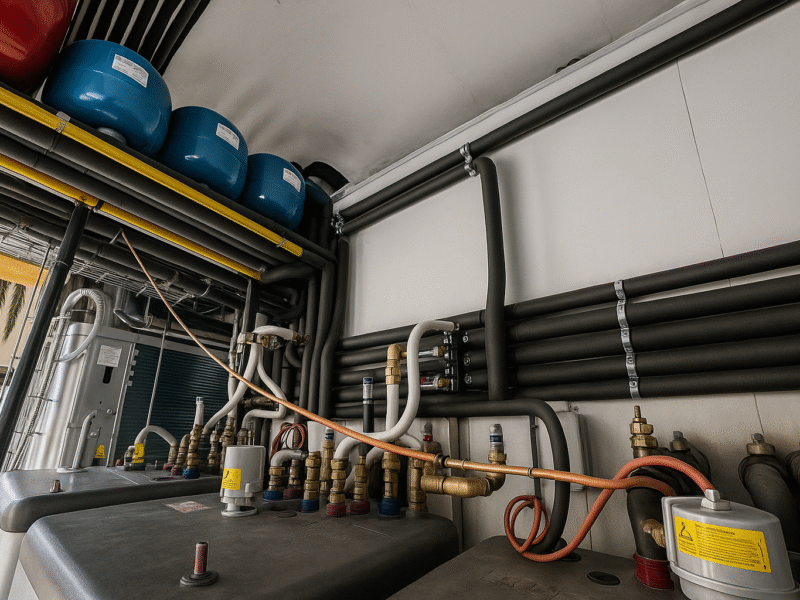
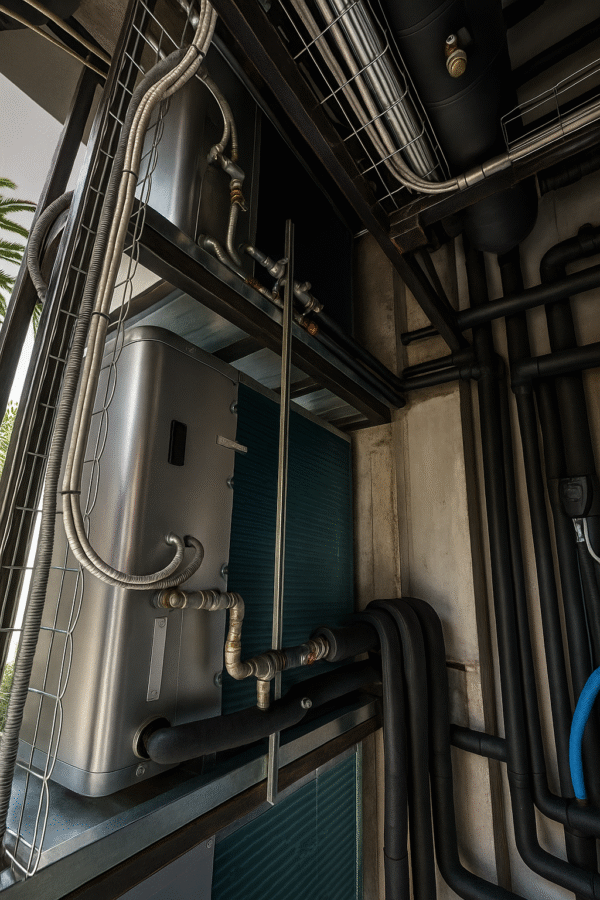
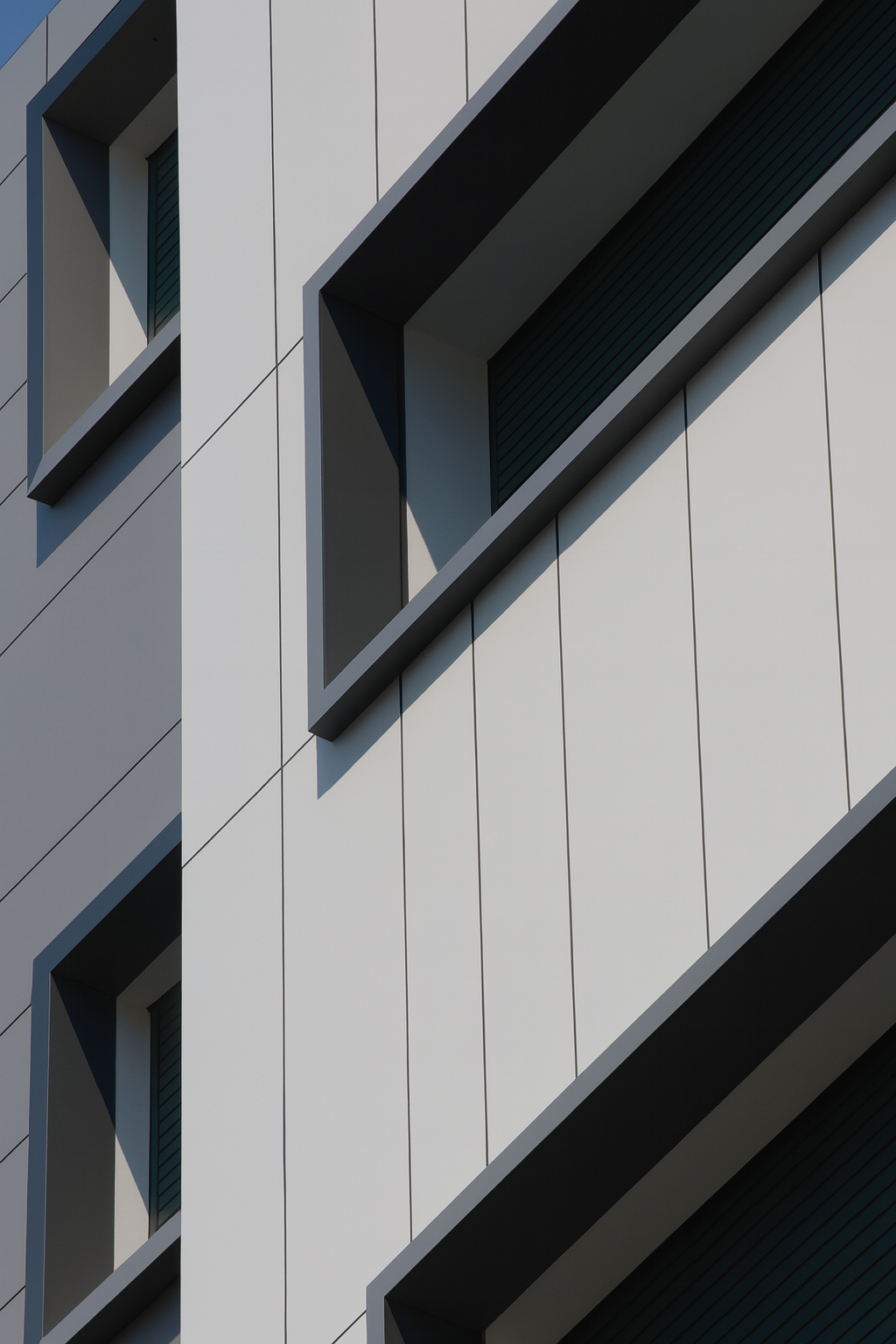
Tools and methodologies to support
Today’s system design leverages advanced digital tools and interdisciplinary integration methodologies:
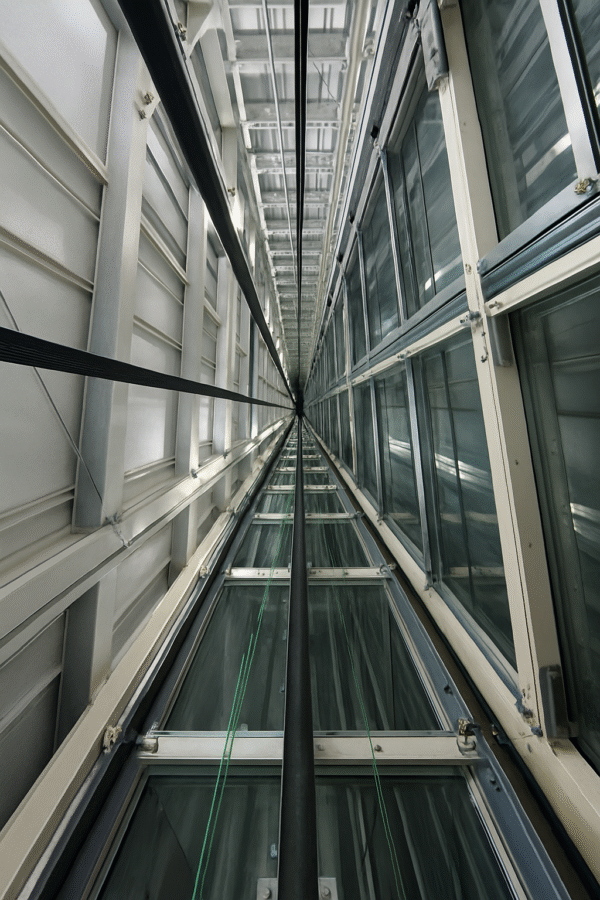

Coordination between systems, architecture, and structures:
System design is a fundamental pillar of modern construction, on par with architectural and structural design. It requires multidisciplinary skills, advanced digital tools, and a life-cycle-oriented integrated approach.
A carefully designed system is not just a technical system, but an element that significantly contributes to the building’s quality, user safety, environmental sustainability, and management efficiency.
Ultimately, system design is the key to creating functional, resilient building projects capable of meeting contemporary societal challenges, ensuring high performance and lasting value over time.