
Contemporary construction is at the center of an unprecedented transformation, driven by the advancement of emerging technologies. These tools, ranging from digital modeling to augmented reality, artificial intelligence to digital twin, allow for a radical rethinking of processes and methodologies, with the aim of improving efficiency, sustainability, and quality of the built environment.
In a sector historically characterized by slow technological adoption, the introduction of advanced digital solutions represents a strategic opportunity: not only to reduce errors and processing times but also to address challenges related to climate change, resource scarcity, and the increasing complexity of projects. The use of these technologies is no longer an option but a fundamental requirement to ensure competitiveness and resilience.
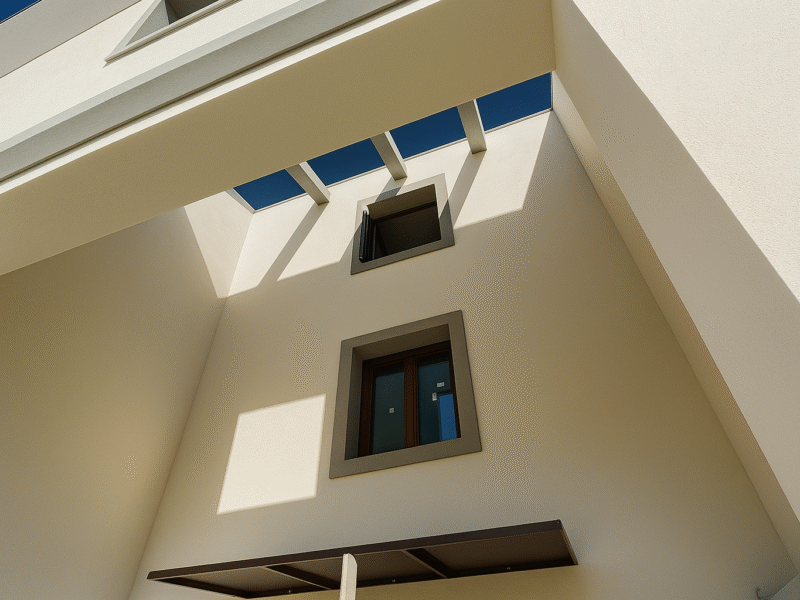
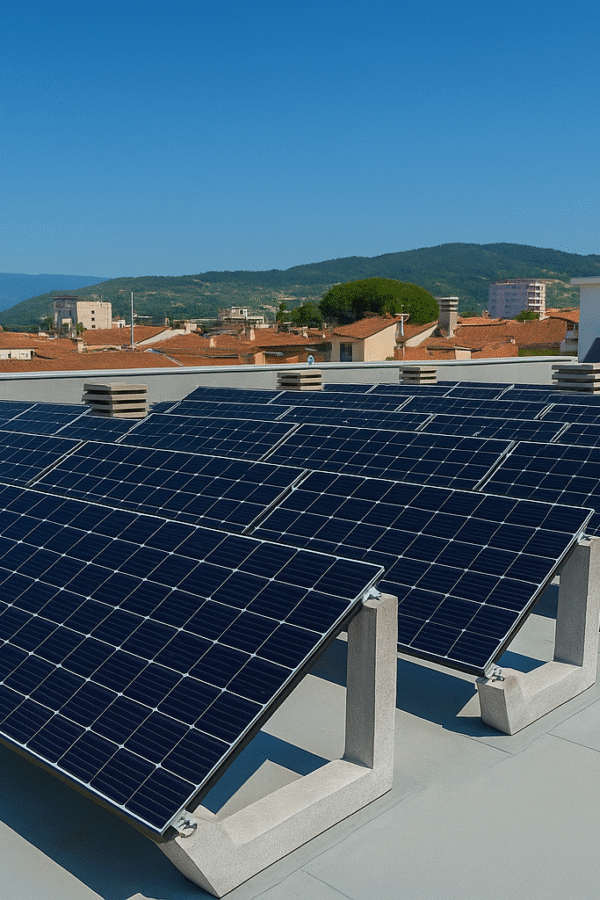
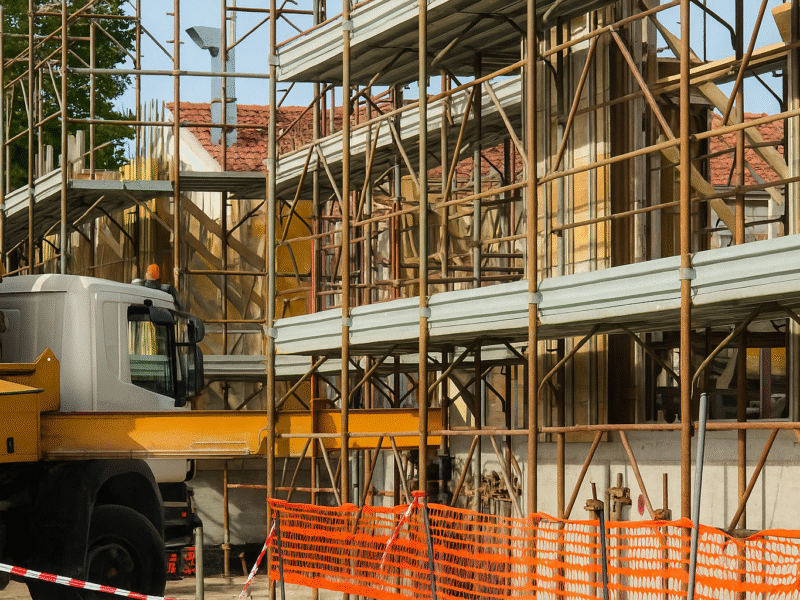
Emerging technologies are not limited to the design or construction phase but accompany the entire building life cycle:
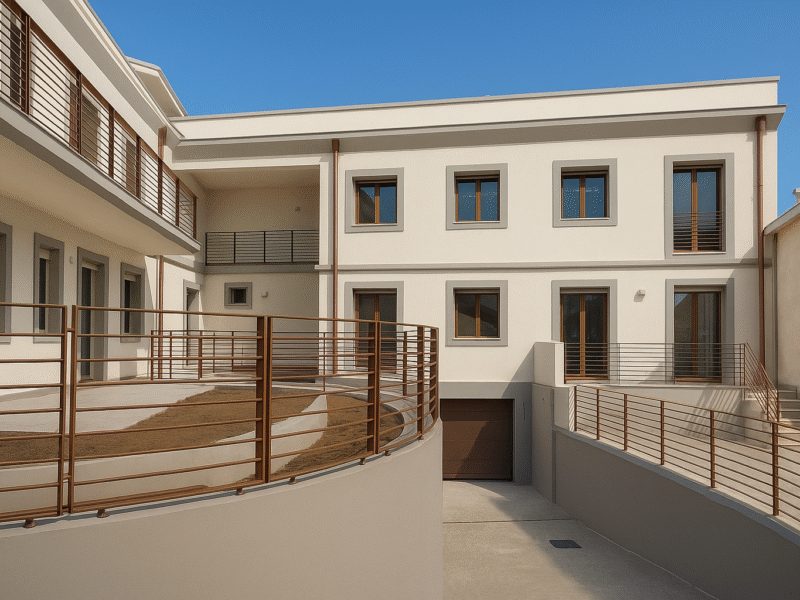
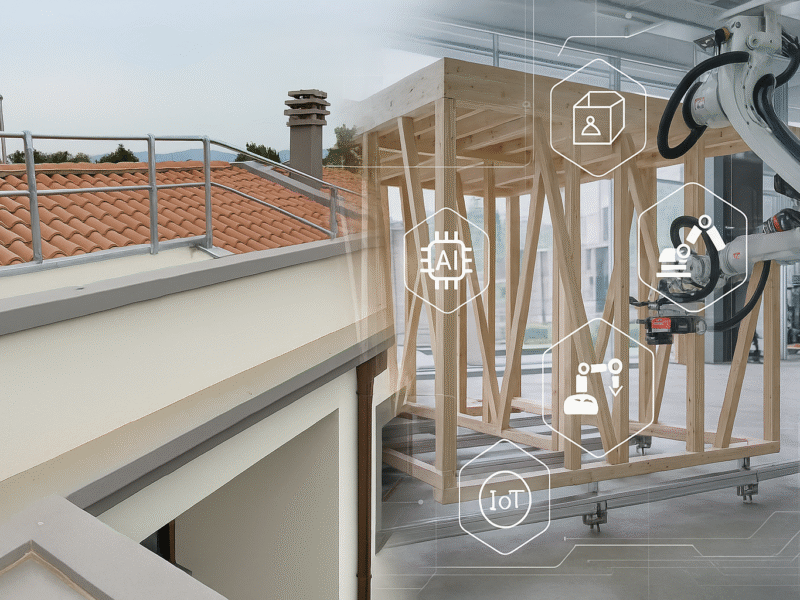
Emerging technologies represent a strategic lever for innovation in construction. Thanks to their ability to integrate design, construction, and management into a single digital flow, they enable the creation of more efficient, safe, and sustainable works.
The adoption of tools such as advanced BIM, digital twin, AR/VR, AI, and IoT is not just a technological choice but a cultural change that radically transforms the way constructions are conceived and realized.
Ultimately, the use of emerging technologies allows for addressing modern challenges, reducing waste, increasing the resilience of works, and ensuring lasting value for clients and communities. They form the basis for truly digital construction, capable of combining innovation, efficiency, and environmental responsibility.