
The construction sector is currently at the forefront of challenges posed by climate change and the need to reduce the environmental impact of human activities. Buildings are responsible for a significant share of CO₂ emissions, energy consumption, and the use of natural resources. In this context, the adoption of eco-sustainable solutions represents not only an ethical choice but also a technical, regulatory, and economic necessity.
Integrating sustainability strategies into construction processes allows for improved energy efficiency, reduced management costs, enhanced property value, and ensures the well-being and health of end-users. At the same time, eco-sustainable solutions serve as tools to align with international decarbonization goals and European standards on ecological transition.
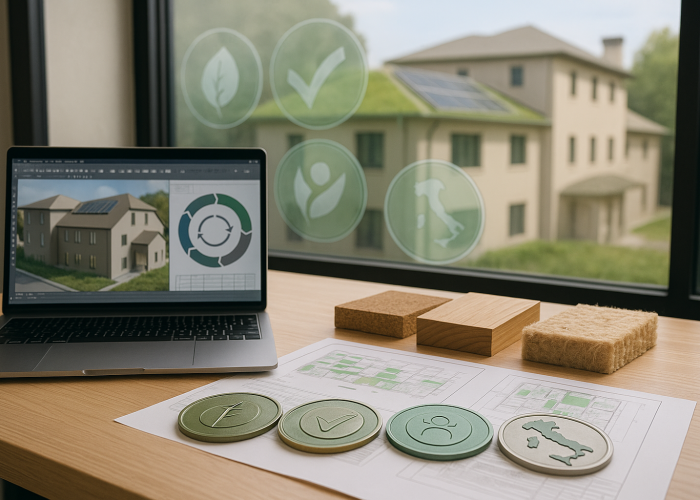
Eco-sustainable solutions in construction are based on several fundamental technical principles:
Reducing energy demand is the first step towards sustainability. This is achieved through:
The use of renewable sources is essential to achieve carbon neutrality:
The water cycle in buildings can be optimized through:
The choice of materials plays a central role:
The integration of digital systems allows for constant monitoring of environmental performance:
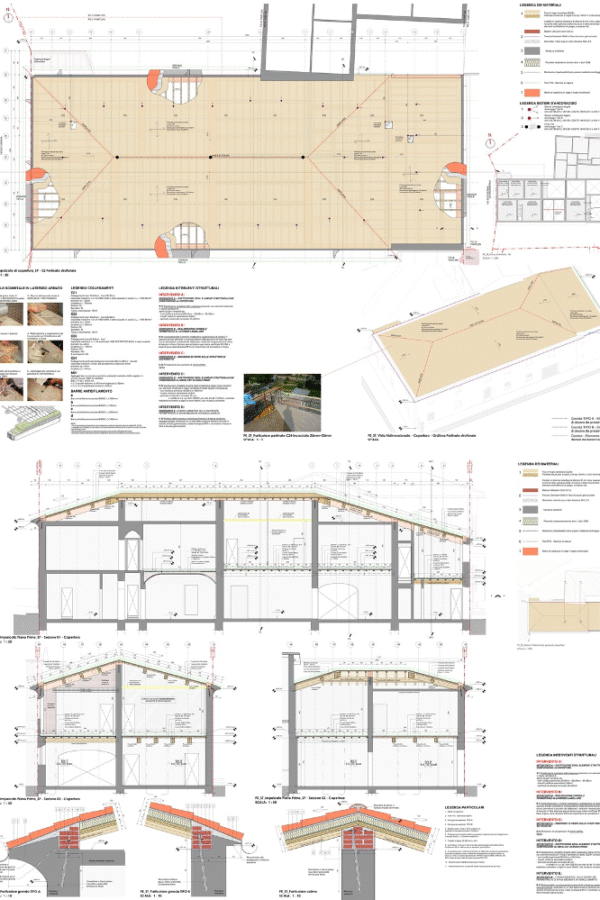
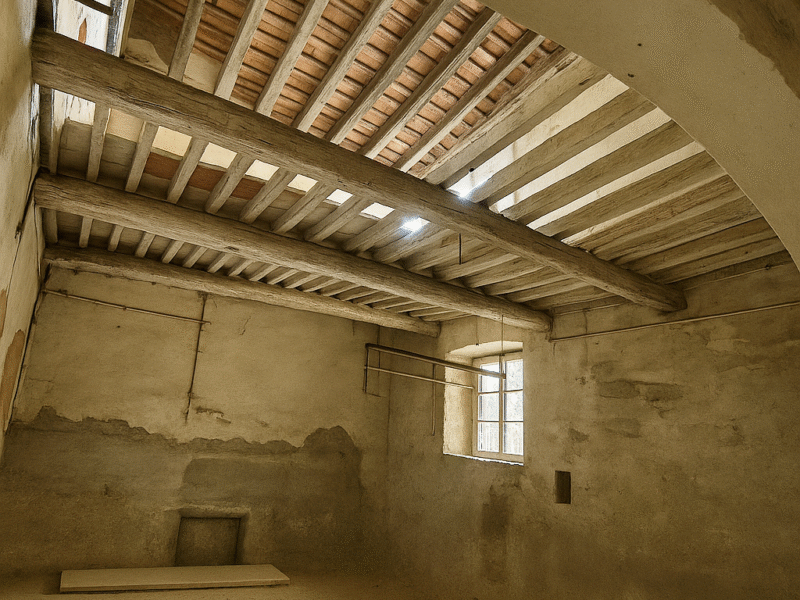
Eco-sustainable solutions in construction are often verified and enhanced through internationally recognized certifications, including:
These tools provide objective criteria to measure environmental quality and stimulate continuous improvement.
Eco-sustainable solutions require an integrated and interdisciplinary approach. Architects, engineers, urban planners, economists, and environmental experts must collaborate from the early design stages, in a process that simultaneously considers technical feasibility, economic sustainability, and social impacts.
Tools such as Building Information Modeling (BIM) and Life Cycle Costing (LCC) methodologies allow for the integration of energy, economic, and environmental assessments, ensuring that design choices are consistent throughout the entire building life cycle.
The adoption of sustainable strategies in construction generates tangible and measurable benefits:
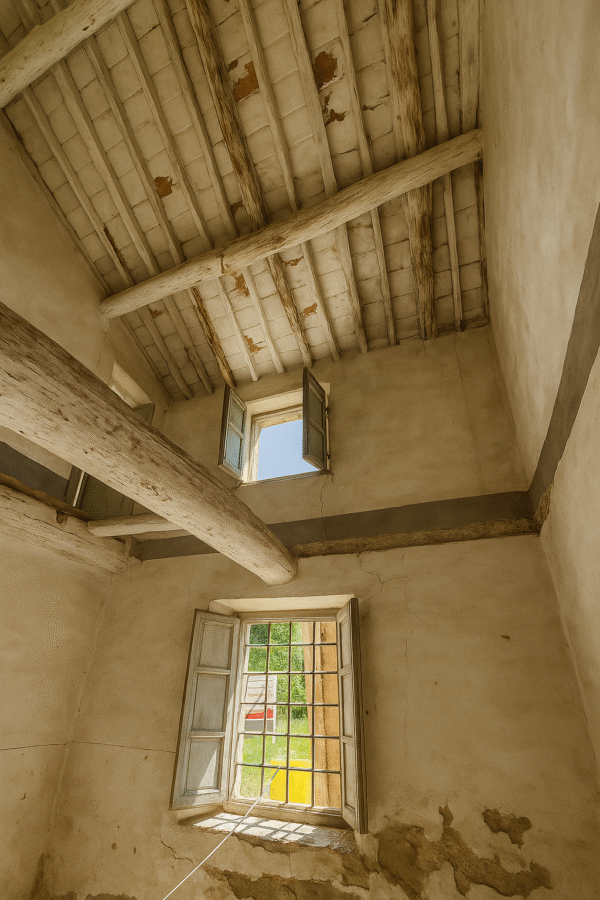
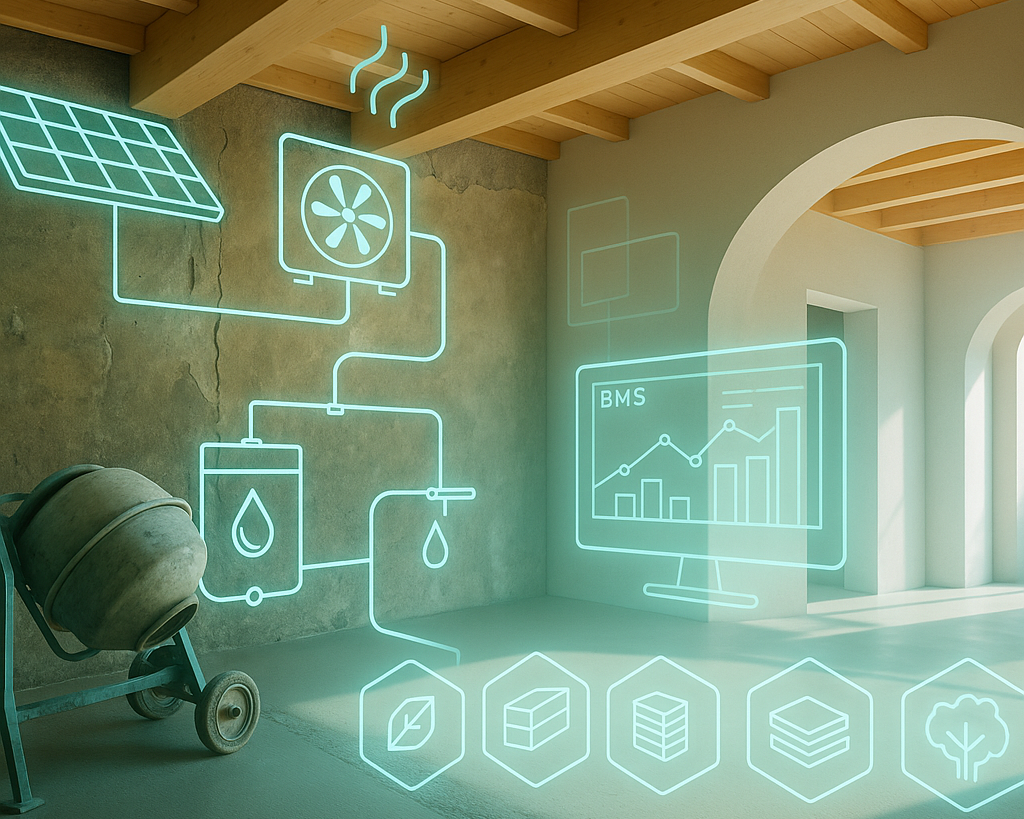
Eco-sustainable solutions are no longer an optional choice but an essential requirement for present and future construction. They represent the convergence of technological innovation, environmental responsibility, and economic necessity, contributing to transforming the construction sector into a driver for ecological transition.
An integrated approach, based on efficient technologies, low-impact materials, and intelligent management systems, significantly reduces the environmental footprint of buildings while improving user well-being and urban resilience.
Ultimately, investing in eco-sustainable solutions means building structures capable of lasting over time, respecting the environment, and generating shared value for the community.