
In construction, the architectural and engineering conception of the work constitutes the foundational phase of every project. It is at this moment that creative vision and technical rigor merge to create solutions that must be aesthetically pleasing, functional, safe, and sustainable. The conception is not limited to translating needs into a design concept but represents a methodical and multidisciplinary process in which strategic directions, constraints, expected performance, and integration methods between architecture, structures, and systems are defined.
A well-conceived work is one that successfully addresses three fundamental challenges simultaneously: ensuring comfort and usability for users, complying with regulatory and environmental constraints, and ensuring durability and resource optimization throughout the entire lifecycle.
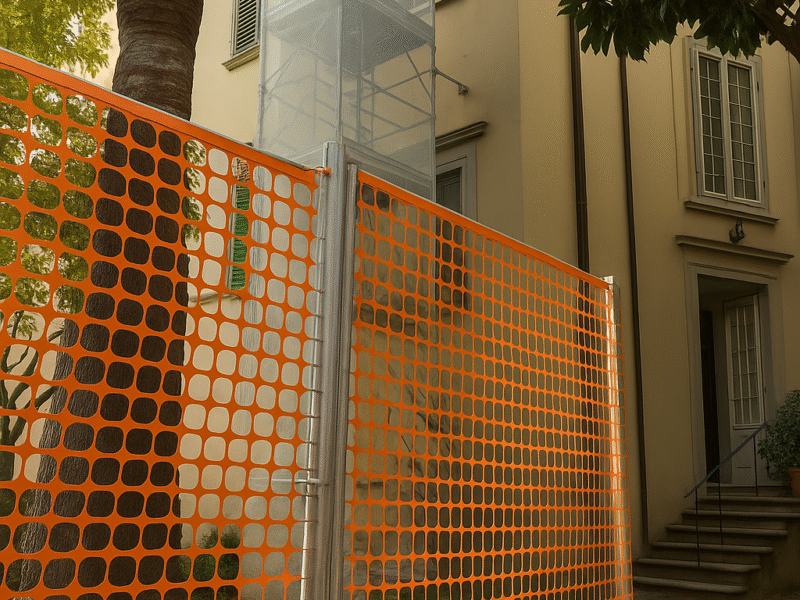
Architectural conception is not an isolated creative act but a structured process:
Study of the site, regulatory constraints, and client requirements.
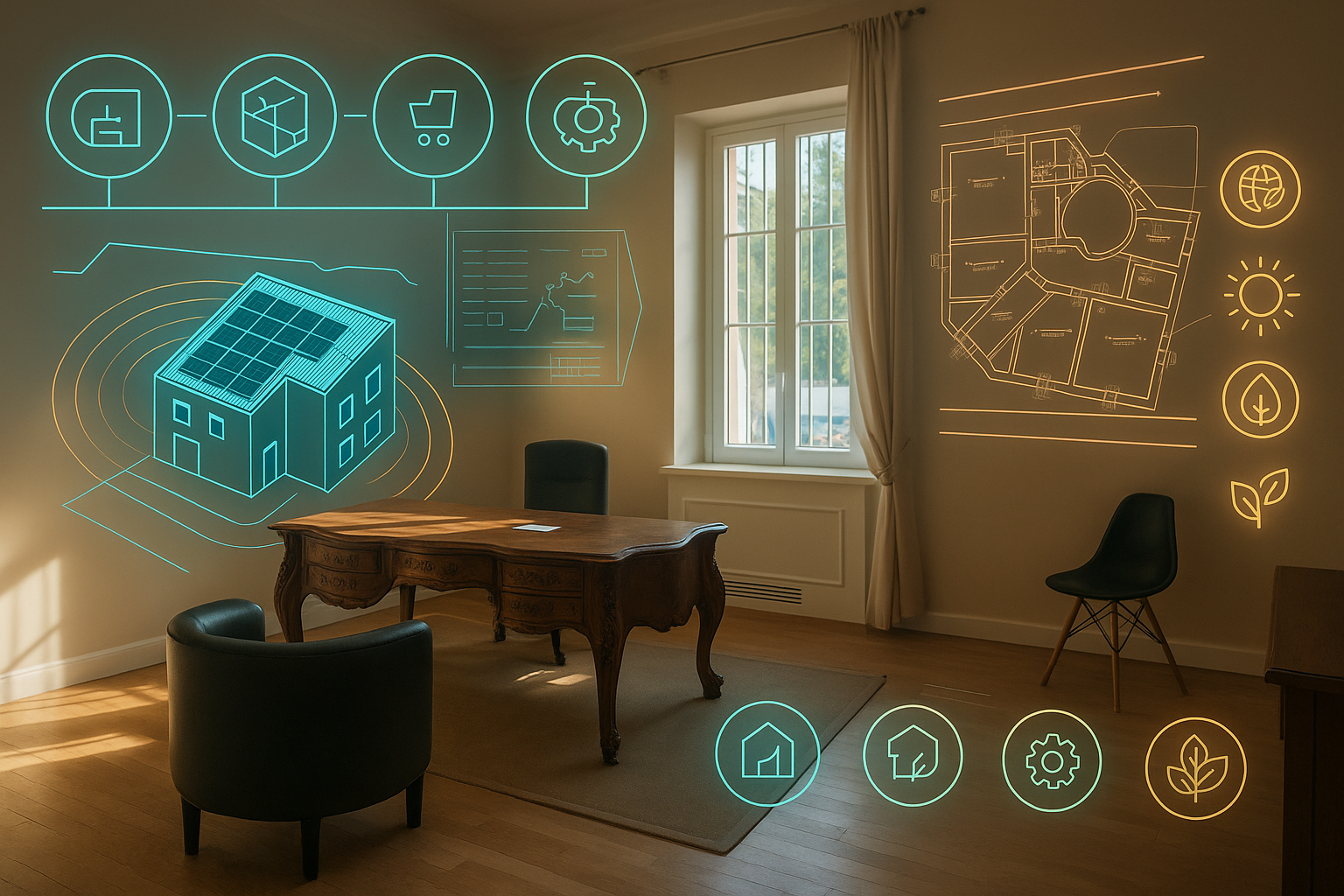
Definition of volumes, shapes, and functions through planimetric schemes and 3D models.
Development of spatial solutions coordinated with structural and plant choices.
Use of digital tools to evaluate natural lighting, thermal comfort, acoustics, and mobility flows.
Balancing architectural identity and technical performance.
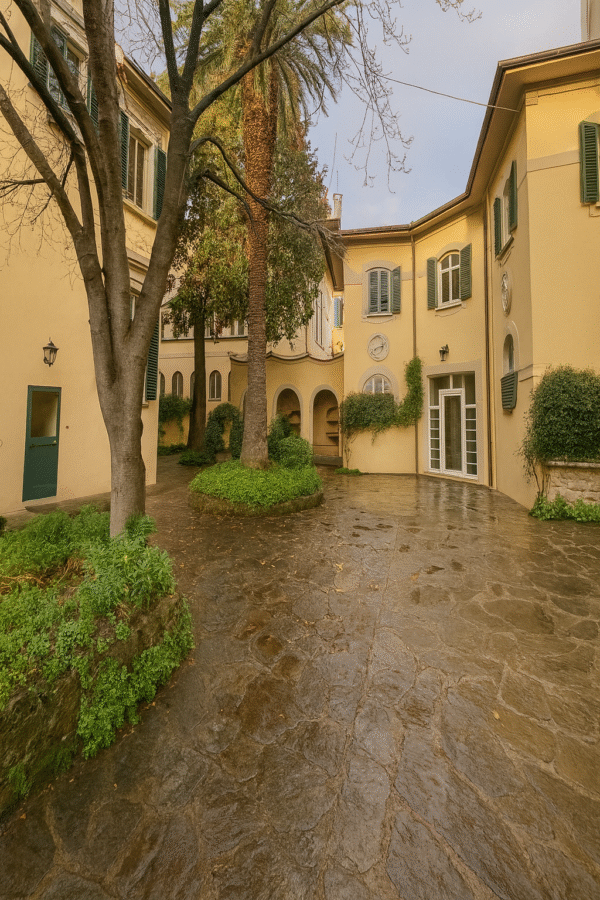
In parallel with architecture, engineering defines the technical and operational foundations of the project:
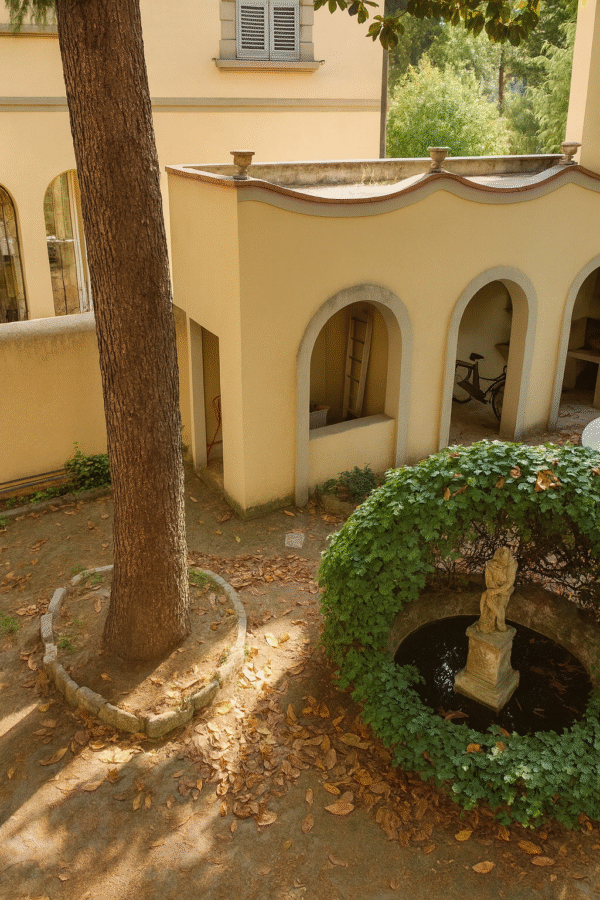
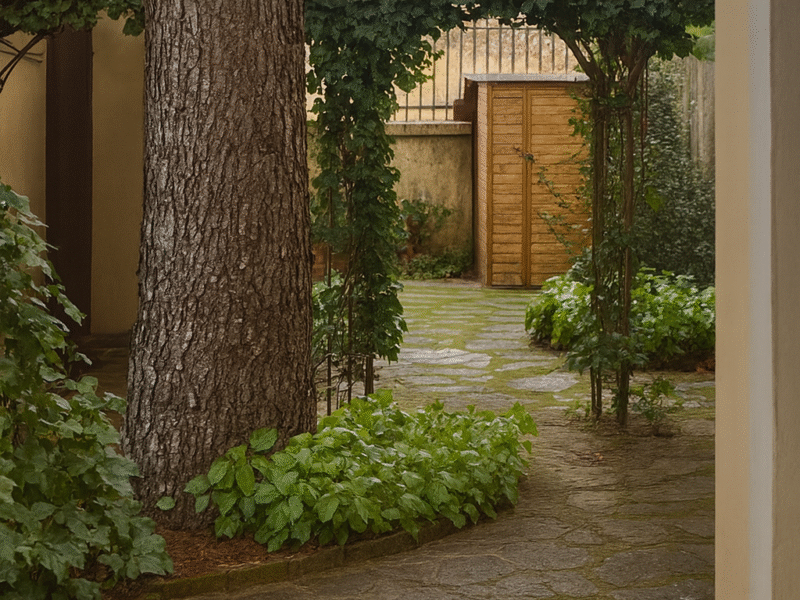
Today, architectural and engineering conception is supported by advanced tools that allow for unprecedented precision and integration:
The architectural and engineering conception of the work represents the matrix on which the entire design and construction development depends. It must reconcile aesthetic vision and technical rigor, comply with regulatory and environmental constraints, ensure high performance, and generate long-term value.
Thanks to the integration between architecture, structures, and systems, supported by digital tools and an interdisciplinary approach, it is possible to transform ideas into functional, safe, sustainable, and recognizable building works.
Ultimately, conception is not just the starting point but the strategic element that determines the quality, efficiency, and resilience of the work throughout its lifecycle.