Preliminary design plan

Analysis, method, and vision for integrated project management

In the construction sector, the preliminary design phase plays a crucial role in the success of any intervention, whether it is new construction or renovation. It is at this stage that the project takes shape, transforming functional and aesthetic needs into feasible technical solutions capable of addressing regulatory, economic, and environmental constraints.

The preliminary design plan does not merely define an architectural concept but constitutes an organic and multidisciplinary document that gathers analyses, simulations, and initial feasibility checks. It serves as the foundation for the subsequent phases of detailed and executive design, reducing the risks of changes during construction, extra costs, and delays. Its importance lies in its ability to ensure consistency, sustainability, and resource optimization throughout the entire lifecycle of the work.
Main objectives of the preliminary design plan

  1. Translation of the client’s needs into clear and measurable technical, functional, and aesthetic objectives.
  2. Analysis of the territorial and regulatory context, including urban, landscape, and environmental constraints.
  3. Technical-economic feasibility check, through preliminary estimates of costs, times, and necessary resources.
  4. Interdisciplinary integration, involving architecture, structural engineering, plant design, and economics.
  5. Definition of alternative scenarios, to compare design solutions according to performance, environmental, and economic criteria.

Technical contents of the preliminary design plan

A well-structured preliminary plan includes various documents and analysis reports, including:

1. Illustrative report

Description of the objectives, design strategies, and functional needs to be met.

Initial graphic representations of the work, including territorial context.

Study of geomorphological, hydrogeological, and climatic characteristics.

Preliminary evaluations of foundations, load-bearing structures, and construction systems.

Preliminary solutions for HVAC, electrical, plumbing, and technological systems.

Approximate quantification of construction and management costs.

Compliance with building regulations, seismic standards, energy efficiency, and accessibility requirements.

Preliminary assessments of impacts and opportunities for integration with renewable sources.
Tools and methodologies to support

The drafting of a preliminary design plan today utilizes digital tools and advanced methodologies:

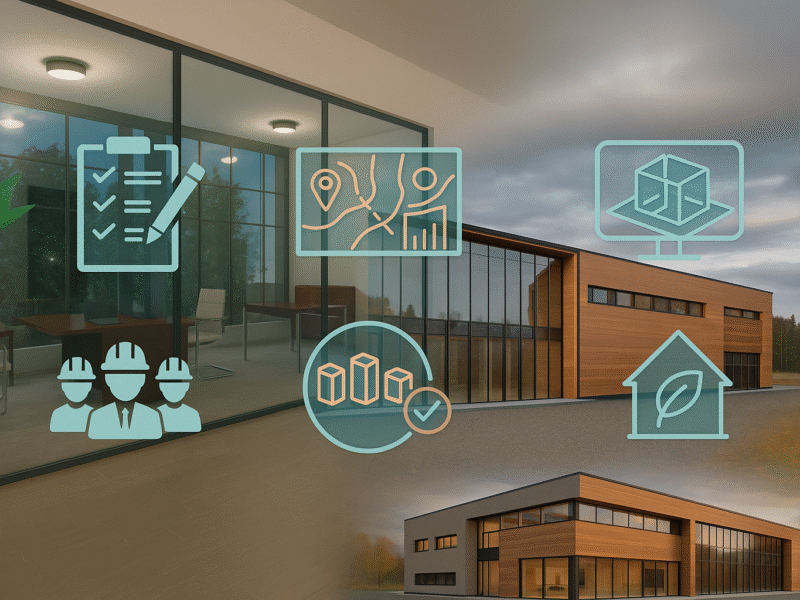
  • Building Information Modeling (BIM): collaborative platforms that allow the integration of architectural, structural, and plant data already in the preliminary phase.
  • Multicriteria Analysis (MCA): evaluation tools to compare alternative design scenarios based on multiple parameters.
  • Energy and environmental simulations: calculation software to estimate consumption, emissions, and thermal-hygrometric comfort.
  • GIS (Geographic Information System): for territorial analyses and project framing in the urban and environmental context.
  • Life Cycle Thinking: application of LCA (Life Cycle Assessment) and LCC (Life Cycle Costing) principles from the early stages.

Benefits of an accurate preliminary plan

A preliminary plan drafted with technical rigor and a multidisciplinary approach ensures significant advantages:
  1. Risk reduction
    • Prevention of design and execution issues.
    • Greater reliability of time and cost forecasts.
  2. Resource optimization
    • More efficient use of materials, technologies, and labor.
    • Better budget and timeline management.
  3. Greater sustainability
    • Early integration of solutions to reduce environmental impact.
    • Preparation of strategies for energy efficiency and water management.
  4. Decision support
    • Objective comparison between alternative scenarios.
    • Informed involvement of stakeholders and the client.
  5. Facilitation of authorization processes
    • Clear and complete documentation for dialogue with competent authorities.
    • Reduction of time for obtaining permits and authorizations.

Integration of architecture – engineering – systems

One of the central aspects of the preliminary design plan is the ability to ensure integration between disciplines:

  • Architecture defines the volumes, functions, and aesthetic identity of the work.
  • Structural engineering verifies technical feasibility and safety, considering geotechnical and seismic conditions.
  • Plant engineering ensures energy efficiency, healthiness, and comfort of spaces.
  • Environmental and economic experts complete the picture with sustainability and cost assessments throughout the lifecycle.

Interdisciplinary approach and process governance

To ensure an effective preliminary plan, a governance model based on collaboration is necessary:
  • Multidisciplinary workshops: moments of discussion among professionals to coordinate choices.
  • Shared digital platforms: tools for continuous updating and data transparency.
  • Stakeholder engagement: involvement of interested parties (clients, public bodies, local communities).

The preliminary design plan is the cornerstone for the success of any construction project. It translates needs, constraints, and opportunities into a clear and shared strategy, laying the foundation for design and construction development.

Through the integration of architecture, engineering, and systems, the use of digital tools, and an interdisciplinary approach, the preliminary plan allows for risk reduction, resource optimization, and sustainability assurance.

Ultimately, investing time and expertise in the preliminary design phase means ensuring quality, efficiency, and lasting value to the construction work throughout its lifecycle.

Privacy Overview

This website uses cookies so that we can provide you with the best user experience possible. Cookie information is stored in your browser and performs functions such as recognising you when you return to our website and helping our team to understand which sections of the website you find most interesting and useful.