
Report management represents a strategic element for the success of construction projects. In a context characterized by high organizational complexity, numerous stakeholders involved, and stringent time, cost, and quality constraints, reports are the main tool for monitoring, documenting, and communicating the progress of the construction site.
Within a model based on the general contractor, reporting is not only descriptive: it becomes a true system of control and governance. Through the collection, analysis, and dissemination of technical, economic, and organizational data, it is possible to support decisions, ensure transparency towards the client, and align suppliers and subcontractors with project objectives. Without a structured reporting system, the risk of errors, inefficiencies, and disputes increases, with direct consequences on quality and completion times.
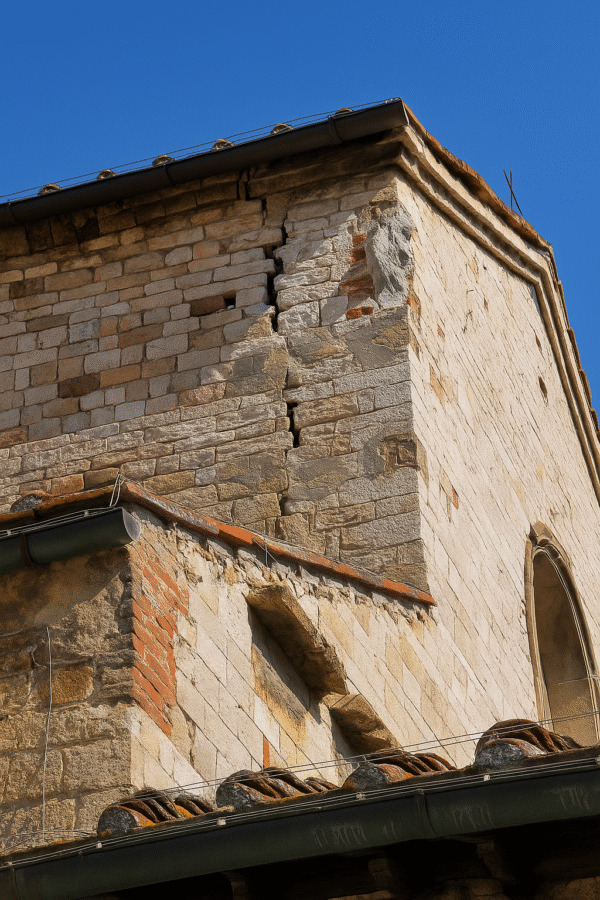
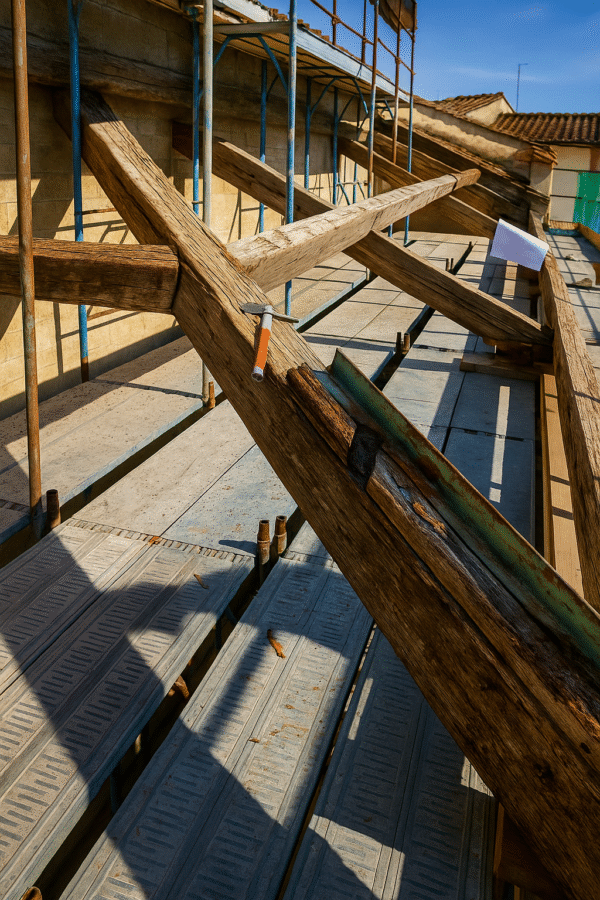
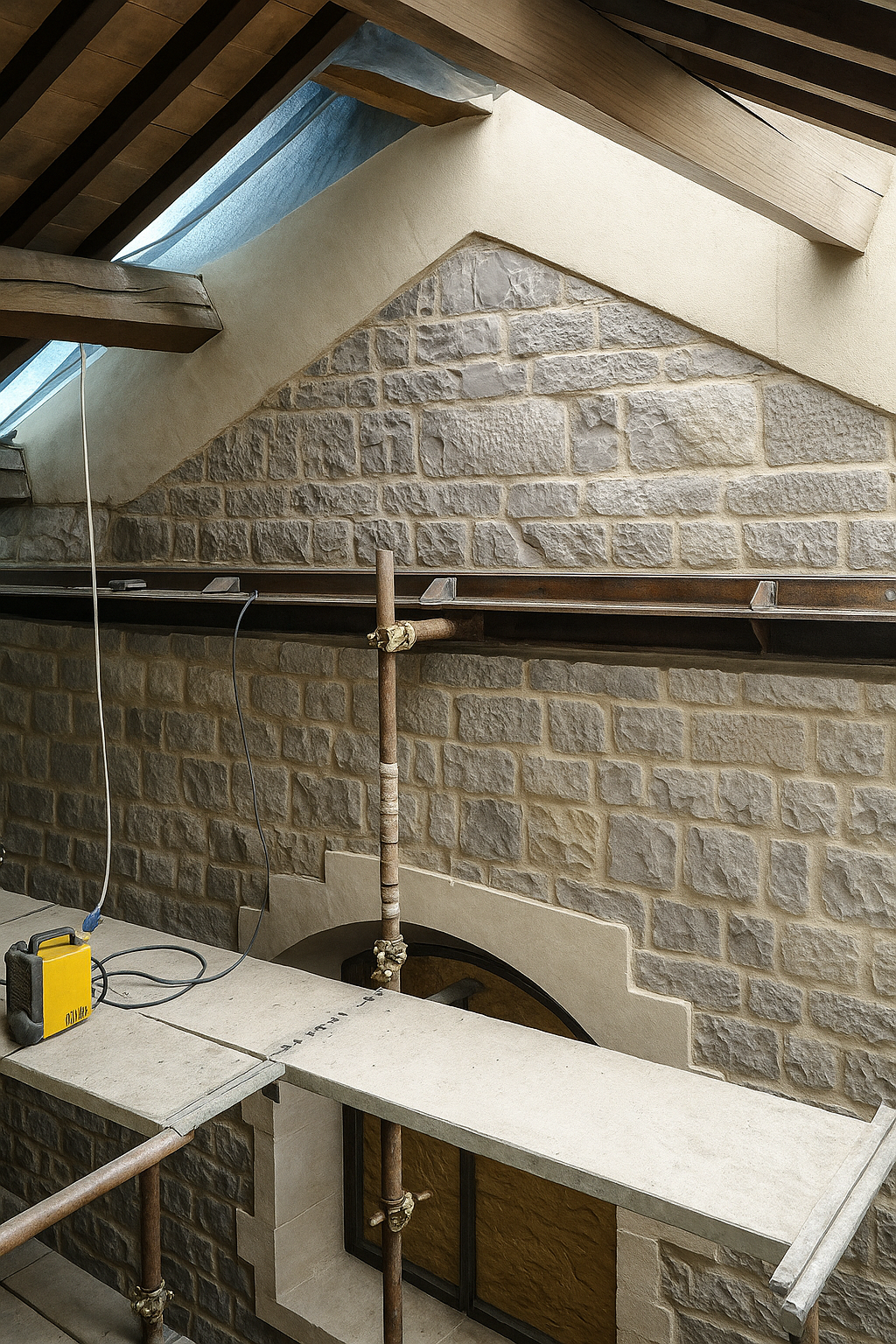
Reporting accompanies the entire project cycle:
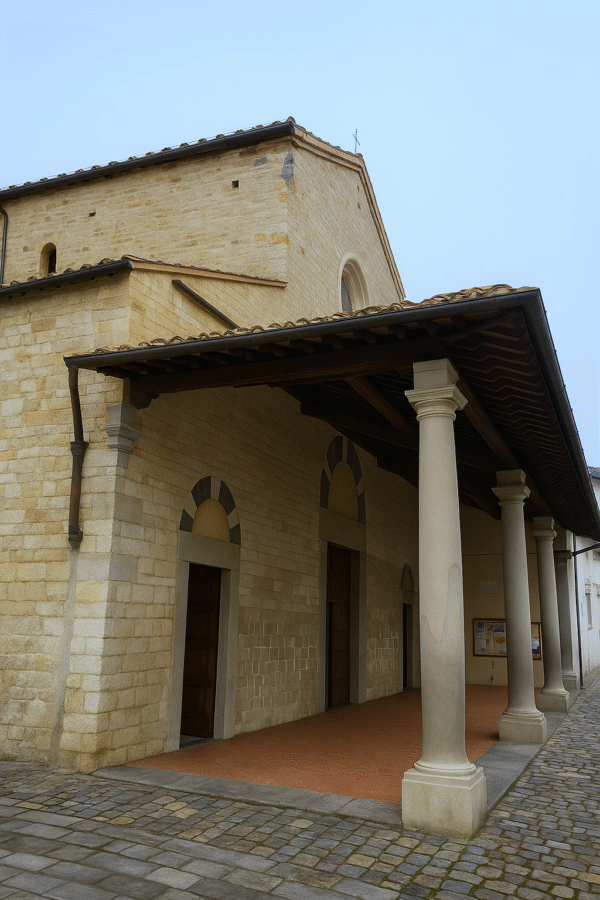
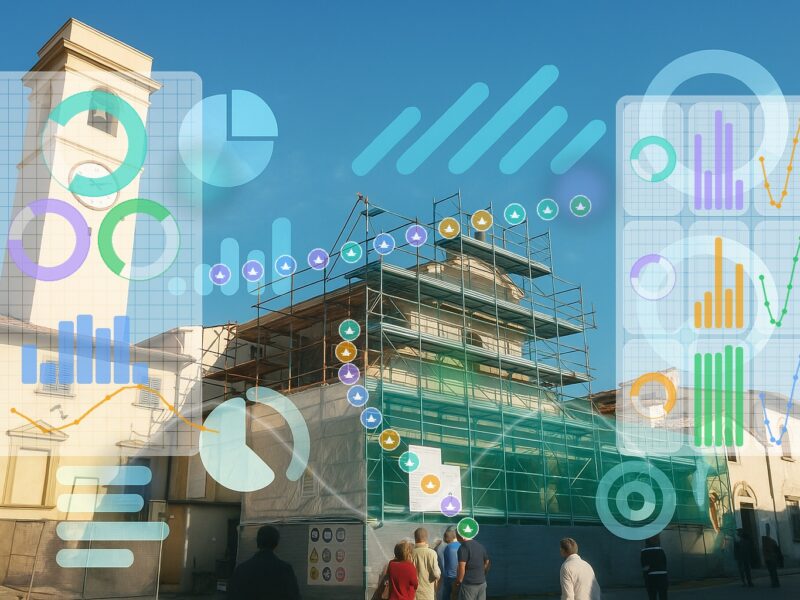
Report management in construction is an essential project governance tool. It does not just record progress but becomes an integral part of the control system, improving transparency, quality, and safety of the construction process.
In a general contractor approach, reporting allows complex data to be transformed into strategic information, reducing risks and promoting timely and informed decisions. Investing in digital tools and structured methodologies for report management means building not only buildings but also efficient, traceable, and sustainable processes.