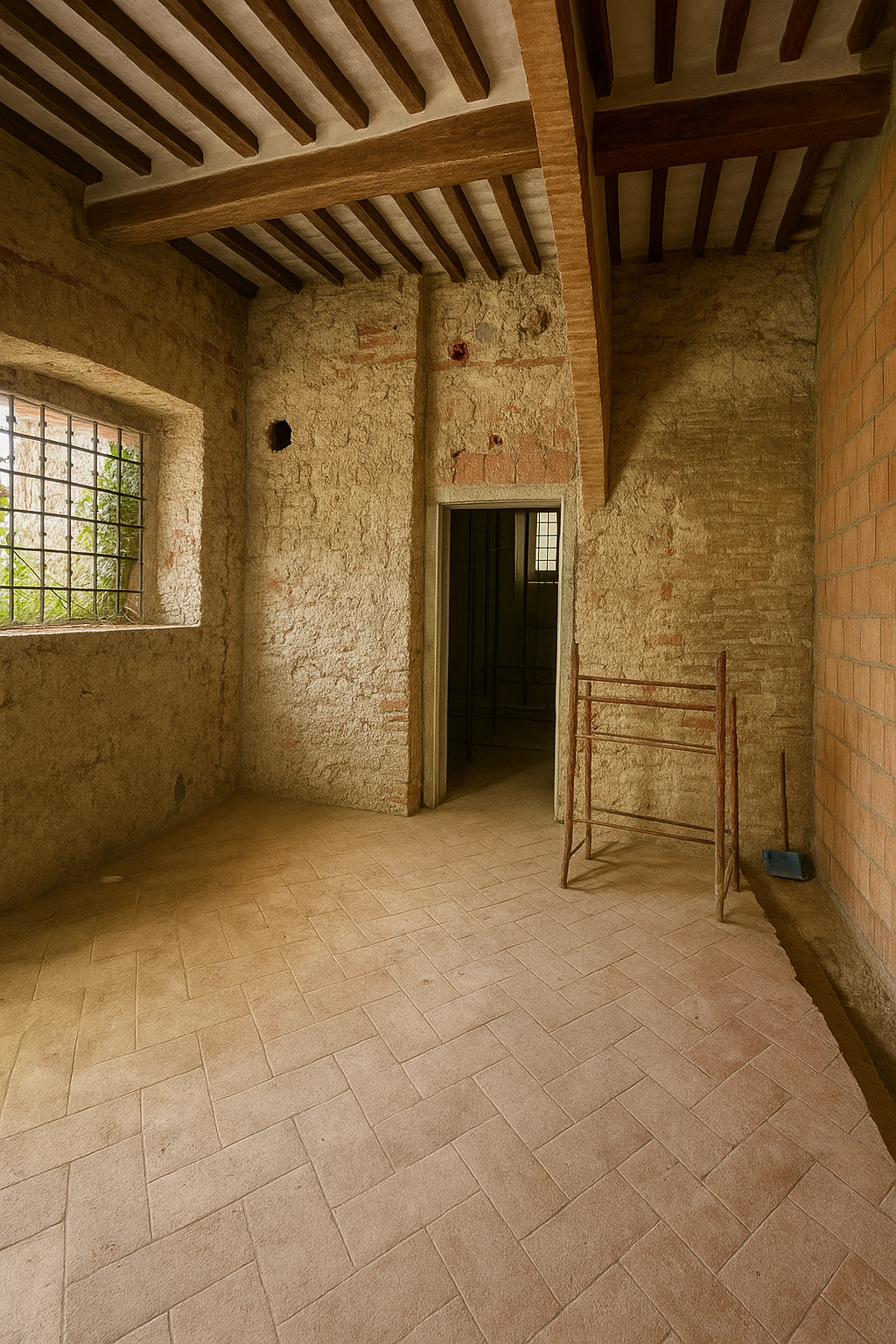
Control of site operations

Cost-benefit analysis as a strategic tool in Project Management

The control of site operations represents a crucial phase in the construction process, as it translates executive planning into practical activities, ensuring that each operation is carried out in compliance with timelines, costs, and project specifications. Without continuous and systematic monitoring, the risk of errors, inefficiencies, or non-compliance increases significantly, compromising the final quality of the work and negatively impacting the economic and environmental sustainability of the project.

In the context of detailed executive design, operational control is not just a supervisory activity but a true technical-management process that integrates digital tools, advanced project management methodologies, and quality protocols. This approach allows for the reduction of unforeseen events, anticipation of critical issues, and effective coordination of all parties involved on site, from executing companies to suppliers and specialized technicians.

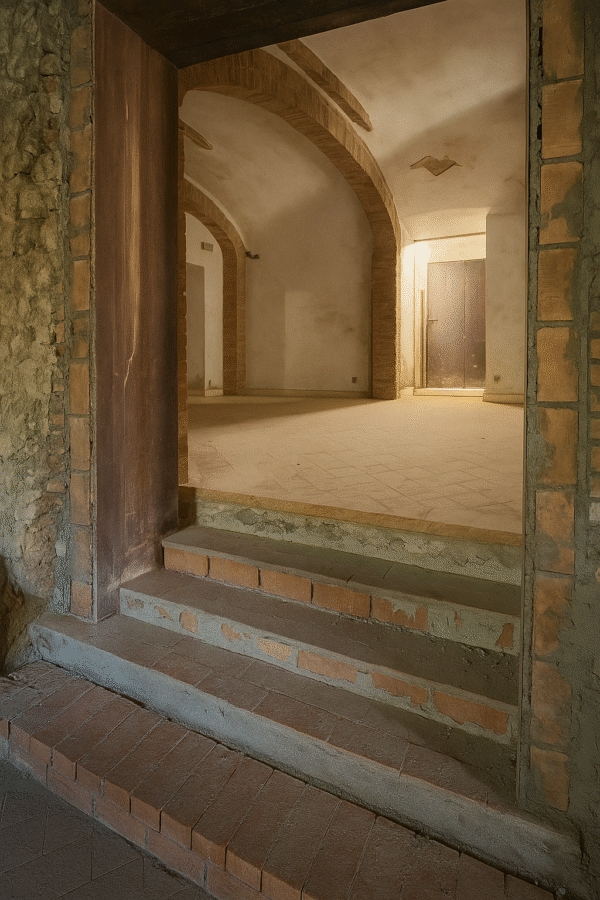
Key elements of operational control

1. Executive planning
  • Control is based on a detailed schedule of activities, defining sequences, times, and resources.
  • Each task is linked to intermediate milestones and performance indicators.
  • Control of correct execution according to project documents.
  • Use of checklists and quality protocols to monitor materials, tasks, and installations.
  • Supervision of the availability of labor, machinery, and materials according to operational needs.
  • Prevention of slowdowns due to logistical shortages or late supplies.
  • Real-time control of expenses incurred against the budget.
  • Identification of deviations and activation of corrective measures.
  • Application of the PSC (Safety and Coordination Plan).
  • Control of the correct adoption of personal and collective protective equipment (PPE).

Operational control methodologies

1. Direct supervision on site
  • Constant presence of technicians and site managers for daily verification of activities.
  • Preparation of daily reports and site inspection minutes.
  • Use of methodologies such as CPM (Critical Path Method) and Earned Value Management to correlate time and costs.
  • Implementation of KPI (Key Performance Indicator) to assess the progress of activities.
  • Application of BIM 4D and 5D platforms to simulate and monitor work progress.
  • Use of drones and laser scanners for rapid surveys and comparisons between digital model and built reality.
  • Tests and on-site trials on materials and components.
  • Certification of work according to UNI, EN, and ISO standards.
  • Production of periodic reports with analysis of progress, critical issues, and corrective actions.
  • Digital archiving to ensure transparency and accountability.

Technological tools in support

  • BIM integrated with site platforms: allows linking executive models with the actual state of work.
  • Digital Twin: dynamic digital replica to monitor operations and performance.
  • Management software: MS Project, Primavera P6, Synchro for planning and monitoring.
  • IoT sensors: real-time monitoring of environmental conditions, vibrations, energy consumption.
  • Augmented Reality (AR): immediate comparison between project and construction during inspections.

Benefits of site operations control

1. Time efficiency
  • Reduction of delays thanks to timely management of activities.
  • Optimization of operational sequences.
  • Prevention of extra costs due to errors or unplanned changes.
  • Greater accuracy in financial forecasts.
  • Execution in compliance with project specifications.
  • Fewer discrepancies found during testing.
  • Reduction of accidents thanks to constant monitoring of operating conditions.
  • Better resource management and reduction of material and energy waste.

Challenges and issues

  • Organizational complexity: coordinating different companies and heterogeneous logistical flows.
  • Real-time updating: need for integrated platforms for constant monitoring.
  • Resistance to change: difficulty in adopting digital tools by some operators.
  • Management of changes: frequent design modifications impacting operations.

Integration with the construction cycle

Operational control accompanies all phases of the project:
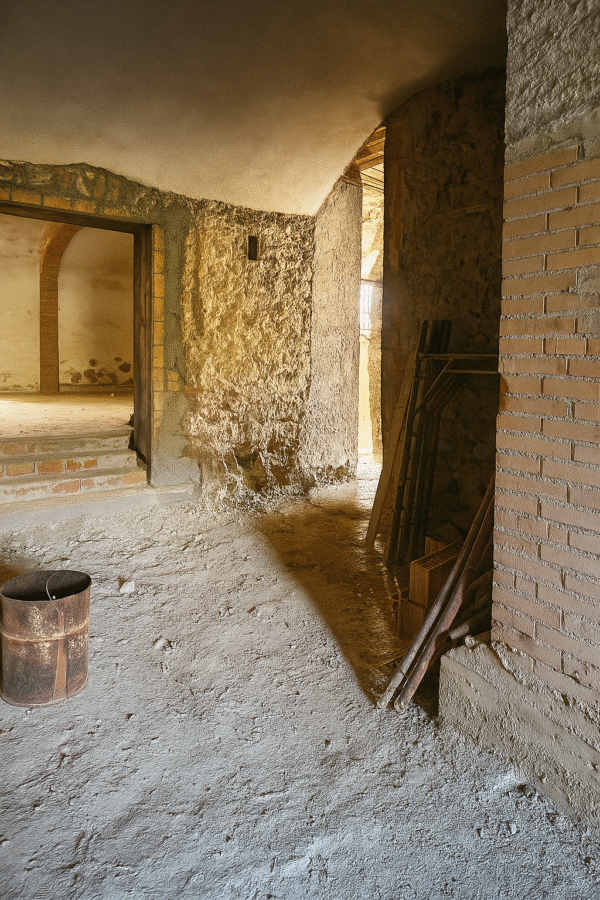
  • Start of work: validation of supply plans and operational sequences.
  • Work progress: daily monitoring and schedule updating.
  • Testing and delivery: verification of final compliance with the executive project.
  • Post-construction: use of collected data to support maintenance and building management.

The control of site operations is a strategic function that allows transforming the executive project into a real work, respecting time, costs, and quality. Through advanced methodologies and digital technologies, it is possible to ensure efficiency, safety, and sustainability, reducing risks and increasing transparency.

In a sector increasingly oriented towards precision and accountability, investing in structured operational control means not only supervising but proactively managing the construction process, ensuring that each phase contributes to the overall success of the project.

Segui i nostri profili social
Privacy Overview

This website uses cookies so that we can provide you with the best user experience possible. Cookie information is stored in your browser and performs functions such as recognising you when you return to our website and helping our team to understand which sections of the website you find most interesting and useful.