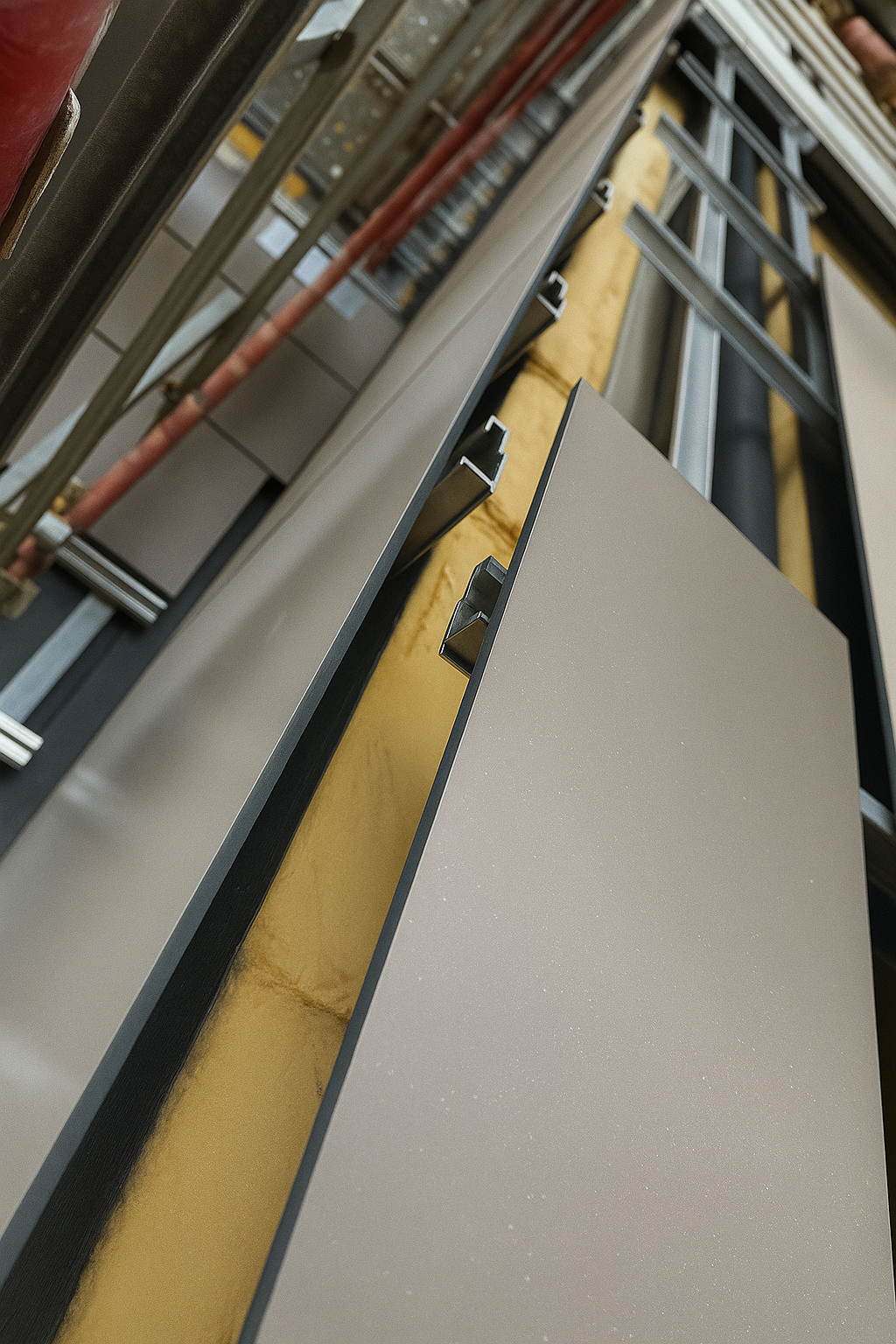
Single management of the construction phase of the work

An integrated model for technical, operational, and managerial coordination

In the contemporary construction landscape, characterized by increasing technical complexity, a multitude of involved parties, and ever-tightening constraints in terms of time, cost, and quality, the single management of the construction phase represents a strategic approach. Centralizing the responsibility for coordinating construction activities, suppliers, and subcontractors not only optimizes processes but also reduces risks, ensures transparency, and creates a coherent and controlled operational flow.

This organizational model fits within the framework of the general contractor, where a single entity assumes the role of the main point of reference for the client and the entire production chain. The uniqueness of management allows for harmonizing the construction phase with the design phase, translating the executive project into the construction site through advanced planning tools, quality control protocols, and project management methodologies.
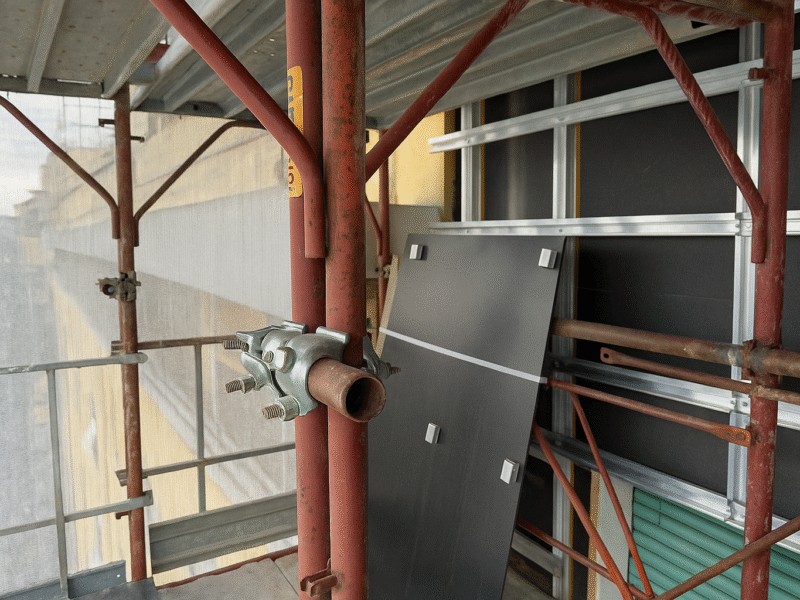
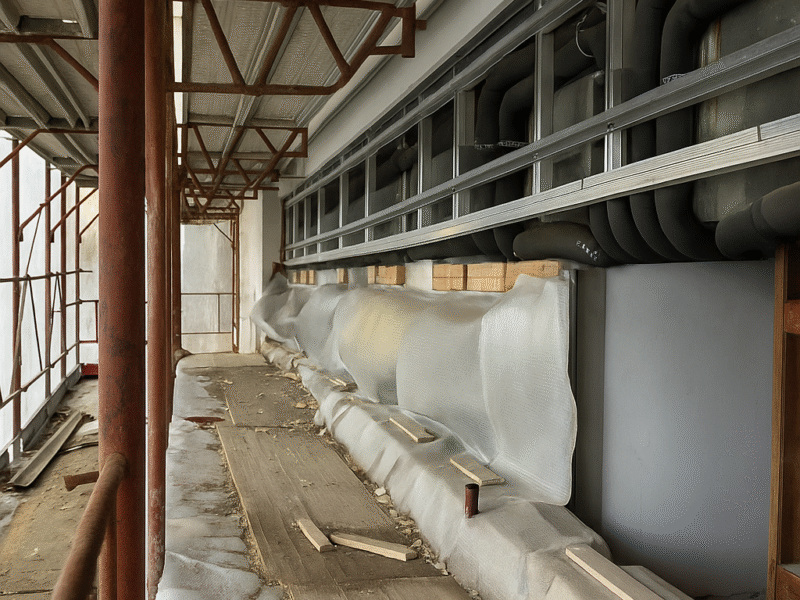
Characteristics of single management

  1. Centralization of responsibilities
    • A single point of contact manages the process, eliminating fragmentation and decision-making conflicts.
    • The client interfaces with only one interlocutor, simplifying communications.
  2. Integrated coordination
    • Synergy between executing companies, subcontractors, and suppliers.
    • Reduction of operational interferences through sequential and parallel scheduling of activities.
  3. Resource optimization
    • Rational allocation of labor, machinery, and materials.
    • Minimization of waste and overlaps.
  4. Real-time control
    • Constant monitoring of time, costs, and quality.
    • Implementation of advanced digital reporting and tracking systems.

Operational tools of single management

1. Integrated planning
  • Use of detailed schedules based on WBS (Work Breakdown Structure) and CPM (Critical Path Method).
  • Integration with 4D BIM models for simulation of temporal sequences.
  • Clear definition of operational priorities.
  • Periodic coordination meetings with companies and subcontractors.
  • Management of interferences through clash detection systems.
  • Application of QC (Quality Control) and QA (Quality Assurance) procedures.
  • Intermediate tests and trials to ensure regulatory and project compliance.
  • Certification of materials and workmanship according to UNI, EN, and ISO standards.
  • Implementation of Earned Value Management (EVM) methodologies to correlate time, costs, and work progress.
  • Control of progress states (SAL) and payment flows.
  • Coordination of measures provided in safety plans (PSC).
  • Daily control of operating conditions and staff training.

Supporting technologies

  • BIM (Building Information Modeling): multidisciplinary digital platform to integrate design and construction.
  • Digital Twin: virtual replica of the work allowing dynamic simulations and monitoring.
  • Project management software: Primavera P6, MS Project, Synchro for planning and control.
  • IoT and construction site sensors: real-time detection of environmental parameters and work progress.
  • Drones and laser scanners: rapid surveys to verify compliance of work with the project.

Benefits of single management of the construction phase

1. Time efficiency
  • Reduction of delays thanks to a centralized view of activities.
  • Greater ability to react to unforeseen events and changes.
  • Accurate forecasting and dynamic management of economic resources.
  • Lower risk of unplanned extra costs.
  • Uniformity of work through shared protocols.
  • Better compliance with performance requirements.
  • Constant monitoring of operational criticalities.
  • Lower probability of contractual disputes.
  • Rational resource management reduces environmental impact.
  • Greater attention to worker safety and overall site well-being.

Criticalities and challenges

  • Managerial complexity: centralized coordination requires high cross-disciplinary skills.
  • Dependence on a single entity: any inefficiencies can affect the entire process.
  • Cultural resistance: difficulty in adopting digital and collaborative methodologies by some companies.
  • Continuous updating: single management must adapt to constantly evolving regulations, technologies, and methodologies.

Integration with the construction cycle

Single management of the construction phase is not limited to construction but integrates throughout the entire project lifecycle:
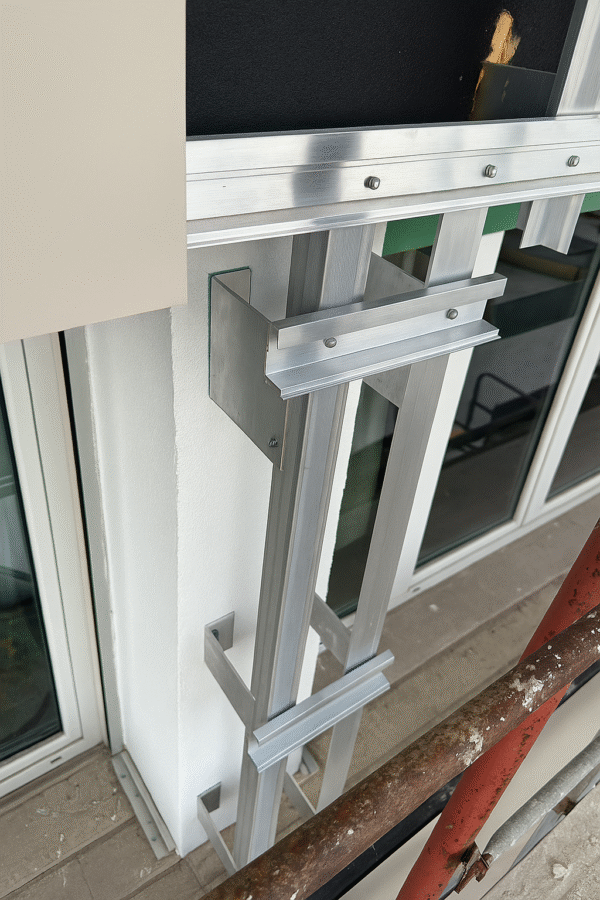
  • Design: connection between designers and companies to ensure feasibility and consistency.
  • Execution: application of coordination, control, and monitoring methodologies.
  • Testing: validation of executive compliance and performance.
  • Post-construction management: transfer of information to facility management for scheduled maintenance.

The single management of the construction phase is an organizational model capable of ensuring efficiency, quality, and sustainability in complex construction projects. Through the centralization of responsibilities, the use of digital tools, and the adoption of advanced project management methodologies, it is possible to reduce risks, improve transparency, and maximize the value generated by the entire construction process.

In a sector where punctuality, precision, and safety are decisive factors, single management becomes the key to transforming the complexity of the construction site into an orderly, traceable, and results-oriented process.

Segui i nostri profili social
Privacy Overview

This website uses cookies so that we can provide you with the best user experience possible. Cookie information is stored in your browser and performs functions such as recognising you when you return to our website and helping our team to understand which sections of the website you find most interesting and useful.