
In the construction sector, the increasing complexity of projects and the multitude of involved parties make the coordination of individual tasks an essential activity for the success of a project. It is not just about scheduling times and execution methods, but about harmoniously integrating the interventions of different specializations, reducing interferences, optimizing resources, and ensuring final quality.
In an organizational model based on the general contractor, the coordination of tasks is the core of site management: every activity—structural, architectural, plant, or finishing—must be inserted into a logical and controlled sequence, capable of ensuring continuity, efficiency, and regulatory compliance. A lack of coordination can indeed generate delays, unforeseen changes, additional costs, and, in the most severe cases, compromises in safety and overall quality.
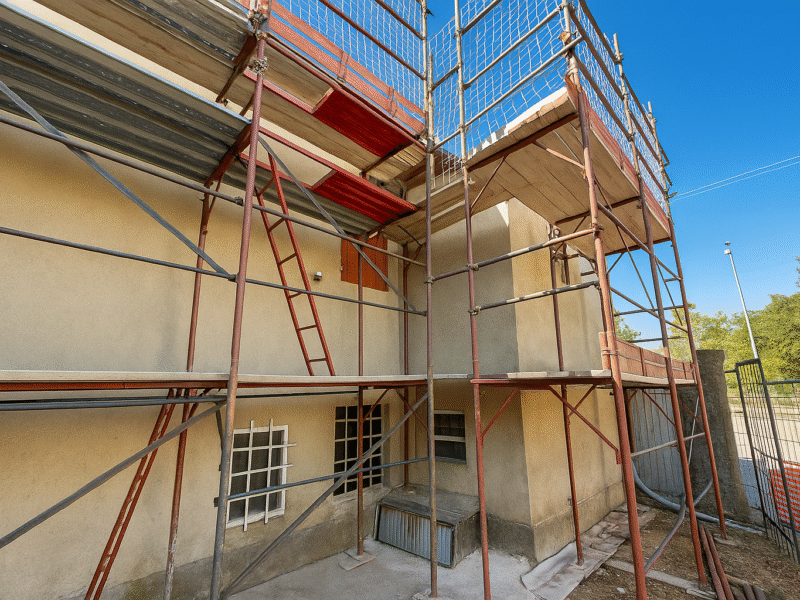

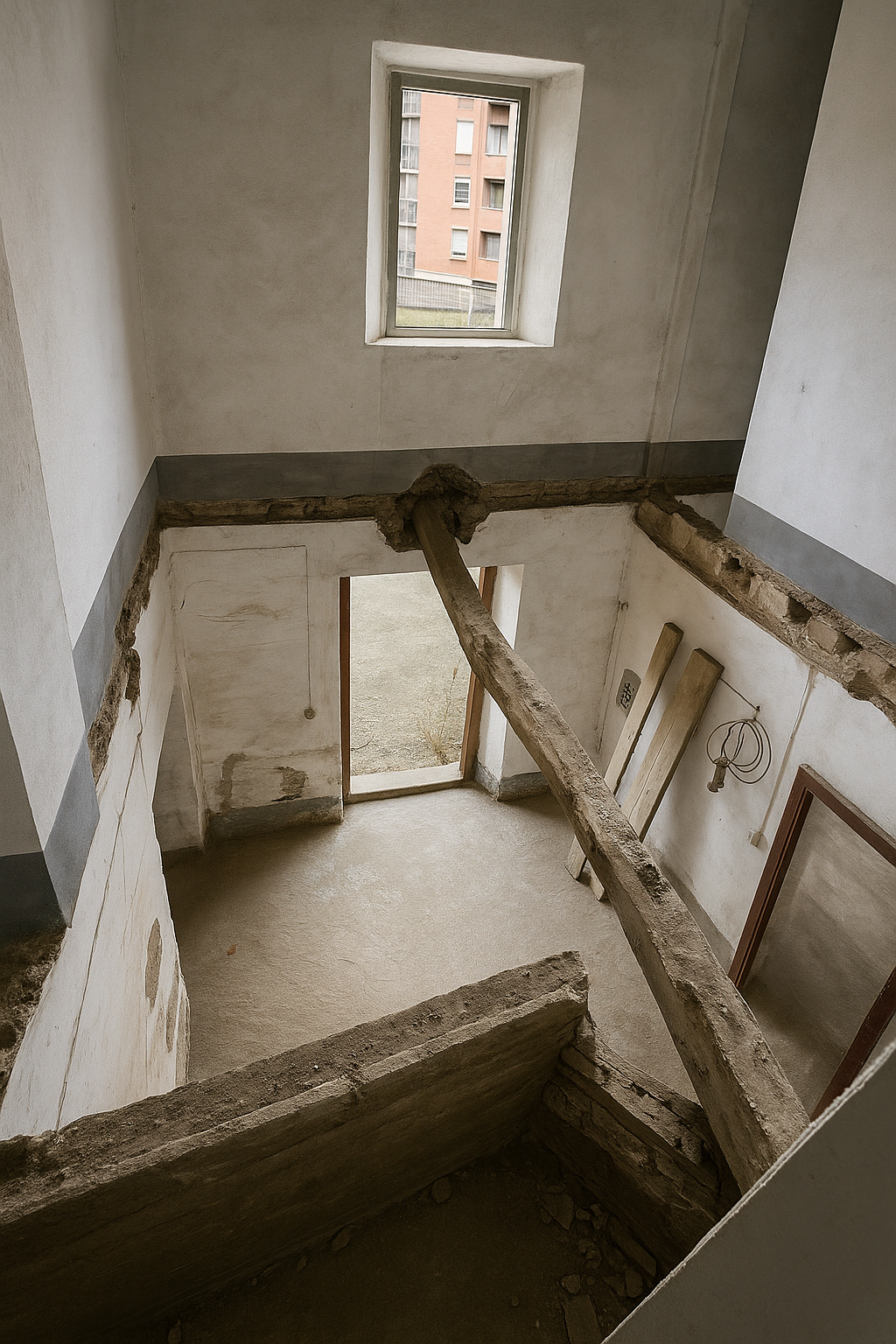
The coordination of individual tasks accompanies the entire construction process:
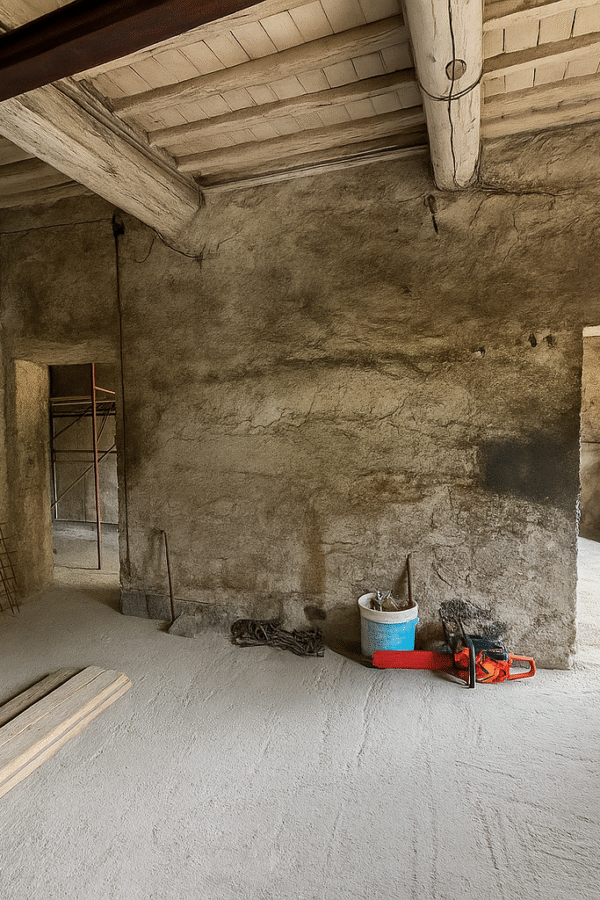

The coordination of individual tasks is the engine that allows a project to be transformed into a built reality, ensuring order, efficiency, and quality. Through structured methodologies, digital tools, and a collaborative approach, it is possible to reduce risks, optimize resources, and meet time, cost, and performance objectives.
In a context of increasing complexity and multidisciplinarity, coordination is not just a management activity, but a true technical and organizational strategy that ensures the success of the construction project.