
Structural and seismic design represents one of the most significant and delicate aspects of any construction project. It not only ensures the strength and stability of buildings but also guarantees user safety, building durability, and its ability to withstand extreme events such as earthquakes. In a country like Italy, characterized by high seismic activity in many areas, proper seismic design is essential for risk prevention and the protection of the building and infrastructure heritage.
The synergy between structural and seismic design allows for buildings that not only comply with current regulations but also provide superior performance throughout their lifecycle. The modern approach is based on advanced calculation tools, innovative materials, and dynamic analysis methodologies, always aiming to combine safety, efficiency, and sustainability.



Moreover, structural and seismic design is governed by national and international standards that establish criteria, calculation methods, and minimum requirements:
Structural and seismic design must be fully coordinated:
A collaborative and interdisciplinary approach reduces the risk of variations and ensures a more efficient construction process.
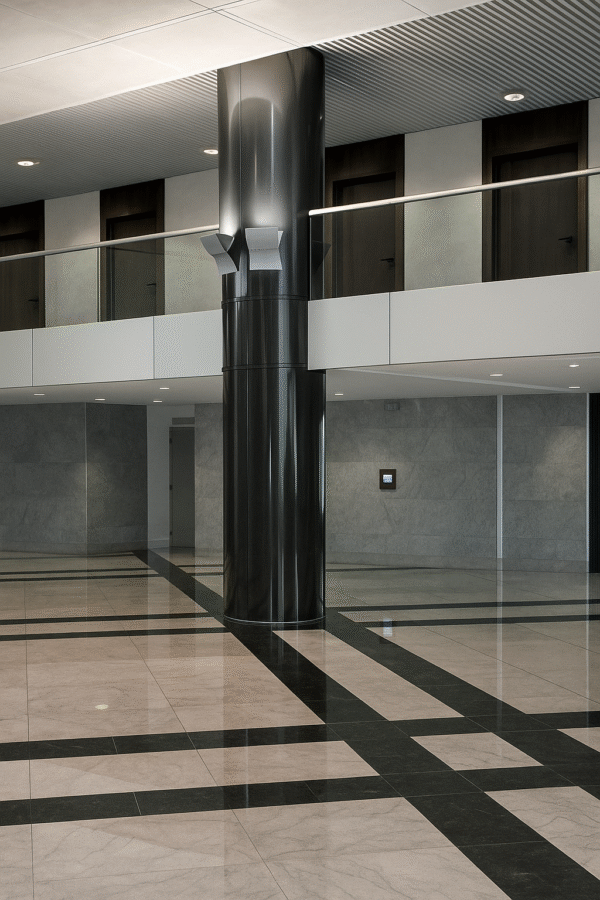

Structural and seismic design is a fundamental pillar of modern construction. It requires specialized skills, advanced tools, and an integrated approach to ensure safe, resilient, and sustainable buildings.
A well-defined structural project not only complies with current regulations but becomes an investment in the future: it reduces risks for the community, limits maintenance costs, and enhances the value of the work over time.
Ultimately, the quality of a building or infrastructure largely depends on the solidity of its engineering foundations: only accurate structural and seismic design can guarantee safety, durability, and lasting value.