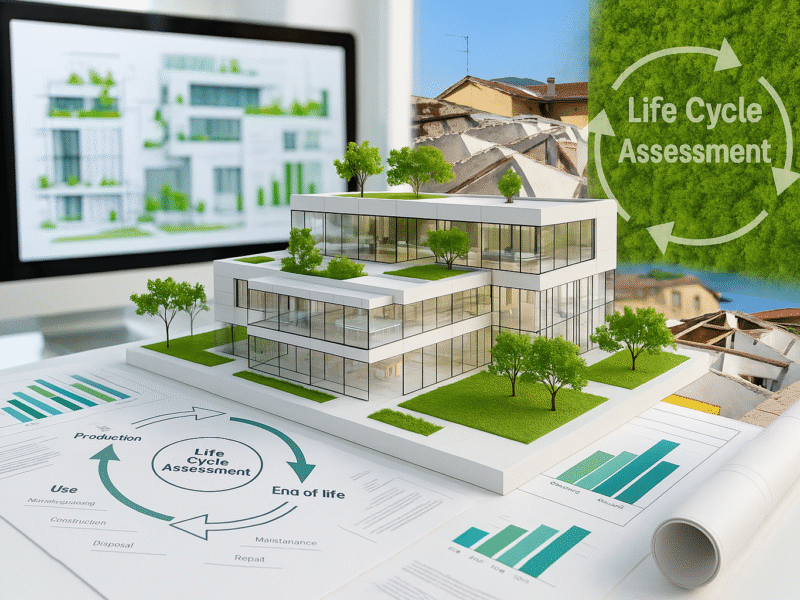
Sustainability consulting

Designing the Future: Sustainability as a Technical and Managerial Lever

Climate change and increasing regulatory pressure have transformed the construction sector into one of the most strategic fields for ecological transition. Buildings, responsible for high energy consumption and a significant share of global CO₂ emissions, now require new and integrated approaches to reduce their environmental impact throughout their entire lifecycle. In this context, sustainability consulting plays a crucial role: it is not an ancillary activity, but a specialized technical expertise that guides design, management, and operational choices towards goals of efficiency, resilience, and compliance with environmental standards.

Qualified consulting allows for the integration of economic, regulatory, and performance needs with eco-compatibility principles, providing concrete tools to design, construct, and manage buildings in line with sustainability criteria.
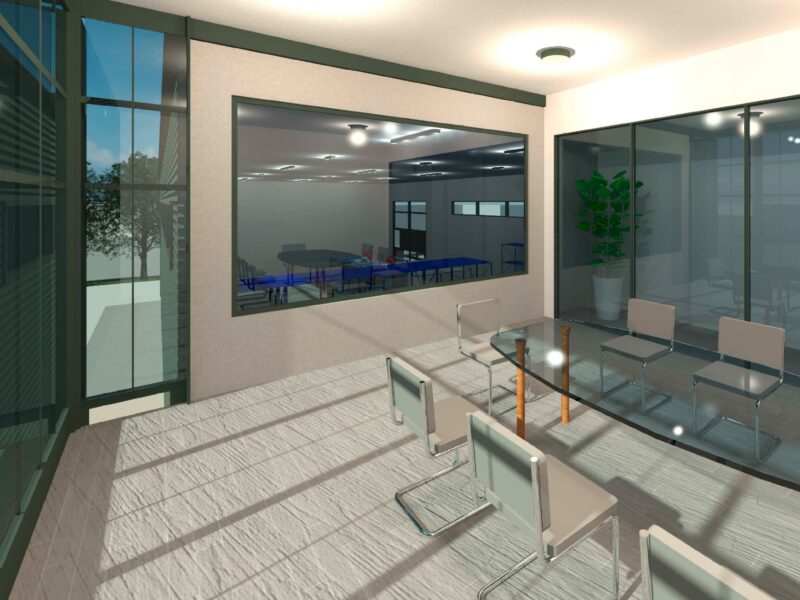
Consulting Methodologies and Tools

Sustainability consulting utilizes established methodologies and advanced digital tools, including:

  • Building Information Modeling (BIM 6D): allows for the integration of energy and environmental data into building modeling.
  • Dynamic energy simulations: to analyze consumption under real operating conditions.
  • LCA and LCC software: that develop comparative scenarios and support investment decisions.
  • Environmental performance indicators (KPI): such as non-renewable primary energy, equivalent CO₂ emissions, water footprint.
  • Digital twin: real-time updated virtual models to monitor environmental performance during management.

Areas of Intervention in Sustainability Consulting

A cost-benefit analysis is structured in multiple phases, each contributing to building a solid and reliable overall picture.
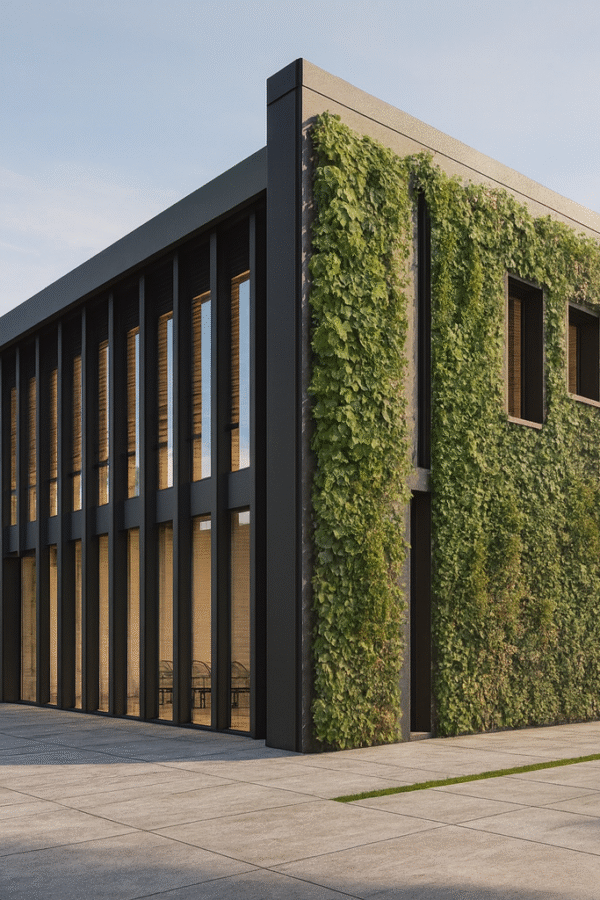
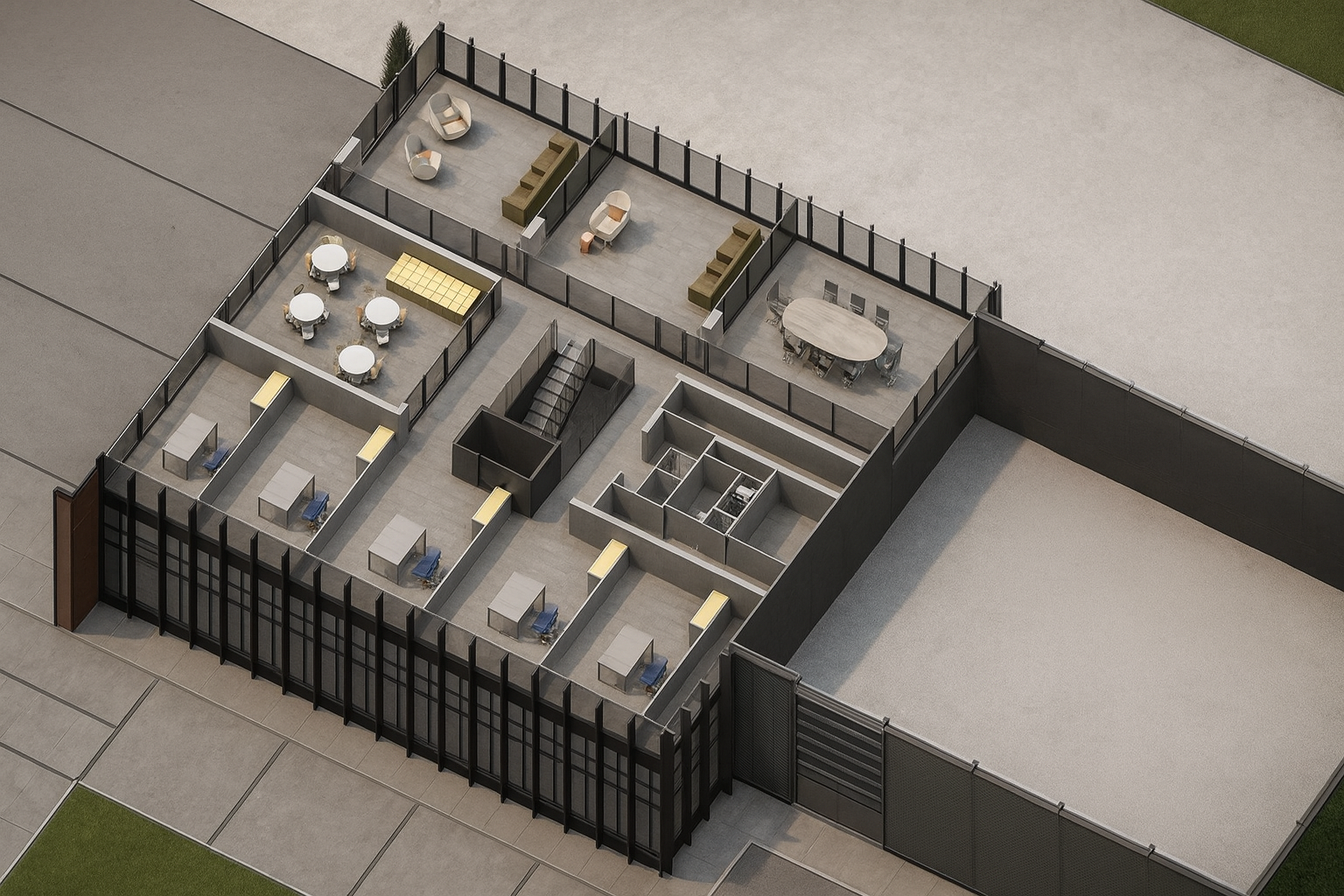
1. Life Cycle Assessment (LCA)
  • Assessment of the environmental impacts of a building, from material production to demolition.
  • Measurement of parameters such as CO₂ emissions, primary energy consumption, water resource use, and waste production.
  • Identification of the most impactful phases to develop reduction strategies.
  • Support in defining high-efficiency architectural and plant solutions.
  • Optimization of the building envelope with passive systems and eco-compatible materials.
  • Integration of renewable energies and smart technologies.
  • Analysis of total costs over the lifecycle, including management, maintenance, and disposal.
  • Identification of solutions that reduce operational costs, even with higher initial investments.
  • Assistance in complying with national and European regulations on energy efficiency, emissions, and environmental safety.
  • Support in obtaining environmental certifications such as LEED, BREEAM, WELL, or ITACA Protocol, which represent added value in the market.
  • Development of plans to reduce the carbon footprint of buildings through design choices, low-impact materials, and system optimization.
  • Calculation of the carbon footprint and monitoring progress against targets.
  • Solutions for the reuse of greywater and the recovery of rainwater.
  • Plans for recycling construction materials and reducing construction site waste.

Benefits for the Construction Sector

A structured sustainability consulting service brings significant technical, economic, and social benefits:

  1. Operational efficiency: reduction of energy and water consumption, resulting in lower management costs.
  2. Regulatory compliance: prevention of penalties and proactive adaptation to European climate neutrality standards.
  3. Market value: certified buildings or those with high environmental performance have greater attractiveness and valuation.
  4. Risk reduction: preventive analyses allow for anticipating environmental and management issues.
  5. Reputation and social responsibility: demonstration of commitment to ESG (Environmental, Social, Governance) goals.

Interdisciplinarity and Integrated Approach

Sustainability consulting cannot be confined to a single discipline but must arise from the synergy of diverse skills: engineering, architectural, economic, and environmental. Only an integrated approach allows for balancing performance aspects, investment costs, economic returns, and environmental benefits.

The involvement of stakeholders is also crucial: clients, public entities, local communities, and end-users must be included in the decision-making process to ensure that the proposed solutions are truly effective and shared.

Sustainability consulting produces effects that go beyond a single building project:
  • Reduction of emissions on an urban scale, contributing to climate neutrality goals.
  • Regeneration of existing assets, through energy retrofit interventions.
  • Increase in urban resilience, thanks to buildings capable of better responding to extreme weather events.
  • Technological and process innovation, stimulated by the adoption of advanced solutions.

Sustainability consulting is now an essential element for the construction sector. Thanks to advanced analytical tools, interdisciplinary methodologies, and specialized expertise, it enables the transformation of projects into resilient, efficient solutions consistent with global decarbonization goals.

It is not merely a support service but a true strategic factor that accompanies the project from the preliminary phase to operational management. Investing in sustainability consulting means not only building low-impact buildings but also generating lasting value for the community, improving market competitiveness, and contributing concretely to the ecological transition.

Segui i nostri profili social
Privacy Overview

This website uses cookies so that we can provide you with the best user experience possible. Cookie information is stored in your browser and performs functions such as recognising you when you return to our website and helping our team to understand which sections of the website you find most interesting and useful.