The interventions aim to improve the safety, comfort, and energy performance of the building while respecting its historical and architectural value. Each solution has been chosen to ensure long-term efficiency and compliance with current regulations.
Main interventions:
- Facade adjustment:
The condition of the facades is moderately preserved, with deteriorated plaster and paint. The intervention involves uniform plastering and painting, without external insulation, utilizing the thickness of the walls to reduce thermal dispersion. The main objectives are safety, protection from weather damage, and aesthetic improvement of the building. - Replacement of fixtures:
The current fixtures, made of wood with single glazing, show significant thermal and acoustic deficiencies and poor weather resistance. The intervention, approved by the Superintendence, involves replacing them with laminated wood frames and, where required, metal elements, maintaining stylistic coherence with the building. Advanced energy performance will be applied to reduce consumption. Overall, 2,400 m² of fixtures will be replaced, equivalent to 10% of the building’s dispersing surface. - Installation of refrigeration units:
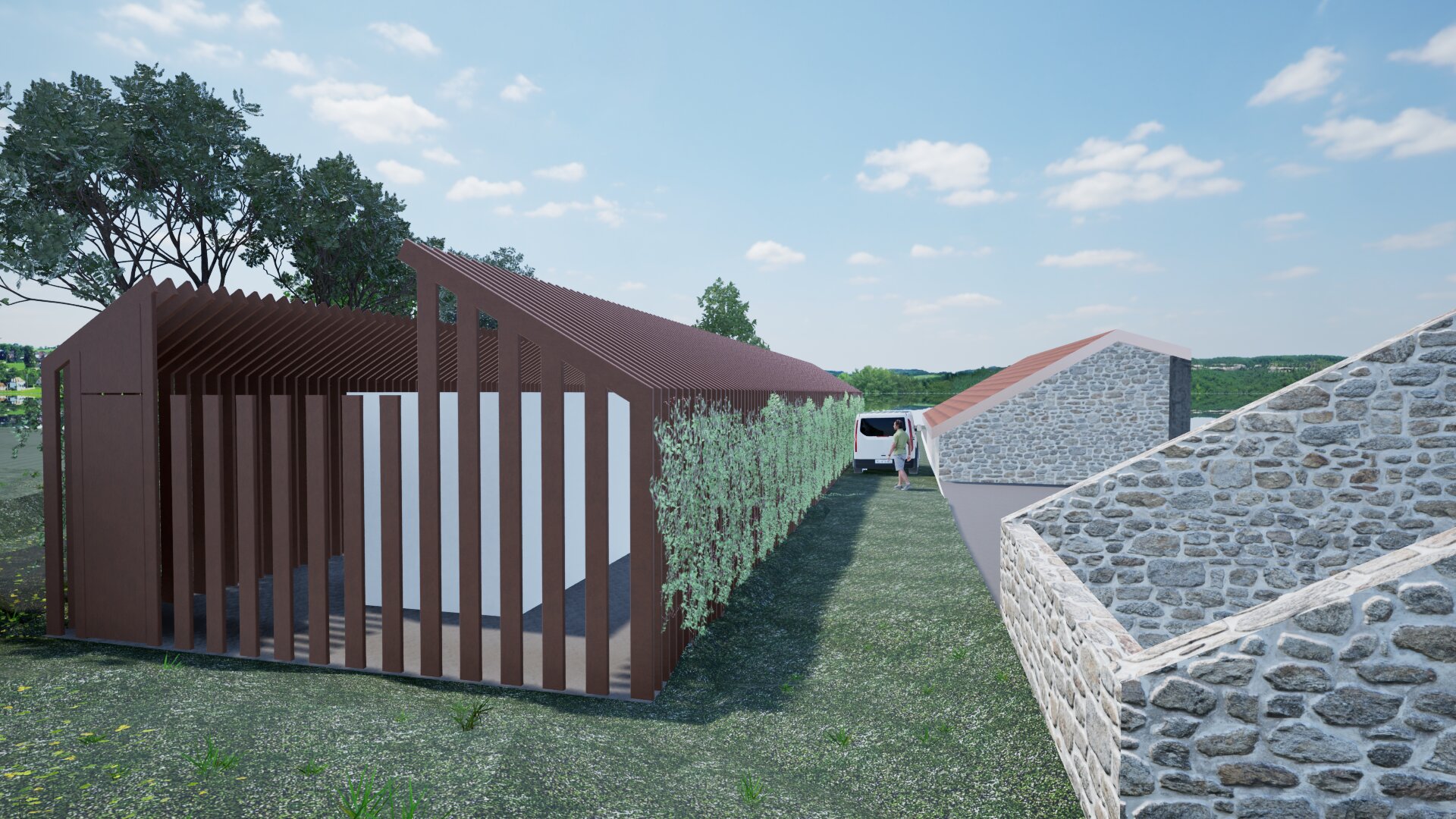
The existing thermal system is prepared for cooling but requires a refrigeration plant. After ruling out underground installation due to technical and maintenance issues, an above-ground solution was chosen, with two twin machines of 900 kW each, for a total power of 1,800 kW. The plant will be positioned on a rear platform, with an integrated circuit from a 6,000-liter tank and inverter pumps to maintain constant pressure.
Services awarded:
- Preliminary design
- Executive design of architectural works
- Executive design of systems
- Safety coordination
Amount of works
€4,219,000
Work Duration
2024 / ongoing