
In project management, context analysis is an essential phase for the correct setup and coherent development of any complex initiative. Even before defining objectives and operational planning, it is necessary to understand and methodically evaluate the environment in which the project will be placed. This analysis is not limited to a descriptive examination but serves as a strategic tool that allows anticipating challenges, exploiting opportunities, optimizing resources, and ensuring integration between technical, regulatory, economic, environmental, and social needs.
A project, to be truly sustainable and coherent with its context, cannot overlook this preliminary phase. Context analysis is what allows transforming an abstract vision into a concrete plan, capable of interacting with real conditions and adapting to constraints and possibilities imposed by the territory, regulations, and stakeholders.

Context analysis in integrated project management develops across multiple dimensions, which must be evaluated in a coordinated and systematic manner
The verification of urban planning, building, environmental, safety, and landscape regulations is an essential step. Every project fits into a framework of legislative and regulatory constraints that affect its configuration and feasibility. The regulatory analysis must include:
Every intervention is set in a territory with specific geomorphological, climatic, environmental, and infrastructural characteristics. The analysis must consider:
This dimension is particularly relevant in projects involving new constructions, urban transformations, or large-scale infrastructure works.
A project generates effects that impact the reference community. The socio-economic analysis allows evaluating:
Understanding socio-economic dynamics is essential to build consensus and legitimacy around the intervention.
It is necessary to verify the level of provision and the quality of existing infrastructures: water, sewage, electrical, telecommunications, and transport networks. The integration of the project with these infrastructures can represent both a constraint and an opportunity for enhancement.
Context analysis uses established tools and methodologies:

Effective context analysis cannot be conducted in a sectoral manner. It requires the contribution of interdisciplinary skills: urban planners, engineers, architects, economists, environmental and legal experts. The integrated approach allows cross-referencing data and perspectives, providing a comprehensive view that reduces the risk of overlooking critical aspects.
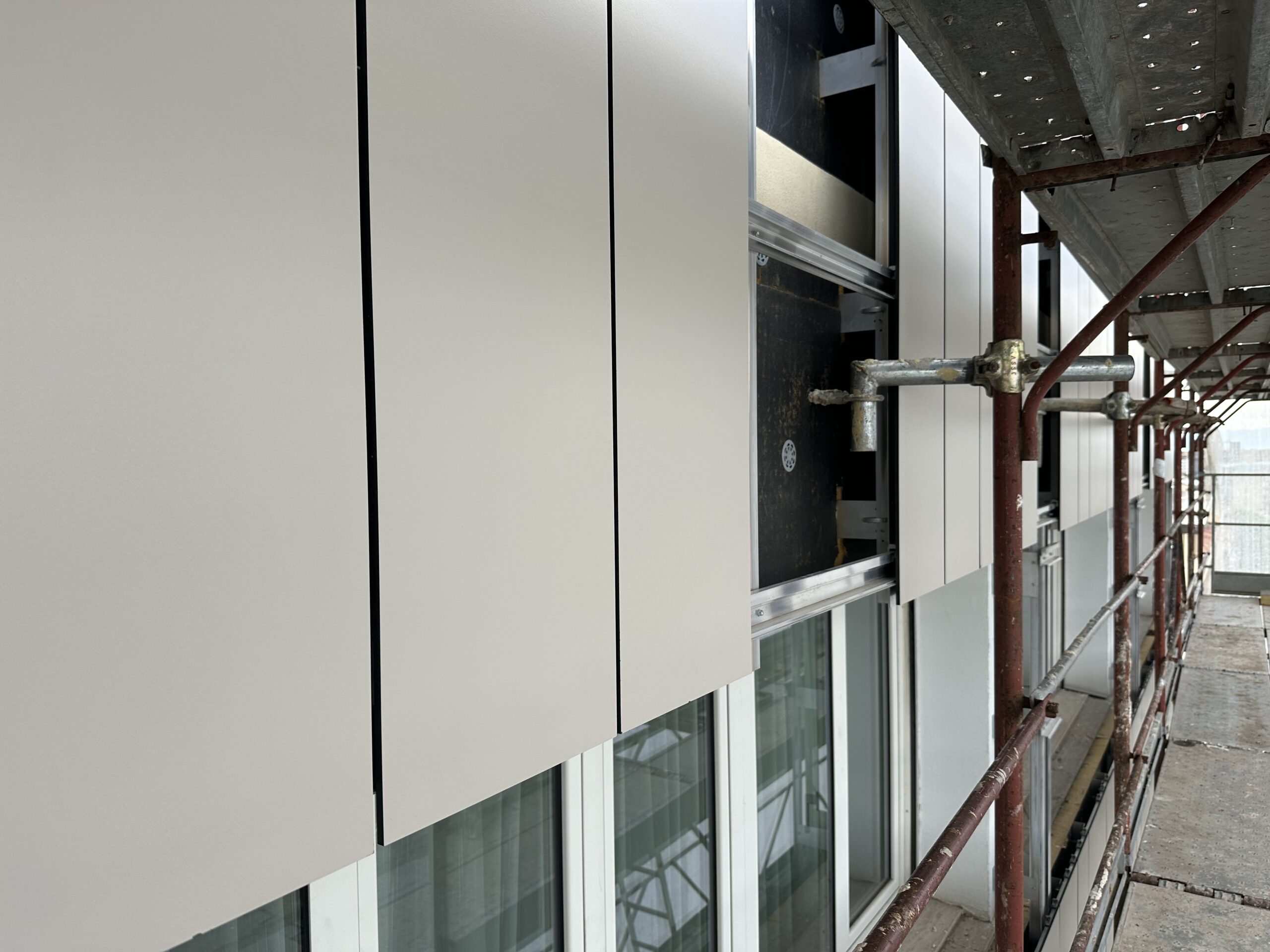
The results of context analysis have direct impacts on all subsequent phases:


The context is not static: regulations change, socio-economic conditions evolve, territories transform. For this reason, the analysis cannot be exhausted in the preliminary phase but must be updated throughout the project lifecycle. Continuous monitoring systems allow timely detection of significant changes and adaptation of strategies and objectives.
Context analysis constitutes the methodological and operational foundation of any complex project. It is the tool that allows aligning strategic ambitions with real conditions, ensuring coherence, sustainability, and feasibility.
Neglecting this phase means exposing the project to high risks, unforeseen changes, conflicts with stakeholders, and implementation difficulties. Conversely, thorough and multidisciplinary context analysis allows anticipating challenges, enhancing the potential of the territory, and creating the conditions for an efficient and shared project path.
Ultimately, context analysis is not an accessory step but the element that guides the project’s direction, strengthens its sustainability, and significantly increases its chances of success.