

Several fundamental steps were necessary to establish the Spirulina Becagli plant. First, a feasibility study was conducted to choose the optimal location based on climatic conditions and water resources. Subsequently, the entire structure was designed, including the layout of the greenhouses, cultivation tanks, and filtration systems.
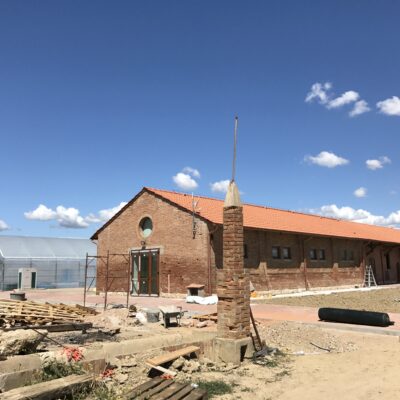


The land was prepared and leveled, and the foundations for the main infrastructures were built. The greenhouses were then assembled with metal structures and transparent coverings, along with ventilation and temperature control systems to maintain an optimal environment.
The cultivation tanks were constructed with suitable materials, complete with agitation systems to keep the spirulina in suspension. A water filtration system was installed to ensure the water quality necessary for cultivation.

To nourish the spirulina, specific nutrients were prepared and distributed, while sensors constantly monitored parameters such as pH and temperature. The harvesting process was automated with filters and centrifuges, followed by drying and packaging of the product.
The plant was equipped with automation systems to manage various processes, supported by management software for efficient control. Personnel were trained to operate correctly, and standard procedures were established to ensure quality.

Finally, initial tests were conducted and production was started, with continuous monitoring to optimize conditions and ensure the plant’s proper functioning. These steps allowed for the creation of an efficient production system for spirulina cultivation.
